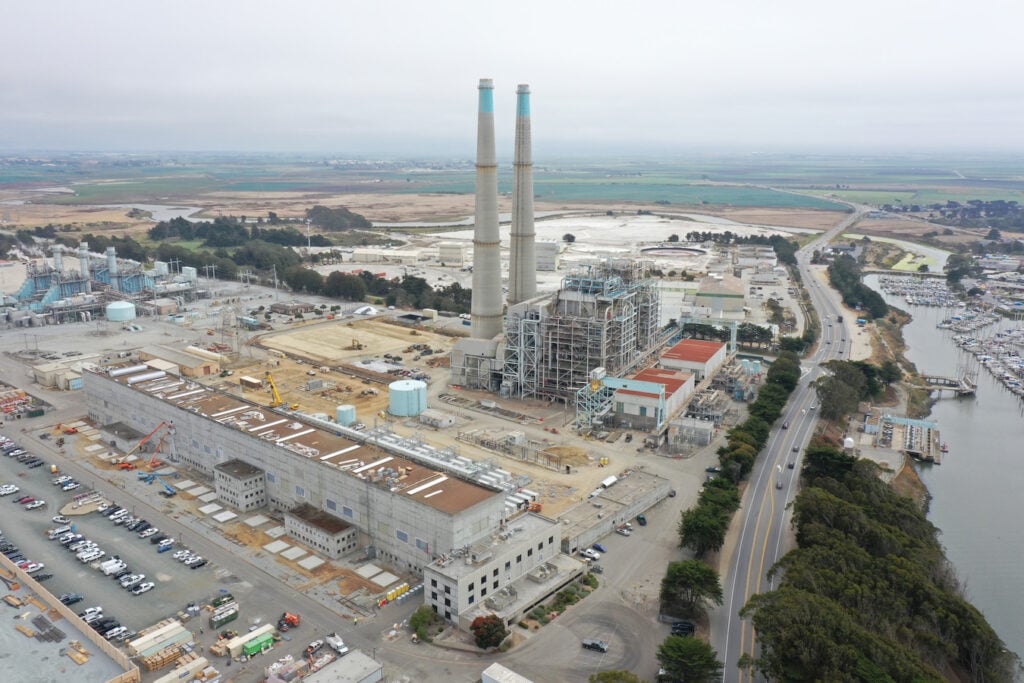
Plans to nearly double the output and capacity of the world’s biggest battery energy storage system (BESS) project to date have been announced by its owner, Vistra Energy.
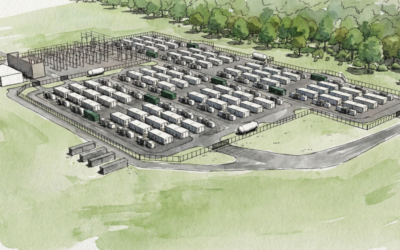
The Texas-headquartered integrated utility and power generation company said it wants to add another 350MW/1,400MWh BESS to the Moss Landing Energy Storage Facility in California’s Monterey Bay.
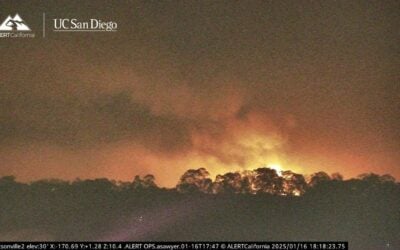
The existing facility is 400MW/1,600MWh and was brought online in two phases, with the most recent 100MW/400MWh Phase II commissioned in August 2021. Phase I’s 300MW/1,200MWh of batteries went online at the end of 2020, although in September they were temporarily taken offline after overheating in some battery modules had been detected. Phase II remained operational at that time.
Vistra has worked with battery module and rack provider LG Energy Solution, engineering, procurement and construction (EPC) partner Burns & McDonnell and system integrator Fluence among its contractors on the project so far.
Try Premium for just $1
- Full premium access for the first month at only $1
- Converts to an annual rate after 30 days unless cancelled
- Cancel anytime during the trial period
Premium Benefits
- Expert industry analysis and interviews
- Digital access to PV Tech Power journal
- Exclusive event discounts
Or get the full Premium subscription right away
Or continue reading this article for free
At 750MW/3,000MWh, Moss Landing would retain its crown of being the biggest in the world, although large-scale BESS project announcements are gathering in pace, not least of all in California, which is the leading US state for energy storage online and contracted to come online.
A 15-year Resource Adequacy agreement has already been signed with California investor-owned utility (IOU) Pacific Gas & Electric (PG&E) for the new capacity and submitted to the regulatory body California Public Utilities Commission (CPUC) for approval on 21 January.
A decision is expected within 180 days, Vistra said yesterday. Construction could then begin in May, for the new BESS to come online in just over a year by June 2023.
The agreement is one of nine new contracts PG&E has in place with four-hour duration energy storage projects in the state, which Energy-Storage.news has reported full details of in a separate news story today.
PG&E was ordered to procure 2,200MW of clean energy by CPUC last June, as part of a wider 11.5GW of resources which California’s load-serving entities, including IOUs, must procure and bring online by 2026 to meet the need for capacity as a number of natural gas power plants and the Diablo Canyon nuclear plant — which is an asset in PG&E’s service area — reach retirement.
Vistra said that as Moss Landing — itself built on the site of an existing gas power plant owned by Vistra subsidiary Dynegy — already has development permitting in place, and has existing grid interconnection and infrastructure, it can move quickly on the proposed Phase III.
The company has previously said that the site and its interconnection allow for it to eventually bring Moss Landing Energy Storage Facility to 1,500MW/6,000MWh, if market conditions allow it to meet demand.
Vistra CEO Curt Morgan described Moss Landing yesterday as “a shining example of the pivot of our generation fleet toward carbon-free technologies”.
Separately, PG&E itself is executing a build-own-operate BESS project, Elkhorn, at the Moss Landing site, using 182.5MW/750MWh of Tesla Megapack BESS units.
In September, Vistra Energy said that it also plans to repurpose a number of its fossil fuel plant sites in Illinois to host a mix of solar-plus-storage and standalone battery storage projects by 2025. That announcement was made after Illinois legislators approved a plan to transition the state away from its largely coal-based energy mix to clean energy. Illinois’ target date for achieving carbon-free electricity is 2045, the same as California’s.
Vistra is targeting carbon neutrality by 2050 meanwhile. Last February it unveiled plans for a 600MW BESS project in California’s Morro Bay, which the company said could come online by 2024 and further help PG&E ease through the retirement of the Diablo Canyon nuclear plant. Vistra is also expecting to bring DeCordova Energy Storage Facility, a 260MW BESS project in Texas, online before this summer to join that state’s ERCOT market.