The largest renewable tender in Hawaii’s history has chosen its winners, contracting a solar and storage pipeline that exceeds anything the US state has ever seen.
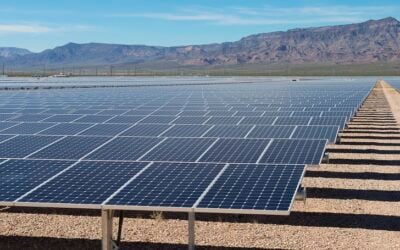
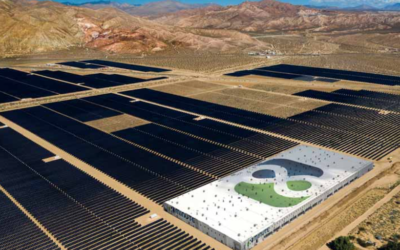
The administration of US president Donald Trump has waved through what is being described as the largest solar project ever seen in the country, a hybrid project including energy storage, in Nevada.
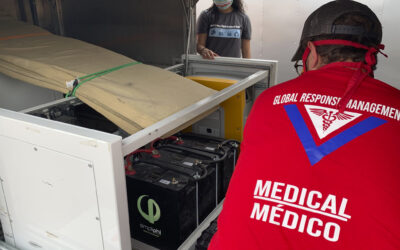
A solar-plus-storage microgrid is powering a mobile intensive care unit (ICU), set up to treat people suffering from COVID-19 symptoms at a migrant camp on the border between Texas and Mexico.
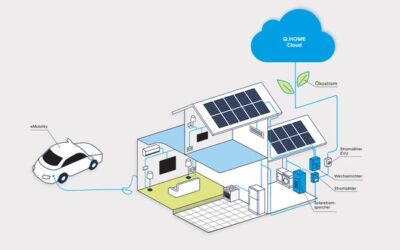
Q CELLS has officially launched a home solution that promises a “100% sustainable power supply,” through combining solar and battery storage to meet the majority of demand and a digital cloud solution to cover the rest.
Portugal plans to kickstart next month the solar tender it had postponed as the country began its campaign to contain the COVID-19 emergency, the government has confirmed.
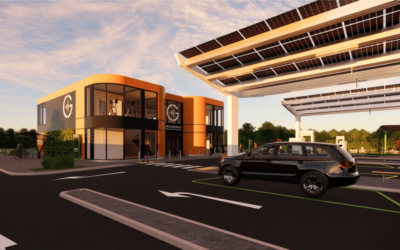
Moving from today’s gas stations to their electrified equivalent can present a challenge so “dramatic” that in some cases, microgrids may be the only viable solution, a representative of Schneider Electric has said.
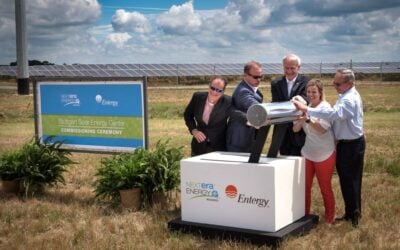
Arkansas, currently ranked 31st among US states for solar deployment, will get a solar-plus-storage plant with 100MW of photovoltaic generation and 10MW / 30MWh of battery storage after regulator Arkansas Public Service Commission approved the project.
Solar-plus-storage projects on France’s overseas territories are on course to add around 200MWh to global battery storage deployment figures, with the latest power plant just completed by independent renewable energy producer Albioma.