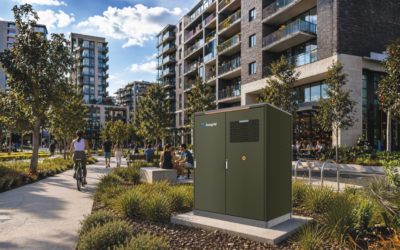
Stem Inc is developing what it claimed is the first virtual power plant (VPP) in South America, aggregating behind-the-meter (BTM) distributed energy facilities in Chile.
The California-headquartered smart energy storage hardware and software provider said this week that the project comes from a partnership it formed with Copec, an energy company focused on Central and South America in July last year.
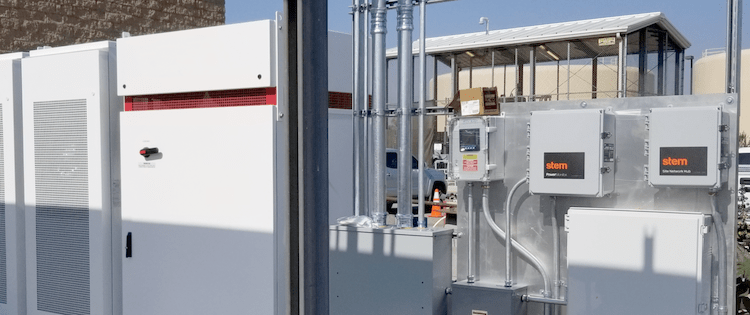
The pair recently completed a commercial and industrial (C&I) battery energy storage system (BESS) project for a Copec-owned lubricant manufacturing plant in Chile’s Valparaíso Region and have now partnered with energy supply service company Chilquinta Energía to work on the VPP project.
Stem’s Athena software drives all of its projects, including behind-the-meter C&I energy storage and front-of-meter solar-plus-storage. The software is being customised for the Chile project to integrate market data points on local utility and grid conditions, optimising a connected network of energy storage assets with artificial intelligence built into the software constantly refining its algorithms.
Try Premium for just $1
- Full premium access for the first month at only $1
- Converts to an annual rate after 30 days unless cancelled
- Cancel anytime during the trial period
Premium Benefits
- Expert industry analysis and interviews
- Digital access to PV Tech Power journal
- Exclusive event discounts
Or get the full Premium subscription right away
Or continue reading this article for free
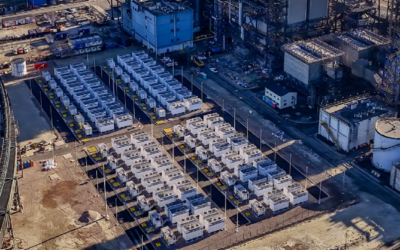
A Stem Inc representative told Energy-Storage.news that the average project size is expected to be between 0.5MWh and 2MWh of storage capacity. Initially, the entire VPP will be under 5MWh across the fleet, but — dependent on performance data — the company expects to be able to expand this capacity through working with the distribution utility.
According to the spokesperson, with the overall energy storage market in Chile expected by Copec to be in excess of 1GWh over the next 10 years, the company wants to “gain an early foothold” in order to be forefront in the minds of utilities and regulators in the country.
Stem has gone public this year, following a special purpose acquisition company (SPAC) merger which completed in April. The company started out in 2009, equipping businesses in its home state with battery storage that helped them reduce their use of electricity at peak times and to use more renewable energy.
At the same time, the company’s Athena software and asset operation teams figure out which opportunities to provide grid services are available and enrol the battery systems into them.
Now active in several US states, having also added solar-plus-storage utility projects to its portfolio and with an early presence in other territories including Japan, the company has said it expects to be able to overcome challenges to scale its business and achieve profitability by 2023. Having built up a fleet of smartly-controlled assets, Stem said it dispatched over 500MWh of energy to help utilities and the grid meet peak demand needs in North America in June this year, as regions like California struggled with heat waves.
“The energy storage market in South America represents a significant growth opportunity for Stem and our partner Copec. We are proud to have completed our first project under this partnership – positioning Copec as a smart grid participant while driving energy cost reduction and enhancing the sustainability profile of their manufacturing facilities,” Stem Inc CEO John Carrington said.
Carrington said the VPP can “demonstrate tremendous value to utilities in South America,” enabling them to leverage the capabilities of distributed energy storage systems to balance the grid and keep it stable, in the same way Stem has done in other territories.
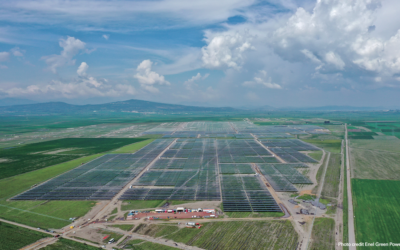
One of the sunniest places in the world, Chile has become a fast-growing solar PV market. Large-scale battery energy storage projects have begun to be announced in the past year or two as well, with most focused on hybrid resources that pair energy storage with colocated solar and wind.
Among projects in the country reported by this site recently, in July Engie Chile won development rights to 1.5GW of hybrid wind-solar-storage across two projects through a national public tender, while AES’ regional subsidiary began construction in October 2020 on a 112MW / 560MWh project, which will store power from wind and solar facilities nearby.