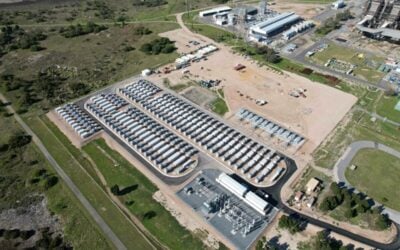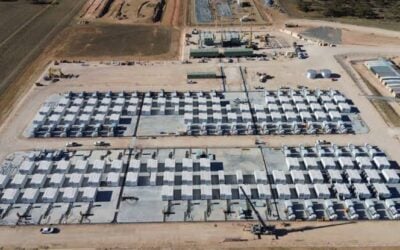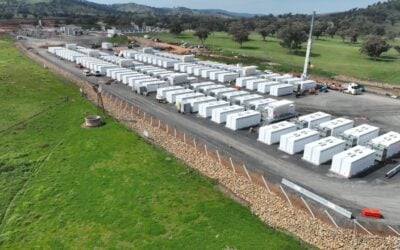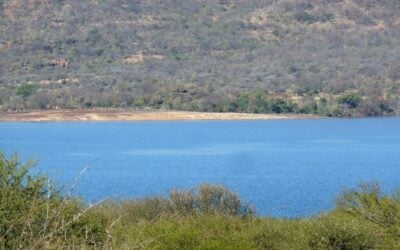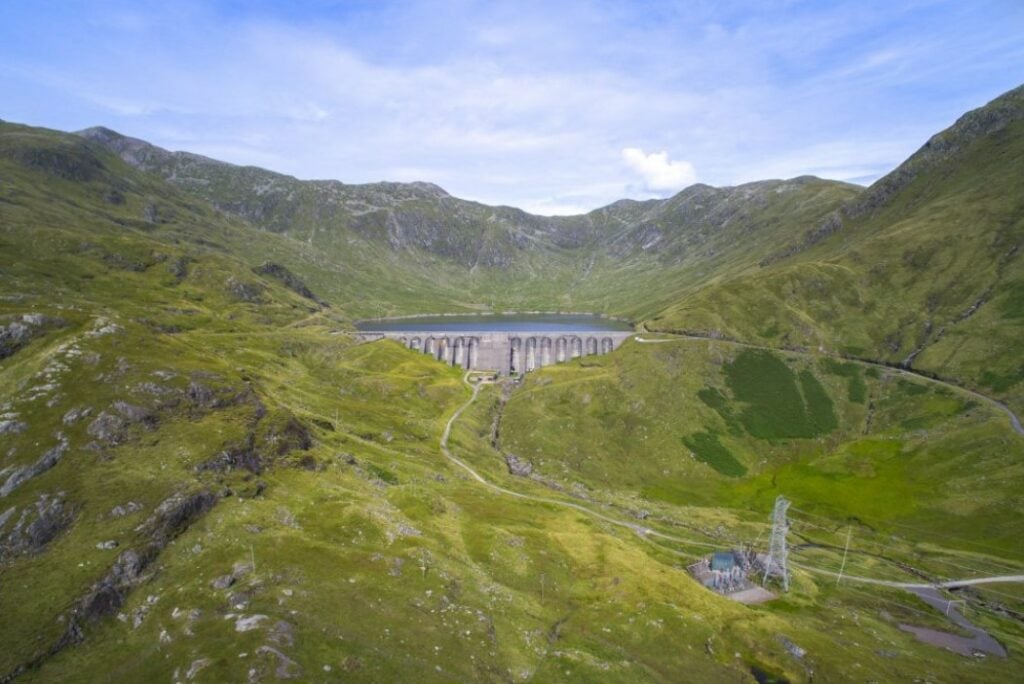
The New South Wales (NSW) government has deemed three pumped hydro energy storage (PHES) sites as “critical” given their importance to the economy.
According to a statement released by the NSW government in Australia, the projects have been designated as Critical State Significant Infrastructure (CSSI) for economic, social, and environmental reasons.
Other projects designated as CSSIs include the Pacific Highway Upgrade, the Inland Rail project, and the 2.2GW PHES power station Snowy 2.0. Our sister publication, Energy-Storage.news, reported that the NSW government granted Oven Mountain, a 600MW/7200MWh, billion-dollar energy storage project, CSSI classification in 2020.
Of the six new CSSI projects, three proposed transmission projects will connect additional renewable energy generators to the National Energy Market (NEM) to attract further investment in NSW. The other three proposed pumped hydro projects will provide reliable energy generation, capacity, and dispatchable power when solar or wind resources are unavailable.
Try Premium for just $1
- Full premium access for the first month at only $1
- Converts to an annual rate after 30 days unless cancelled
- Cancel anytime during the trial period
Premium Benefits
- Expert industry analysis and interviews
- Digital access to PV Tech Power journal
- Exclusive event discounts
Or get the full Premium subscription right away
Or continue reading this article for free
Pumped hydro energy storage and solar triumph in new CSSI allocation
The CSSI list includes the Stratford Pumped Hydro and Solar project. Proposed at the Stratford Renewable Energy Hub, this project consists of a 330MW solar farm alongside a pumped hydro storage facility with a capacity of 3,600MWh over a 12-hour cycle.
The behind-the-meter solar farm facility would provide a portion of the energy needed to recharge the pumped hydro during daylight hours when excess renewable electricity is already in the grid. It will also take advantage of existing mine voids and infrastructure associated with the Stratford Mining Complex, due for closure in 2024.
Alongside the Stratford project, the Muswellbrook and Lake Lyell pumped hydro storage projects have also been designated CSSIs.
Muswellbrook will generate 250MW of hydroelectricity with eight hours of storage capacity for 2GWh of stored energy. This will feed electricity into existing high-voltage power lines nearby. It is being developed by AGL and Idemitsu Australia.
On the other hand, Lake Lyell has a proposed capacity of 335MW and a storage duration of eight hours. It has an operational life of 80 years and is being explored by EnergyAustralia.
The project would use water from the existing purpose-built Lake Lyell dam and a new purpose-built upper reservoir behind the southern ridge of Mount Walker to operate a utility-scale energy storage project.
Other projects classified as CSSIs included the New England Renewable Energy Zone (REZ) Transmission project, the Victoria NSW Interconnector, and the Mount Piper to Wallerawang Transmission.
NSW’s minister for Planning and Public Spaces, Paul Scully, highlighted that the classification of the new CSSIs “signals trust from the wider industry in our government’s capacity to move projects through the planning system”.
“These projects will be subject to a comprehensive assessment, including a public exhibition seeking submissions from the community,” he added.
This article first appeared on Energy-Storage.news’ sister publication PV Tech.