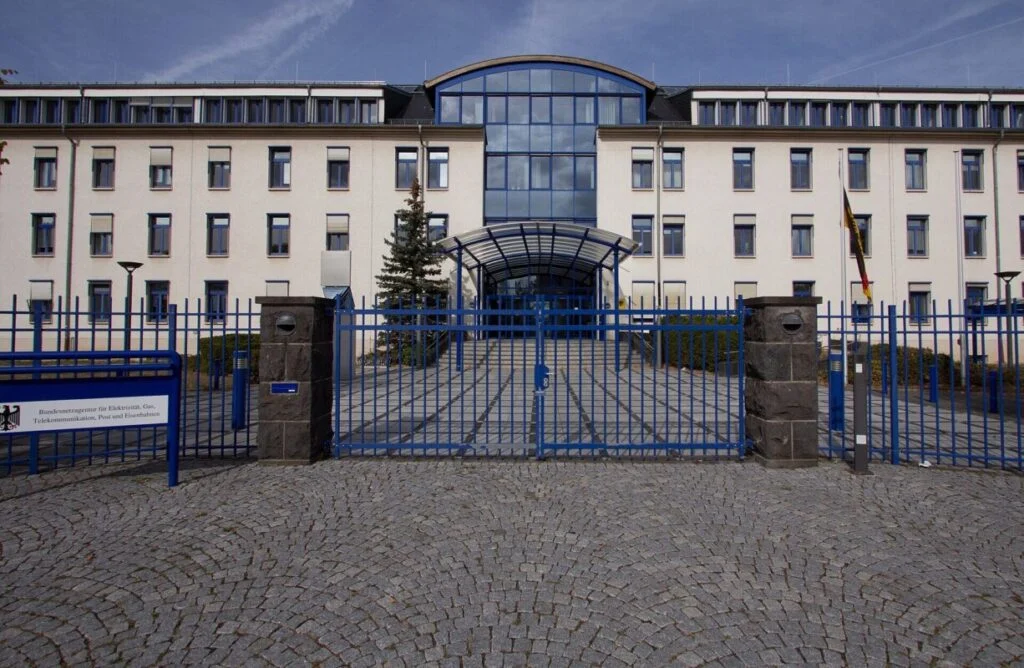
Germany’s energy system regulator has confirmed that BESS projects coming online by 4 August 2029 will be exempt from charging and discharging grid fees, opening up investment again after months of uncertainty.
Bundesnetzagentur (Federal Network Agency) president Klaus Müller confirmed the news to Handelsblatt reporter Catianna Krapp this week, along with several other clarifications.
The 4 August 2029 deadline for large-scale energy storage projects was announced in late 2023. But recent statements by Bundesnetzagentur figureheads indicated that the deadline might be brought back. Or, even worse, it might have been done away with entirely and imposed on projects already online.
Muller has now clarified that projects commissioned by 4 August 2029 will be exempt. But they will have to reach final investment decision (FID) before the new regulation comes into effect to do so, which will be sometime in 2027.
Try Premium for just $1
- Full premium access for the first month at only $1
- Converts to an annual rate after 30 days unless cancelled
- Cancel anytime during the trial period
Premium Benefits
- Expert industry analysis and interviews
- Digital access to PV Tech Power journal
- Exclusive event discounts
Or get the full Premium subscription right away
Or continue reading this article for free
The regulator will then bring in dynamic grid fees for energy storage later, which is currently planned for between 2030 and 2033.
Battery energy storage system (BESS) industry executives reacted positively to the news, which Krapp posted on LinkedIn.
“This decision will provide clarity and security to enable billions of Euros of private investment into energy storage in Germany – strengthening energy security and creating a more efficient power system,” said Julian Jansen, Germany managing director for system integrator Fluence.
“However, with many projects facing development challenges, slow contracting processes, limited capacity to execute large-EPC projects in the market, developers and owners must be acutely aware of the ticking clock to reach FID.”
His colleague Lars Stephen said that no investment decisions have been made in the past five months because of the uncertainty. Some say that, uncertainty aside, grid fees make BESS projects uneconomical. BESS projects in Belgium are exempt (for now), the fees are flexible in the Netherlands, while Romania exempted storage from them recently.
Just yesterday, we published an article off comments from Georg Gallmetzer, managing director of owner-operator Eco Stor, who said that uncertainty around grid fees (and other things) had led to a ‘cooling’ of investor interest in Germany.
That uncertainty has been a counterweight to the huge opportunities in the country’s wholesale energy market, Europe’s largest.
Gallmetzer and other industry figureheads, including from Fluence, will be speaking at the Energy Storage Summit at The Battery Show Europe, in Stuttgart, Germany in two weeks’ time (9-11 June). Use our discount code ESN20 for 20% off.
See our Q&A articles with event speakers below: