The energy regulator in Romania has exempted energy storage resources from fees for charging from the grid.
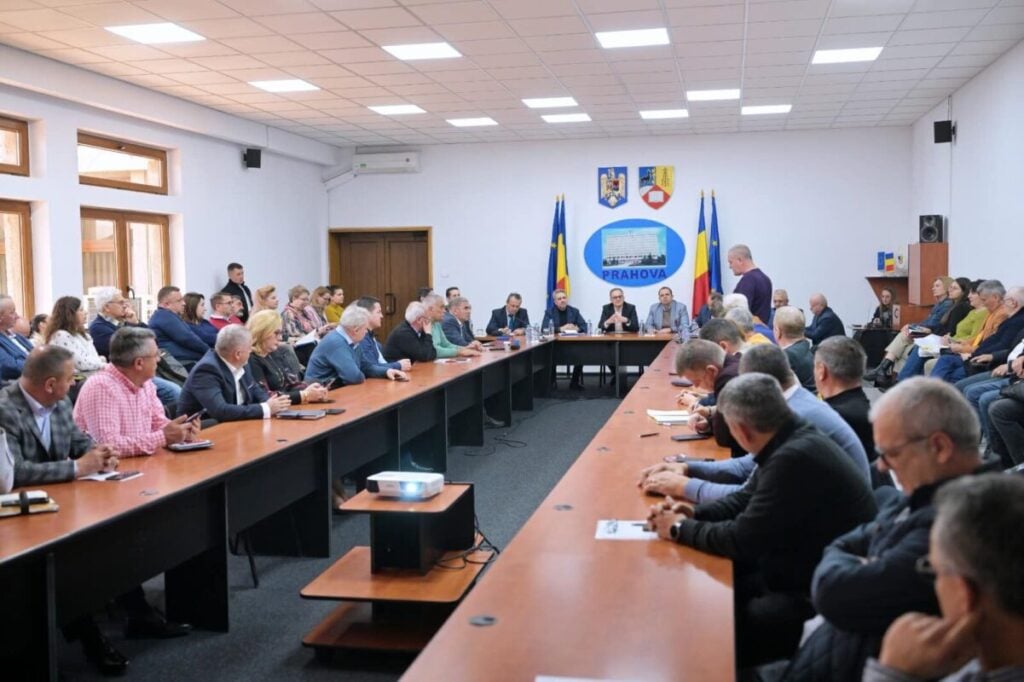
The National Energy Regulatory Authority (ANRE), which regulates the energy sector in Romania, announced the move earlier this week (8 July).
The ‘Order on the Methodological Norms’ exempts the payment of certain regulated tariffs by energy storage resources for electricity which is charged from the grid to then be discharged back onto it.
‘The main goal of this regulation is to eliminate double taxation of stored energy , a significant obstacle to the development of storage technologies – essential for balancing the energy system and integrating production from renewable sources,’ the Order said.
Try Premium for just $1
- Full premium access for the first month at only $1
- Converts to an annual rate after 30 days unless cancelled
- Cancel anytime during the trial period
Premium Benefits
- Expert industry analysis and interviews
- Digital access to PV Tech Power journal
- Exclusive event discounts
Or get the full Premium subscription right away
Or continue reading this article for free
The Order exempts energy storage from the transmission tariffs and green certificates, and also introduces what it called ‘clear reporting obligations on the quantities of energy stored by network operators’.
The exemption applies strictly to energy charged from and then discharged back onto the grid. For the storage facility’s own consumption, including technological losses, grid tariffs remain applicable.
This presumably means that the tariffs will still be paid on energy lost during the charge-discharge process, whether that’s from the inverter conversion or from the storage technology’s own round-trip efficiency (RTE). This could increase the importance of RTE for storage operators. Lithium-ion battery energy storage systems (BESS) RTE is typically over 90%.
George Niculescu, president of ANRE , said: “We cannot build a balanced and resilient energy system with rules that penalise innovation. Through this regulation, we send a clear signal to investors: Romania supports energy storage, not just as a technological option, but as a pillar of the energy transition.”
The regulation is in line with European best practice under the EU’s Agency for the Cooperation of Energy Regulators (ACER). It follows a busy few weeks in Romania’s energy storage market – see all our coverage here.