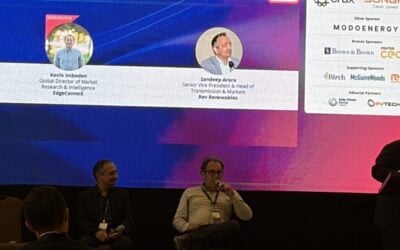
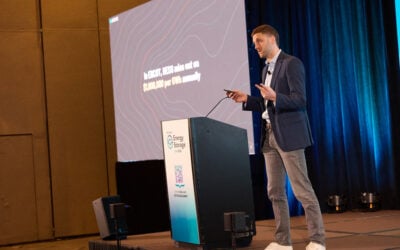
Interconnection costs for utility-scale energy storage in California are significantly lower than in other major US markets, with developers also benefiting from network upgrade cost reimbursements unavailable elsewhere, according to a senior executive at Rev Renewables.
On 26 August, US President Donald Trump banned the import of inverters, transformers and other power equipment citing a potential risk to US grid security, via emergency executive order (EO).
Flexible Connection Agreements (FCAs) must not be used simply to exclude BESS from connecting to the grid, but the industry will have to make do with them and all their imperfections for the foreseeable.
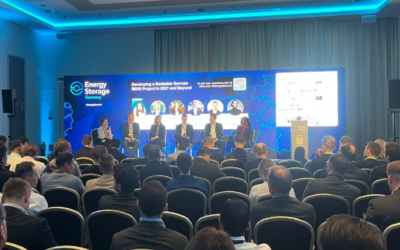
BESS project owners, lenders and optimisers kicked off the Energy Storage Summit Germany 2026 today in Berlin with a discussion on developing a bankable project.
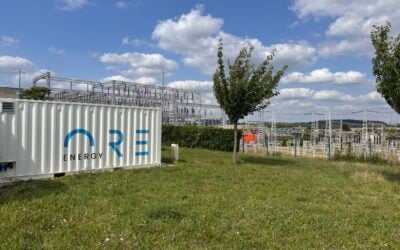
We look at the iron-air battery technology of startup Ore Energy, including how it works and technology developments it is pursuing after a recent US$43 million fundraise.
The global battery energy storage market is entering a new phase, with shifting cell prices, intensifying competition and rapid international expansion reshaping the supplier landscape.
PJM has proposed a major overhaul of how it procures power capacity in response to surging data centre demand that has driven auction prices up more than 1,000% in two years and threatens to add US$70 per month to average household electricity bills by 2028.
As the battery storage industry matures through competition and scale, a significant push for efficiency is coming, writes Dr Kai-Philipp Kairies, CEO and co-founder of ACCURE Battery Intelligence.
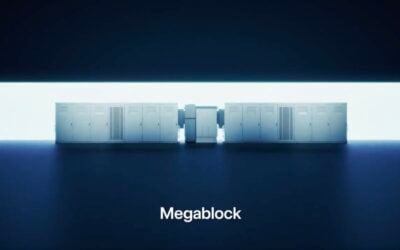
Tesla was one of the pioneers of the grid-scale battery storage market, but has faced increasing competition in the past few years. In this article we look under the hood of its latest grid-scale BESS product, the Megapack 3.
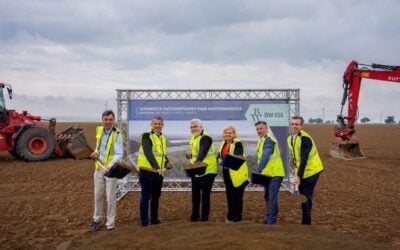
We hear from Nikhil Koppaka, senior commercial manager for BESS owner-operator BW ESS on the big opportunities and challenges in Germany’s grid-scale energy storage market.