June 2020’s episode of the Solar Media Podcast is now available to listen to, and it’s jam packed with insight and discussion around a flurry of activity in the US and Europe.
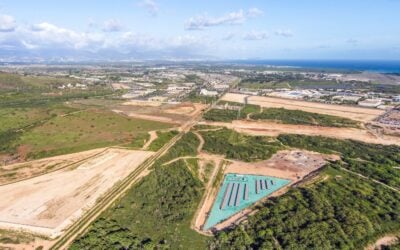
EDF, Hanwha and Innergex lie among the firms contracted at Hawaii’s supposedly largest renewable tender to date, joining already-known winners such as ENGIE.
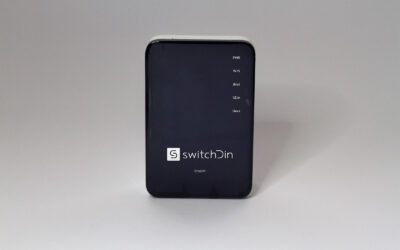
QCELLS has invested AU$5 million (US$3.45 million) in SwitchDin, an Australian distributed energy resources (DERs) software company that offers capabilities including virtual power plant aggregation and microgrid-forming.
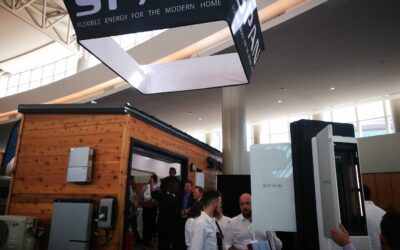
A former Tesla head of products has said that his new start-up’s redesign of the humble electrical panel offers “breakthrough interaction with home batteries,” and can streamline both labour and component costs of energy storage installations.
Leclanché is undergoing a “strategic reorganisation” of the company and said it has secured funding for its manufacturing and R&D activities while also announcing a pivot towards becoming a “green tech software and systems integration company”.
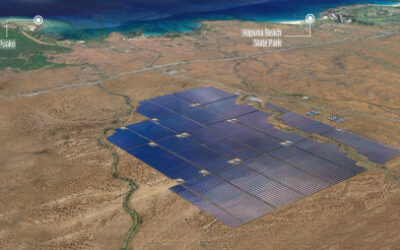
Another three developers with more than a gigawatt-hour of wins in Hawaiian Electric’s (HECO’s) massive solar-plus-storage and standalone energy storage tenders have gone public with size and location details of their proposed projects.
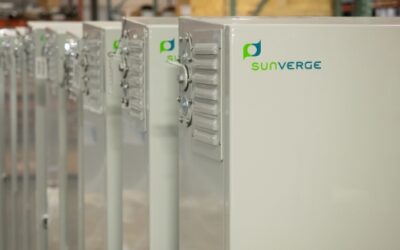
Sunverge CEO Martin Milani talks about the system architectures and technologies that can make residential storage virtual power plants economically viable and useful to the local electricity network. As told to Andy Colthorpe.
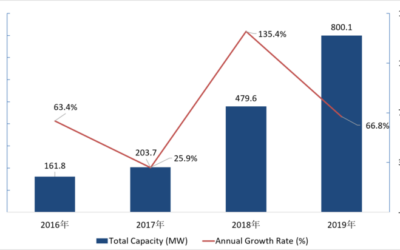
There was a near-70% increase in capacity of operational energy storage projects in China paired with solar energy from 2018 to 2019, according to figures recently published by the China Energy Storage Alliance (CNESA).