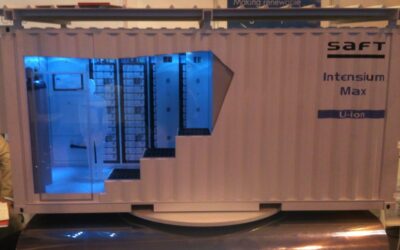
Kokam has been awarded contracts to deliver 40MWh of battery energy storage at solar power plants in South Korea, including its newest High Energy Lithium Nickel Manganese Cobalt Oxide (HE NMC) batteries.
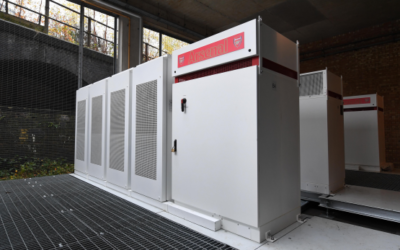
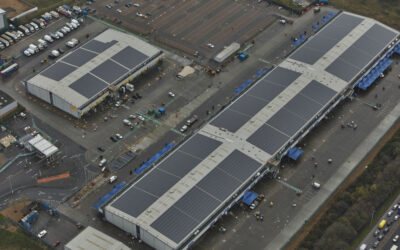
Arsenal football club’s Emirates Stadium has become home to what could be the first behind the meter battery of its size aimed at wholesale energy trading over frequency response.
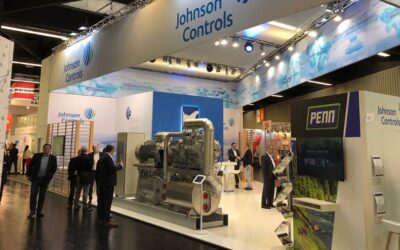
Johnson Controls has sold off its power business, including its design and production of automotive batteries, to focus on management solutions for buildings and HVAC systems for industrial customers.
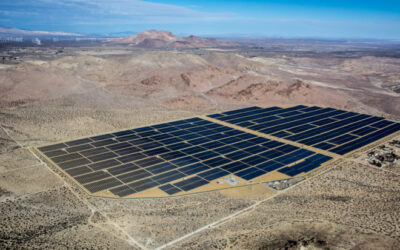
Two community energy groups in California have partnered to buy the energy output of a 150MW solar farm with 180MWh of battery energy storage from Recurrent Energy, the US-based utility-scale solar project developer subsidiary of Canadian Solar.
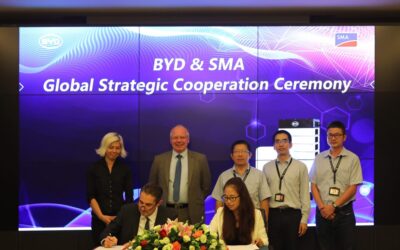
Quoting an expected doubling in installed PV capacity over the next five years, a partnership between Chinese battery storage system maker BYD and European PV inverter company SMA is targeting the USA market, identifying it – along with Africa – as having “high growth potential” for the pair’s products.
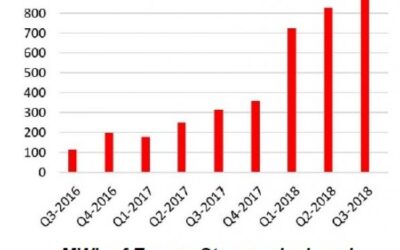
As well as Elon Musk remarking that the company may have had its “best ever quarter” for solar since the SolarCity takeover, Tesla’s energy storage deployments have enjoyed a ramp up, while a fellow exec hinted the stationary battery business is constrained by cell supply.
The UK’s government has shied away from supporting large volumes of solar and other distributed energy technologies through subsidies, but commercial and industrial energy storage and solar-plus-storage could be a huge market opportunity in Britain and abroad.
Lithium-ion battery energy storage will be deployed at a 10MW solar farm in a remote part of Siberia, as a pilot to investigate the potential for the technologies to combine in the region.