Battery storage projects have won nearly 40% of the capacity in Belgium’s latest capacity market (CM) auction results, while Germany’s first has all gone to gas, paying nearly eight times more than Belgium in the process.
Belgian TSO Elia procures 2.6GW, 1GW to batteries
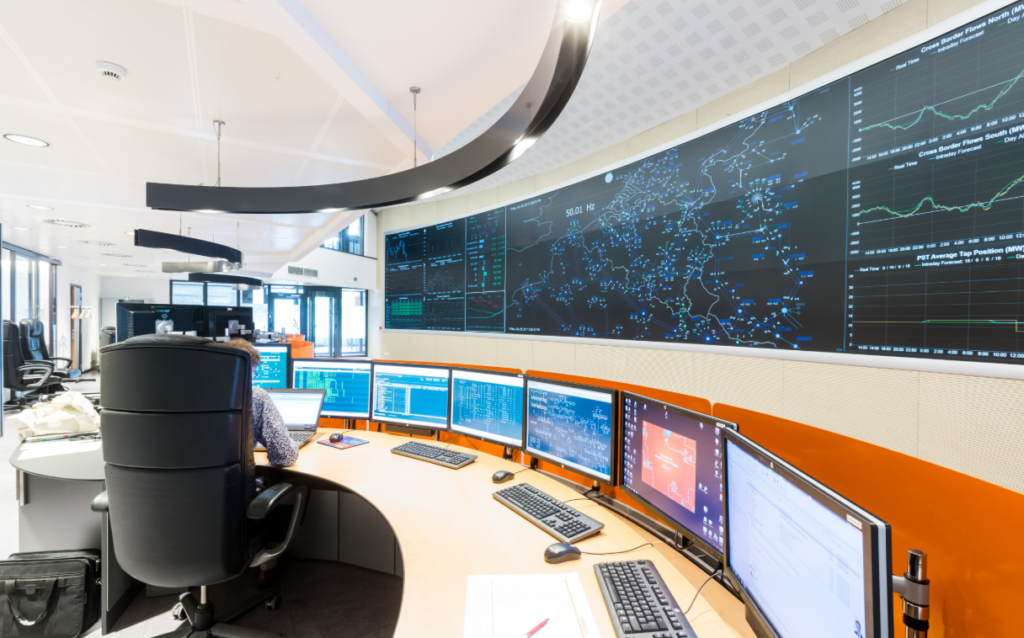
Belgium’s system operator Elia has released the results of three Capacity Remuneration Mechanism (CRM) auctions, equivalent to a CM, for delivery periods 2027-2028, 2028-2029 and 2030-2031.
The CRM has been launched to fill capacity gaps left by the phase out of nuclear power. While CMs differ by country, they generally mean payment for being available during specific forecasted ‘stress’ periods of tight supply-demand margins.
The CRM has been a key pillar of the business case for large-scale battery energy storage systems (BESS) in Belgium, going back to when it was first launched in 2021. Each year it has handed contracts to hundreds of megawatts of batteries, helping Belgium become one of Europe’s most mature markets for BESS.
Try Premium for just $1
- Full premium access for the first month at only $1
- Converts to an annual rate after 30 days unless cancelled
- Cancel anytime during the trial period
Premium Benefits
- Expert industry analysis and interviews
- Digital access to PV Tech Power journal
- Exclusive event discounts
Or get the full Premium subscription right away
Or continue reading this article for free
For delivery period 2028-29, the Y-2 auction, Elia procured 1.6GW of capacity of which 0.5GW was battery energy storage systems (BESS), it said last week (29 October). The auction cost for Y-2 was approximately €34 million (US$38 million), with a weighted average price of €21,643/MW/year.
For the delivery period 2030-31, the Y-4, Elia procured 0.8GW of capacity of which 0.5GW was BESS. The auction cost is approximately €14 million, with a weighted average price of €18,143/MW/year, Elia said.
In total across the two, Elia procured 2.4GW of capacity of which 1GW was BESS, a little over 38% of the total.
For the 2027-2028 period, the Y-1, no new capacity was procured, with previous auctions’ capacity being deemed sufficient.
Germany
The results are in stark contrast to Germany’s first CM auction, which ran in September and the results of which have just been published by industry regulator the Bundesnetzagentur.
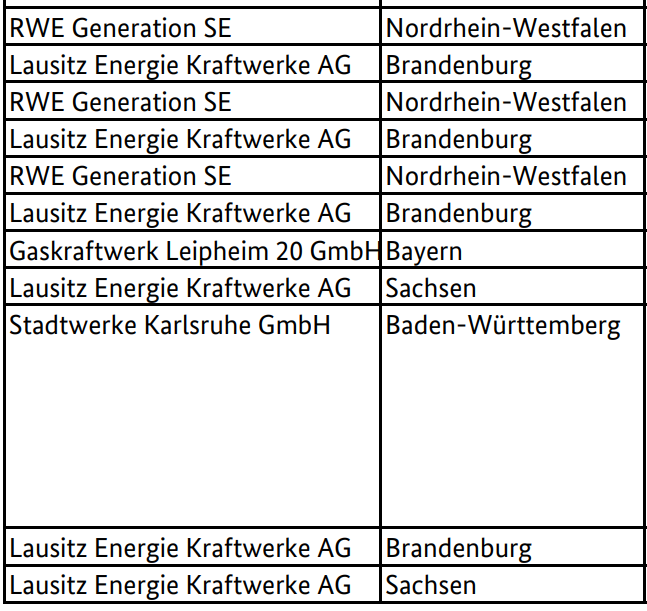
The tender sought to procure 4.5GW but procured 5.16GW across 11 projects, all of which appear to be legacy generation, mainly gas. Nearly all of them are units operated by power groups RWE and LEAG (see the full table further down).
Both are also building large-scale BESS, but continue to have legacy gas and coal generation at the core of their business.
It is the first of two auctions seeking 9GW in total.
The average volume-weighted price was €155,296/MW/year, which the regulator said is significantly below the maximum price of €244,000/MW/year.
Though they might not be directly comparable, that figure is nearly eight times’ higher than those in Elia’s 2028-2029 and 2030-2031 auctions.
When Germany’s CM was finally approved by the European Union a week before the auction, climate groups slammed it as ‘pro-gas’.
And even a future, smaller 2GW auction which was meant to be more accessible for energy storage is now said to be hugely challenging to participate in. That was one of our key takeaways from our publisher Solar Media’s Energy Storage Summit Germany 2026 in Berlin in September.
A screengrab table from the Bundesnetzagentur website showing the operating unit names and locations is below.