Lithium-ion waste from a solar lantern scheme run by oil & gas major Total in Kenya will be recycled into new batteries for solar home systems by start-up Aceleron.
Power markets are evolving and beginning to value flexibility ahead of generation. As the UK’s networks companies move to embrace flexible generation assets, Liam Stoker spoke to some of the country’s leading providers to identify the hurdles and solutions to a more flexible power grid.
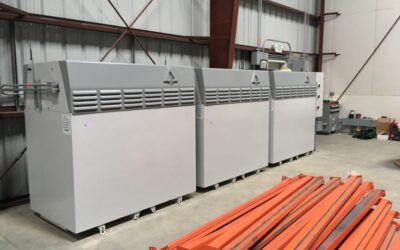
Lithium-ion battery manufacturer Samsung SDI has claimed an industry first, passing UL9540A test certification for the safe installation of stationary energy storage systems (ESS), with particular regard to the fire risk posed by thermal runaway.
Vanadium producer Bushveld Minerals has offered its backing to the merger of UK energy storage provider redT with US vanadium redox flow battery maker Avalon Battery, providing a loan to help the deal get over the line – and to help its own vertical integration ambitions.
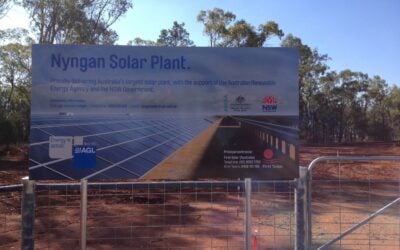
Large-scale solar farm developer Maoneng Energy said it is expanding its battery energy storage portfolio in Australia, after signing a deal for 400MWh of projects with major utility company AGL.
After a power failure and fire at a battery storage system in South Korea was investigated, DNV GL has reported that “current approaches” for monitoring and preventing fires may be inadequate and could result in “small failures” becoming “major issues”.
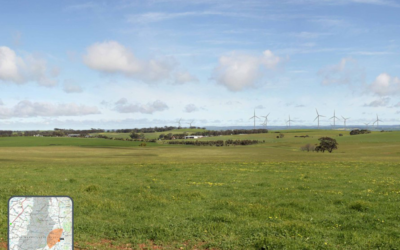
A wind farm with co-located battery storage, in development by UK-headquartered multinational renewables developer and EPC provider RES Group, is to go ahead in Australia.
Softbank Group’s SB Energy subsidiary is among investors that contributed to a successful US$30 million Series C funding round for ESS Inc, a US-headquartered manufacturer of iron flow batteries that use a proprietary saltwater electrolyte.
At 4:52pm on Friday 9 August 2019, the UK suffered its first wide-scale blackout in more than a decade. More than 1.1 million consumers were plunged into the dark as rail lines screeched to a halt, traffic lights failed and even airports reported problems. Liam Stoker looks at the root causes, and how battery storage came to the rescue.