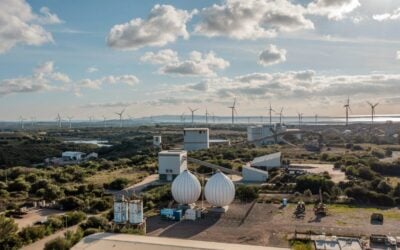
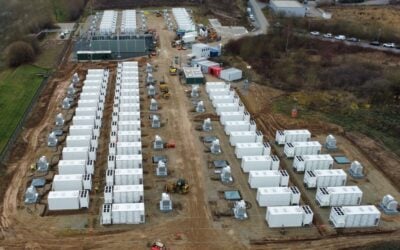
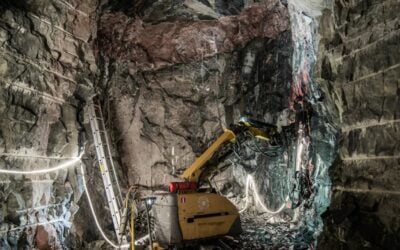
The Italian government has declared an AI data centre in development by Energy Vault, featuring hybrid energy storage technologies, to be of strategic national interest.
Three years after the EU Batteries Regulation (EUBR) entered into force, it is becoming easier to separate regulatory expectations from measurable market impacts, writes patent lawyer Chloe Flower.
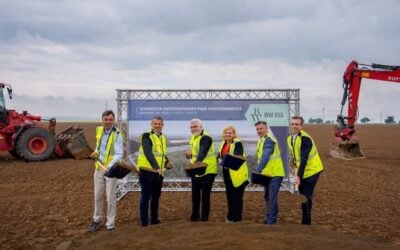
We hear from Nikhil Koppaka, senior commercial manager for BESS owner-operator BW ESS on the big opportunities and challenges in Germany’s grid-scale energy storage market.
CATL has formed a partnership to work on projects awarded contracts through Brazil’s first national energy storage auction programme, which received more than 6,000 bids.
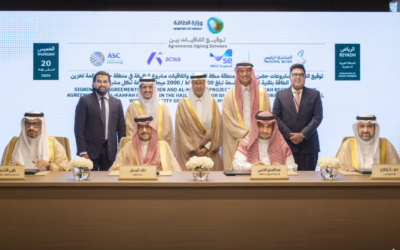
Saudi Arabia’s Principal Buyer of electricity has awarded four service contracts for large-scale battery storage projects to consortia featuring ACWA Power and Engie.
If BESS are to be given restricted grid access, they should be given a commensurate reduction in the BKZ fee, Marie-Sophie Braun, head of markets & regulatory affairs for developer Kyon Energy, said.
The UK government has launched a new grant funding programme for energy storage technologies that can provide inter-day and seasonal energy shifting applications.