European battery manufacturer and energy storage system integrator InoBat plans to get a Nasdaq listing through a business combination with a special purpose acquisition company (SPAC).
InoBat, headquartered in Voderady, Slovakia, develops battery cell technology and manufactures battery energy storage systems (BESS). The company said yesterday (28 July) that it has agreed to the business combination with US-based Cartesian Growth Corporation II.
A SPAC merger is a quicker route to the stock exchange listing of shares than an IPO. Essentially, a SPAC is a blank cheque company that already has a stock exchange listing. It raises cash, acquires a company in a target industry, and then forms a business combination.
There was a sudden surge in the popularity of SPAC mergers globally beginning in 2021, and the energy storage industry saw several such combinations and subsequent listings. As written in March of that year in a Guest Blog for Energy-Storage.news by Charles Lesser, partner at cleantech advisory firm Apricum, SPAC mergers could be a fast but risky path to raising financing and profile for energy storage startups.
Try Premium for just $1
- Full premium access for the first month at only $1
- Converts to an annual rate after 30 days unless cancelled
- Cancel anytime during the trial period
Premium Benefits
- Expert industry analysis and interviews
- Digital access to PV Tech Power journal
- Exclusive event discounts
Or get the full Premium subscription right away
Or continue reading this article for free
InoBat said its combination with Cartesian II gives the BESS and battery firm a US$1.265 billion valuation. It will raise US$77.5 million in new capital through private investment in public equity (PIPE) commitments by institutional investors and current InoBat shareholders.
The companies expect the combination to close in late 2026. Cartesian II has filed a Form 8-K with the US Securities and Exchange Commission (SEC) with additional information about the proposed transaction.
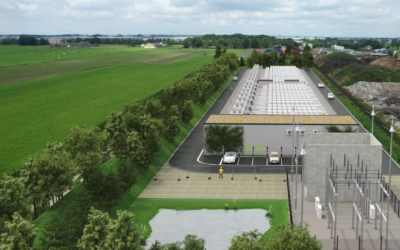
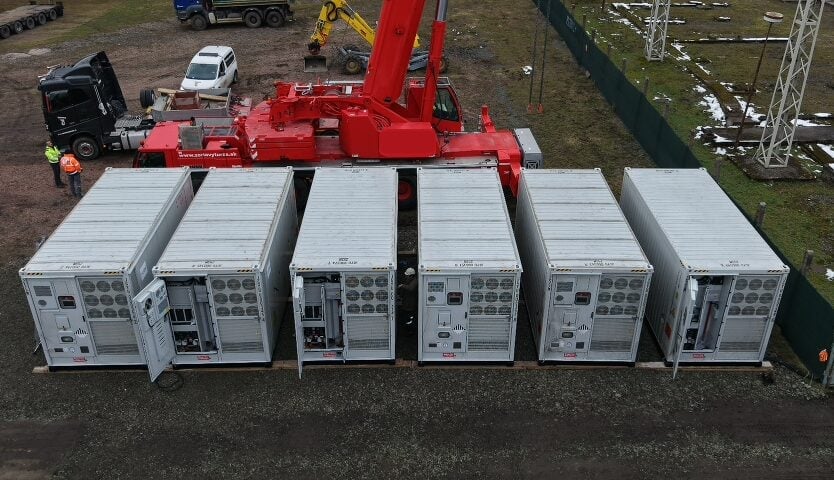
InoBat assembles BESS solutions at its facility in Voderady and claims to have delivered or contracted 875MWh of utility-scale BESS capacity to date. It is now also targeting the data centre power market and advancing next-generation sodium-ion (Na-ion) cell technologies.
Cautionary tales of previous SPAC combinations
Through the merger, InoBat may get the listing it wants, but the company may find that life after listing can be challenging, as some energy storage companies that went through the SPAC route previously have so far.
Stem Inc, previously best known as a hardware and software provider for commercial and industrial (C&I) energy storage, has all but exited the BESS hardware space to focus on higher margin software and services for renewable energy plants.
Li-Cycle, a battery recycling company based in the US and Canada, has gone out of business since its SPAC merger.
Iron flow battery maker ESS Inc., zinc hybrid cathode battery maker Eos Energy Enterprises and gravity energy storage startup Energy Vault all listed around the same time and have each pivoted significantly in the four years since.
A few weeks ago, another zinc battery company, ZincFive, announced a SPAC merger that will give the company a Nasdaq listing, valuing the tech company at around US$752 million. ZincFive leadership told ESN Premium in June that the company’s listing success hinges not on expected future revenues, as its early-mover peers’ had, but instead on more solid ground based on “formal purchase orders from blue-chip customers, not projections.”