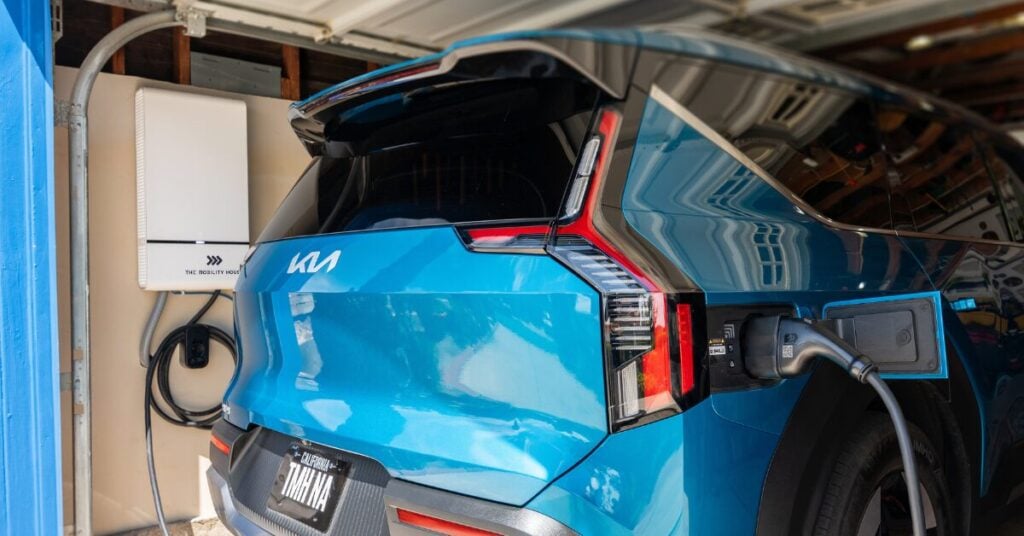
Utilities Eversource and National Grid will enable customers in Massachusetts to enrol vehicle-to-grid (V2G) -capable EVs in their demand side flexibility programme.
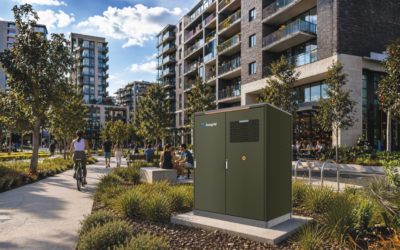
Working with distributed energy resource management system (DERMS) platform provider EnergyHub, Sunrun’s grid services arm, and V2G platform provider The Mobility House, Eversource and National Grid are bringing V2G onto the ConnectedSolutions virtual power plant (VPP) programme.
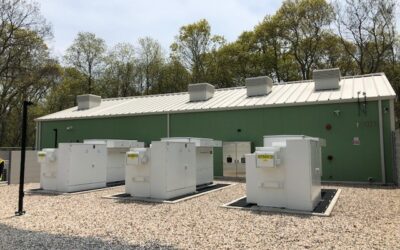
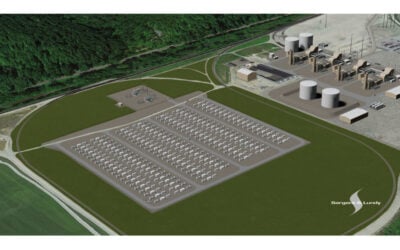
The programme uses flexible capacity from thermostats, battery energy storage, and commercial and industrial resources to reduce grid strain. It operates across five states, orchestrating more than 280,000 participating distributed energy resources (DERs), and over 800MW of flexible capacity.
Seth Frader-Thompson, president of EnergyHub, described ConnectedSolutions as the “gold standard” for how utilities can scale virtual power plants (VPPs).
Try Premium for just $1
- Full premium access for the first month at only $1
- Converts to an annual rate after 30 days unless cancelled
- Cancel anytime during the trial period
Premium Benefits
- Expert industry analysis and interviews
- Digital access to PV Tech Power journal
- Exclusive event discounts
Or get the full Premium subscription right away
Or continue reading this article for free
Consumers enrol qualifying devices and receive incentives for adjusting their usage patterns during peak demand.
Currently, the V2G integration will be offered to customers in Massachusetts, while Eversource and National Grid establish what benefits the technology can offer as part of the broader programme.
Unlike other vehicle-to-grid trials, the initiative will use the additional storage capacity of EV batteries alongside other flexible capacity, as opposed to orchestrating it as a standalone asset.
National Grid and Eversource said that the participation of V2G-capable EVs will help lower costs for all customers. The utilities also stated that the grid benefits V2G-capable EVs can provide are “potentially substantial”, and participating drivers will be rewarded with incentives that “support the value they deliver to the grid”.
Both National Grid and Eversource are also actively engaged in fleet-level V2G initiatives, with the former currently leveraging V2G for light-to-medium-duty fleets within ConnectedSolutions, beginning with school buses.
Eversource, meanwhile, is engaging with districts as part of its ConnectedSolutions+ offer, a pilot offering greater incentives for demand response participation in areas that are particularly grid-constrained.
To read the full version of this story, visit Electric Vehicle Infrastructure News (EVIN), where it first appeared.