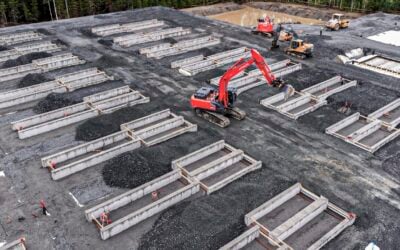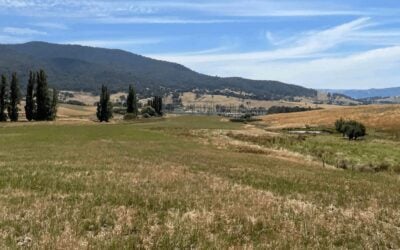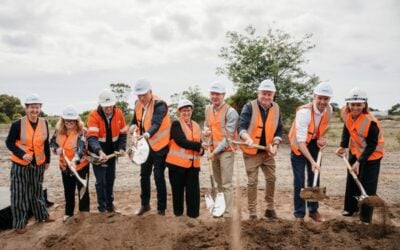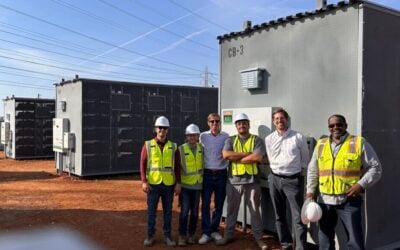
New Zealand generator-retailer Genesis Energy has reached Final Investment Decision (FID) on the second stage of its Huntly battery energy storage system (BESS).
The second stage of the project is sized at 100MW/200MWh, and this will double the site’s total storage output and capacity to 200MW/400MWh by the third quarter of the company’s 2028 financial year (Genesis Energy’s FY runs from 1 July to 30 June – Editor).
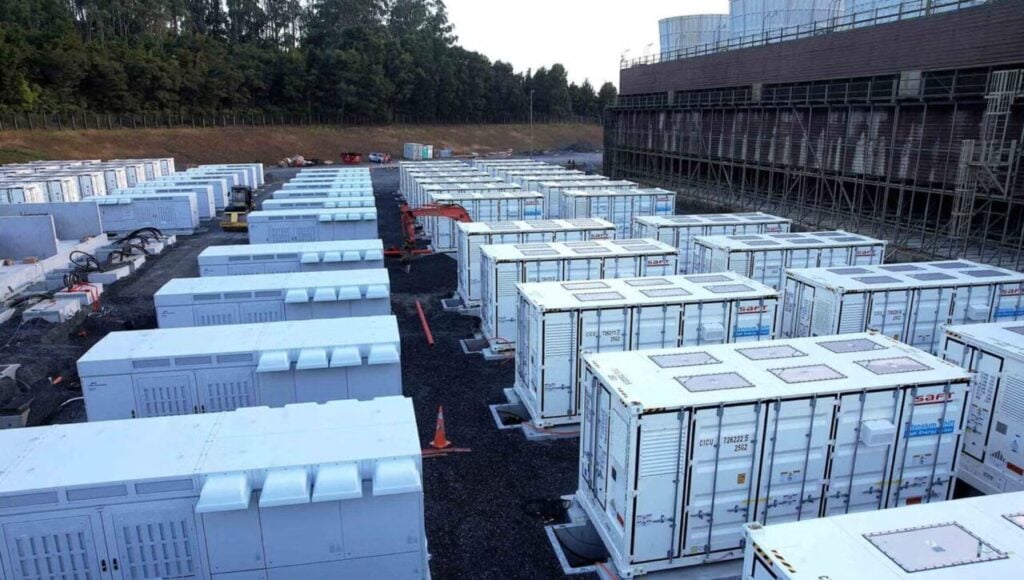
The NZ$106 million (US$62 million) project will leverage existing land, infrastructure and grid connection at Huntly Power Station, along with shared plant from the first-stage BESS currently under construction.
Genesis commenced construction on the first stage of its Huntly BESS in 2025, a project Energy-Storage.news reported would provide 2-hour duration storage capacity.
Try Premium for just $1
- Full premium access for the first month at only $1
- Converts to an annual rate after 30 days unless cancelled
- Cancel anytime during the trial period
Premium Benefits
- Expert industry analysis and interviews
- Digital access to PV Tech Power journal
- Exclusive event discounts
Or get the full Premium subscription right away
Or continue reading this article for free
Genesis said the approach will deliver the “lowest cost committed grid-scale BESS in New Zealand to date”.
French battery manufacturer Saft has been appointed for supply and long-term servicing, consistent with the first stage. Construction is expected to commence in the second quarter of FY27, with commercial operation targeted for the third quarter of FY28. The project is targeting an internal rate of return of approximately 10%.
Genesis chief operating officer Tracey Hickman said the investment reflects “disciplined execution” of the company’s Gen35 strategy and its focus on assets that enhance portfolio flexibility.
“BESS provides fast-response capability that is increasingly important as the generation mix evolves, allowing us to better manage variability and support a more dynamic electricity system,” Hickman said.
Hickman added that the second-stage investment “strengthens the role of Huntly within our portfolio, positioning the site to continue supporting system reliability as New Zealand transitions toward a lower-carbon future.”
The project will be funded on the balance sheet, supported by a NZ$400 million equity raise completed in March 2026. Genesis said the financing approach aligns with its capital management framework while maintaining its BBB+ credit rating, which signals low-to-moderate default risk, and preserving financial flexibility for future investments.
Genesis operates a portfolio that includes thermal generation at Huntly, the Tongariro hydro scheme and the Tekapo A and B hydro stations.
Huntly site positioning and broader pipeline
The Huntly expansion forms part of Genesis’ NZ$2 billion growth plan to support growing electricity demand, displace baseload gas generation and strengthen electricity security.
The site’s existing zoning and consent framework are appropriate for the expanded facility, with only minor additional consents required for construction activities.
Genesis currently has 63MW of operational solar capacity at its Lauriston power plant, with a further 336MW of committed growth capex, including the 100MW/200MWh Huntly BESS stage one, which is under budget and on track for commercial operation in the first quarter of FY27, and the 136MW Edgecumbe solar PV power plant.
The company’s progressive growth opportunities include the 67MW Leeston solar PV power plant, with FID expected in the fourth quarter of FY26, and the 271MW Rangiriri solar PV plant, with FID expected in the second half of FY27.
Genesis is also evaluating discretionary firming options, including gas storage, biomass and a 50-100MW peaker unit at Huntly.
New Zealand’s grid-scale battery storage market has developed more slowly than neighbouring Australia’s. Meridian Energy brought online the country’s first grid-scale system, a 100MW/200MWh facility at Ruakaka in Northland, which began commercial operation in May 2025.
The market has also seen activity from international developers. In June 2025, Australian developer Eku Energy entered the New Zealand market through the acquisition of a utility-scale BESS project from Lodestone Energy, marking a notable expansion of cross-Tasman investment in the sector.