RES Australia’s 2,400MWh Bunyip North battery energy storage system (BESS) has cleared the federal environmental assessment process under Australia’s Environment Protection and Biodiversity Conservation (EPBC) Act.
The 400MW/2,400MWh project is located within the Cardinia Shire Local Government Area, approximately 80km south-east of central Melbourne in Victoria’s Gippsland region and approximately 2.5km north of the Bunyip town centre.
Specifically, the BESS was deemed “not a controlled action” on 28 May under the EPBC Act.
Project infrastructure will sit within a 30.8-hectare project area. It will connect to the existing 220kV transmission network via a new Bunyip North Terminal Station, which links into the existing Yallourn Power Station to Rowville Terminal 220kV transmission line via a direct cut-in arrangement.
Try Premium for just $1
- Full premium access for the first month at only $1
- Converts to an annual rate after 30 days unless cancelled
- Cancel anytime during the trial period
Premium Benefits
- Expert industry analysis and interviews
- Digital access to PV Tech Power journal
- Exclusive event discounts
Or get the full Premium subscription right away
Or continue reading this article for free
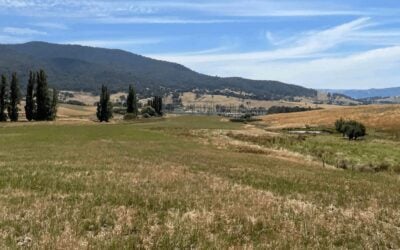
The 6-hour duration system will be built on land currently used for livestock grazing and hay production, with the project area sited to avoid direct impacts on matters of national environmental significance.
Construction of the project is anticipated to commence in mid-2027, with a peak workforce of around 75 personnel. Construction and commissioning are expected to last 24 months, with a targeted operational date of mid-2029.
RES submitted the Bunyip North BESS to the EPBC Act for environmental assessment in April 2026, with the project area comprising approximately 30.8 hectares of predominantly modified agricultural land.
Victoria has legislated renewable energy generation targets of 65% by 2030 and 95% by 2035, alongside energy storage capacity targets of at least 2.6GW by 2030 and 6.3GW by 2035 under the Renewable Energy (Jobs and Investment) Act 2017.
According to the EPBC Act documents, the Bunyip North BESS project area was selected to avoid direct impacts on matters of national environmental significance while remaining close to existing transmission infrastructure.
The project benefits from good access to transport infrastructure, being located adjacent to the Princes Freeway, and the final location for project infrastructure will maintain a development and construction buffer of at least 200 metres from threatened species preferred habitats.
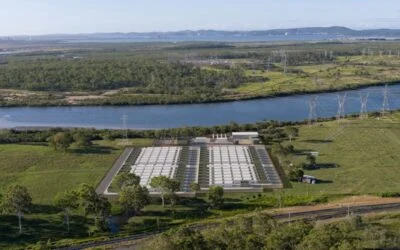
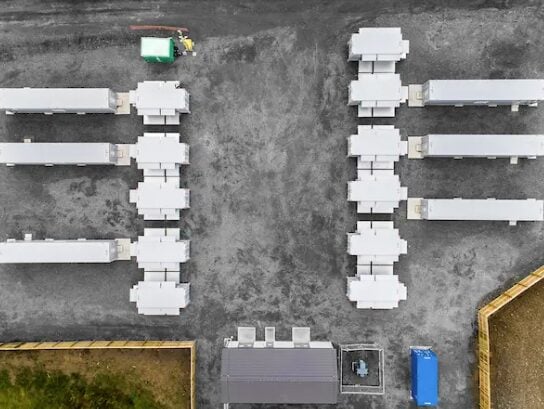
Supporting infrastructure will include containerised battery units, power conversion systems, an on-site substation with 33/220kV step-up transformer, a control room, fire detection and suppression systems, a fire water and stormwater management system, security fencing, and internal access roads.
RES Australia has engaged ERM to prepare a Cultural Heritage Management Plan in consultation with the Bunurong Land Council Aboriginal Corporation as part of the broader approvals process.
Victoria’s growing EPBC Act pipeline
The Bunyip North clearance arrives during a particularly active period for EPBC Act decisions on Victorian battery storage projects.
Earlier in May, Energy-Storage.news reported that Akaysha Energy received federal environmental clearance for its 400MW/1,600MWh Glenrowan BESS, with the project deemed “not a controlled action” under the EPBC Act.
The BlackRock-backed developer can now proceed with construction of the 4-hour duration system near Winton without further federal environmental assessment requirements.
The Glenrowan project was jointly developed with BZ Renewables and had previously been fast-tracked through Victoria’s state Development Facilitation Program.
In addition to the Glenrowan project, developer Alternate Path secured EPBC Act clearance for its 500MW/2,000MWh Murchs Corner BESS in Victoria’s Moyne Shire.
The project will connect to the existing 500kV Moorabool to Mortlake transmission line via a cut-in terminal station and received its EPBC Act clearance approximately one month after entering the queue in late March 2026.
The Moorabool-Mortlake corridor has become a focal point for storage development in western Victoria, given its proximity to the state’s newly declared South-West Renewable Energy Zone.
Interested in Australia? Read Energy-Storage.news’ Energy Storage Summit Australia coverage and related content.