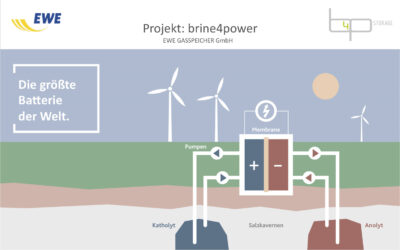
One of Germany’s largest utilities wants to build what it says could be the biggest ‘battery’ in the world to date – using underground caverns filled with saltwater as a giant redox flow energy storage system.
US-based trade industry groups NY-BEST and the Energy Storage Association, have welcomed the passing of bills in New York providing a framework for the state’s regulator to establish an energy storage deployment programme.
Up to US$6.3 million in funding will support the commercialisation of emerging energy storage technologies in New York, from public benefit corporation NYSERDA (New York State Energy Research & Development Agency).
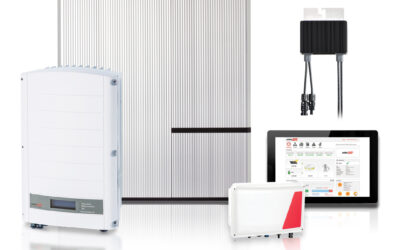
Residential energy storage in Germany for PV self-consumption could be handed a boost in 2020, as some of the earliest premium feed-in tariffs (FiTs) begin to expire.
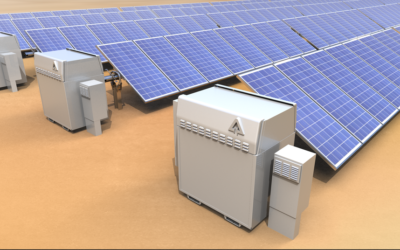
One of the world’s leading suppliers of solar PV trackers is targeting sales volumes of approximately 15MW per week of the new battery solution it has paired with its products.
Stakeholders have two months to comment on guidelines for safely installing lithium-ion energy storage in Australian homes being drafted by Standards Australia, which have already proved controversial.
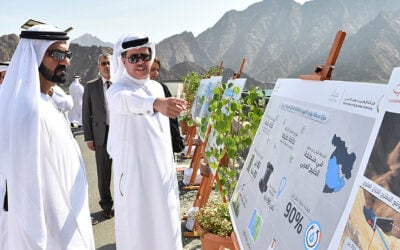
A consultancy contract for a 250MW pumped hydro energy storage plant in Dubai has been awarded to French power company EDF by the emirate’s main public infrastructure company.
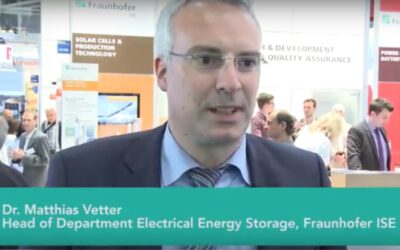
Dr Matthias Vetter, head of department for electrical energy storage at the testing institute Fraunhofer ISE on educating investors, the prospects for 2nd life batteries and the impact of thermal management on project lifetimes.
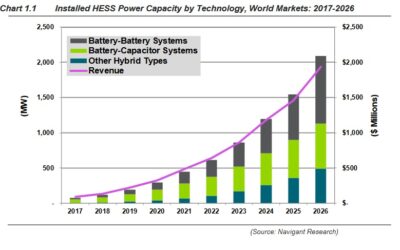
Hybrid systems combining the complementary aspects of more than one technology could “change the energy storage landscape”, with 2.1GW predicted for deployment in less than 10 years, according to a report from Navigant Research.
South Africa’s main utility Eskom said it has identified a need for as much as 2,000MW of energy storage on its networks, and has opened a testing facility to find the technologies most suitable.