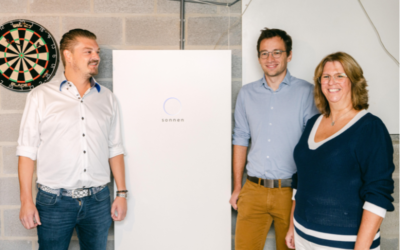
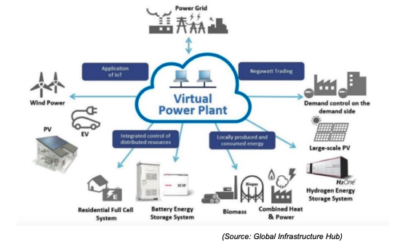
Sunverge CEO Martin Milani talks about the system architectures and technologies that can make residential storage virtual power plants economically viable and useful to the local electricity network. As told to Andy Colthorpe.
California, the world’s fifth largest economy and a global innovation engine, is confronting ambitious clean energy and GHG reduction goals. California must achieve 60% renewable energy and 5 million electric vehicles on the road by 2030, and a fully decarbonised power sector by 2045.
Even the US states leading in energy storage market development still have work to do when it comes to adopting the best and lowest-cost grid interconnection procedures, an expert in regulatory affairs at the Interstate Renewable Energy Council (IREC), has said.
We’ve arrived at Day One of Smart Energy Week – hosting Solar Power International and Energy Storage International in Utah. Here are some of my observations: both on and ‘off’ the record.
Ontario’s Independent Electricity System Operator (IESO) is set to launch a demonstration of how solar panels, energy storage and customer-sited demand side response (DSR) can be used to drive down costs of the IESO’s network.
Make no mistake – headlines in the mainstream press this week around Australia, climate change and energy are not positive. But enthusiasm at state level, where arguably politicians have closer relationships with their constituents, appears to run counter to apathy or even obstructionism from the top.
The UK’s energy retail market is witnessing an exodus of customers leaving the so-called Big Six for independent suppliers, who are attracting them with home solar systems and a battery to match. Liam Stoker uncovers what’s behind the trend for new energy suppliers taking to domestic PV
Statkraft has partnered with energy & meteo systems to launch a 1GW wind, solar and battery storage virtual power plant in the UK, which it says will further renewables’ penetration into the country’s energy market.
The scrapping of the UK’s Zero Carbon homes policy is costing occupants of new-build homes more than £200 (US$257.14) per year, essentially three times the targeted savings from a price cap set by the regulator, Ofgem.
National Grid, in its capacity as the UK’s Electricity System Operator (ESO), last week launched a new ‘Distributed Resource Desk’ in its control room in a move hailed as a “huge step forward” for electricity flexibility markets.