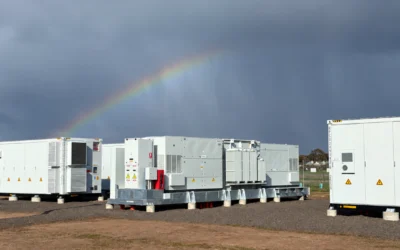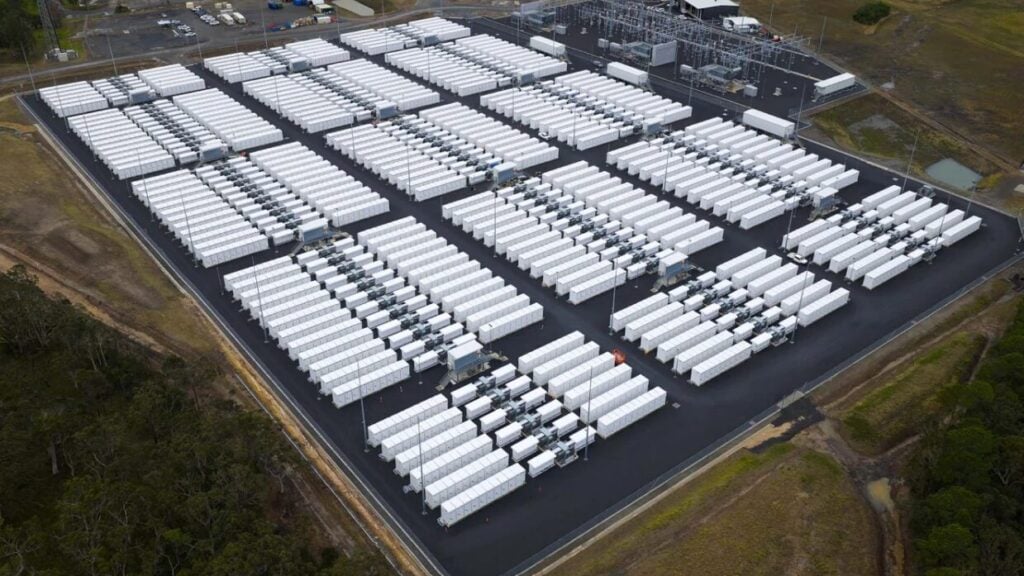
Developer Akaysha Energy has confirmed that the 850MW Waratah Super Battery in Australia will undergo a planned balance of plant shutdown from 20 November to 2 December 2025.
It comes as the BlackRock-backed developer continues to address the aftermath of a catastrophic transformer failure that occurred in October.
The 850MW/1,680MWh battery energy storage system, currently operating at a reduced 350MW capacity, maintains its System Integrity Protection Scheme (SIPS) service requirements, despite transformer issues that have delayed the full commissioning of what was designed to be the world’s most powerful battery storage system.
Estimates suggest the transformer failure could result in total losses between AU$50-80 million (US$32-51 million), according to Dr Tom Harries, partner at NARDAC, a specialist energy and infrastructure broker that provides battery energy storage insurance.
Try Premium for just $1
- Full premium access for the first month at only $1
- Converts to an annual rate after 30 days unless cancelled
- Cancel anytime during the trial period
Premium Benefits
- Expert industry analysis and interviews
- Digital access to PV Tech Power journal
- Exclusive event discounts
Or get the full Premium subscription right away
Or continue reading this article for free
The final loss amount depends on the timing of transformer replacement and whether a delay in start-up coverage applies to the project.
“If the project can replace the transformers in six months, possibly under a delay in start-up cover depending on whether the project has fully gone live or is still in testing, then the loss could be as low as AU$50 million,” Harries told Energy-Storage.news.
“However, this is contingent on securing transformers fairly quickly; otherwise, a much larger claim is likely.”
Main power transformer replacement typically requires extended lead times, with specialised equipment often taking 12-18 months to manufacture and deliver.
However, the transformers were manufactured by an Australian-based company (Wilson Transformer), providing advantages for the diagnostic and rectification process. In doing so, all diagnostic, rectification and re-commissioning activities can be undertaken locally, allowing faster turnaround times and close oversight of the repair process.
The transformer failure represents a significant setback for the BlackRock-owned project, which serves as Australia’s “giant shock absorber for the power grid”.
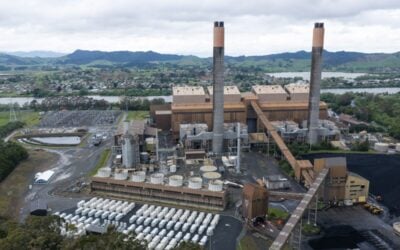
Located at the former Munmorah coal-fired power station site near Budgewoi, the facility monitors 36 transmission lines in real time and responds within seconds to grid disturbances.
Akaysha Energy CEO Nick Carter described the transformer incident as a “catastrophic failure” in an internal memo, highlighting the severity of the technical issue that has reduced the project’s operational capacity by more than half.
The scheduled shutdown is part of routine maintenance and has been coordinated with AEMO and Transgrid for several months.
It will affect the project’s current 350MW operational capacity during a critical period for Australia’s electricity system. The timing coincides with increasing summer demand patterns and ongoing challenges in managing renewable energy intermittency across the National Electricity Market (NEM).
Akaysha Energy expects the battery storage system’s remaining capacity to return online during 2026, according to a spokesperson.