A new report co-authored by energy expert Tony Seba predicts that the combination of solar and wind energy with batteries could undercut and disrupt the existing global energy system with “the cheapest power available” over the next decade.
The latest annually-published figures from financial advisory and asset management firm Lazard show that the on the levelised cost of energy storage (LCOS) continues to fall, with solar-plus-storage becoming increasingly price competitive.
Following our recent webinar on ultra-capacitors and the role they could play in the energy transition, Johan Söderbom, EIT InnoEnergy’s thematic leader for energy storage and smart grids, explains the deepening connection between wind power and ultra-caps.
Energy storage technology provider and system integrator Fluence has acquired Advanced Microgrid Solutions, the California company known for its artificial intelligence (AI)-driven optimisation software platform for energy storage and flexible generation assets.
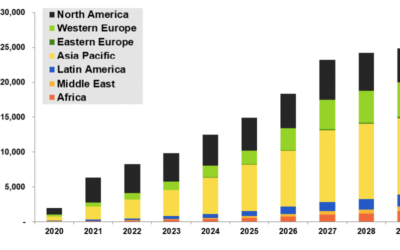
North America is currently leading the world for utility-scale energy storage deployments, but could be overtaken by the second-largest market, the Asia-Pacific region, as early as 2023, according to forecasting and analysis by Guidehouse Insights.
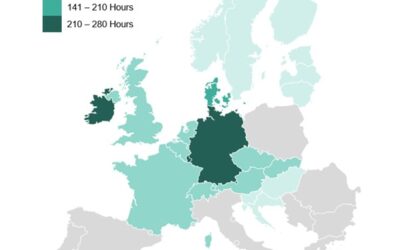
Energy storage including short duration and seasonal technologies ranging from lithium batteries to hydrogen could help mitigate the impacts of negative power prices in Europe, an analyst has said.
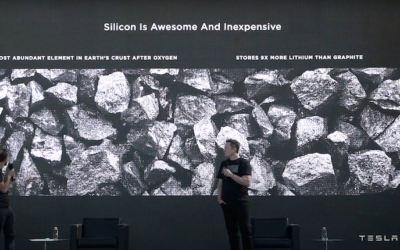
In this final piece of in-depth Battery Day coverage, let’s take a closer look at the technology, manufacturing techniques and value chain improvements Elon Musk and Drew Baglino talked about.
A multi-gigawatt co-location market looks set to take off within the next five years, however uncertainty over DC coupling, the need for costly symmetric grid connections and outdated regulatory frameworks risk stymying the market’s growth.
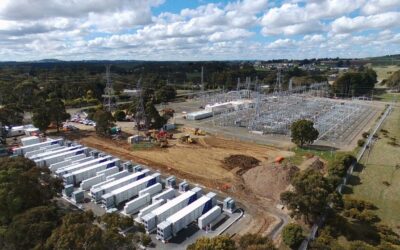
Reports into the performance of two large-scale battery energy storage systems (BESS) in the Australian state of Victoria have been published, showing that both performed as expected, or better, in 12 months of operation.
The market for grid-connected energy storage will defy the “headwinds” caused by the coronavirus pandemic on industries across the world, analysis firm IHS Markit has predicted.