Sodium-ion (Na-ion) is continuing to gain traction as a legitimate ‘major chemistry’ with CATL, BYD, and GM all committing to it. Some developers, within and outside the US Na-ion space have argued that greater policy support should be directed toward advancing the technology.
Alsym Energy, a US-based Na-ion battery energy storage system (BESS) developer, is a member of the American Battery Leadership Coalition, a group deliberately not named for a single chemistry.
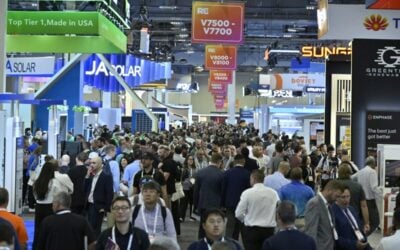
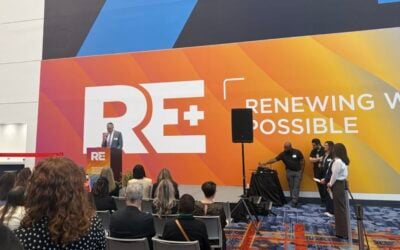
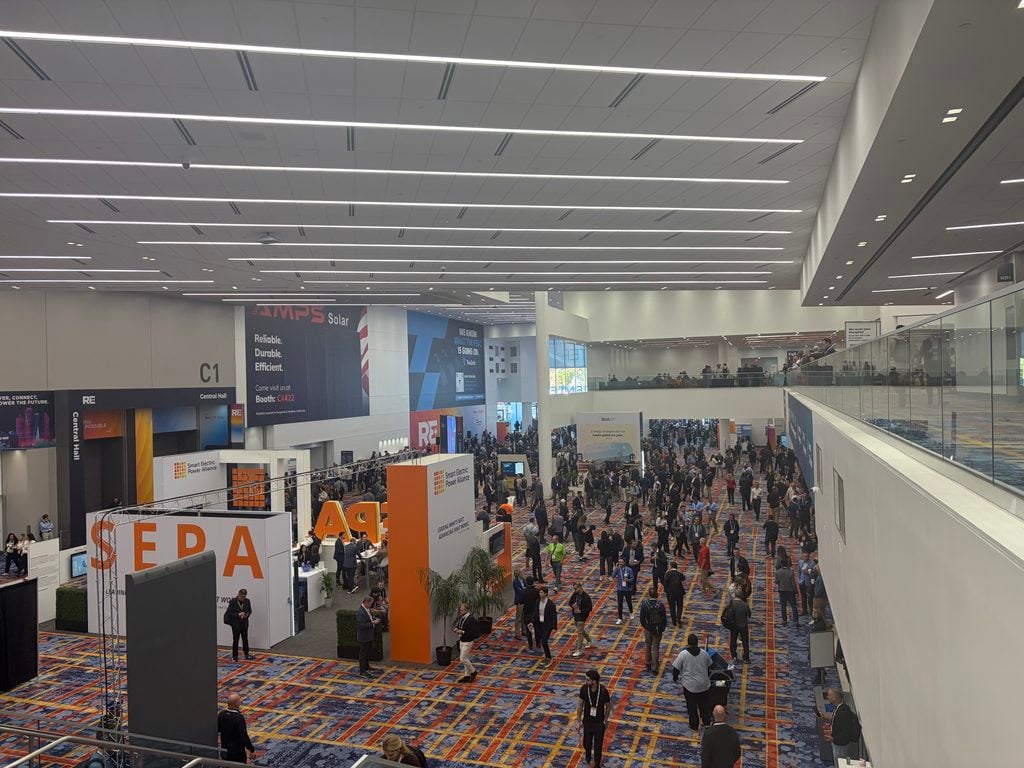
“The goal isn’t around a chemistry. The goal is, how do we have energy sovereignty? How do we be global leaders in batteries?” said Graeme Grant, Alsym COO, speaking with Energy-Storage.news at RE+ in Las Vegas, Nevada, US.
Alsym argues that the coalition’s core policy ask — the durability of credits such as 45X and 48E — is critical given the mismatch between battery manufacturing timelines and legislative cycles: “It takes one, two years to build (a factory), you don’t want them to come online only for tax credits to expire 18 months later.”
Try Premium for just $1
- Full premium access for the first month at only $1
- Converts to an annual rate after 30 days unless cancelled
- Cancel anytime during the trial period
Premium Benefits
- Expert industry analysis and interviews
- Digital access to PV Tech Power journal
- Exclusive event discounts
Or get the full Premium subscription right away
Or continue reading this article for free
Grant further stated that current credit structures are weighted toward the wrong end of the supply chain. Cell assembly credits run around US$35-per-kWh, against a cell that might sell for roughly half that — “that’s a big deal.”
Upstream credits for input materials, by contrast, cover only about 10% of cost: “It’s nice, but that’s not really going to move the needle.” Grant said this imbalance has already undermined the intended benefit of lithium iron phosphate (LFP) incentives domestically. Even with an American-assembled cell, “the graphite is still from foreign entity of concern (FEOC) origin, China. The LFP is from there. The technology is still from there. So we’re still hamstrung.”
Grant argued that Na-ion is where upstream investment could pay off, given the US’s rare structural advantage. Wyoming holds 85% of the world’s known natural sodium carbonate deposits in the form of trona, which is already mined at industrial scale for glassmaking and costs less than synthetic alternatives.
“These are existing mines at scale we could access right away,” he said, presenting this as an opportunity to build an Na-ion supply chain outside the Chinese-dominated network that currently constrains even domestically assembled LFP cells.
It could also help the US avoid repeating LFP’s history, wherein the chemistry was first commercialised in Massachusetts by battery and BESS developer A123, which went bankrupt and was acquired by Chinese firm Wanxiang. “We’re so used to being on our back foot. Sodium is a chance for us to lean forward and win,” Grant said.