A roundup of user-posted analysis, views and unofficial news from across the industry this past week, this time looking at this week’s sabotage attack on the German grid, BESS revenues and electricity market activity, CATL’s LFP price cut and various non-lithium news.
Three years after the EU Batteries Regulation (EUBR) entered into force, it is becoming easier to separate regulatory expectations from measurable market impacts, writes patent lawyer Chloe Flower.
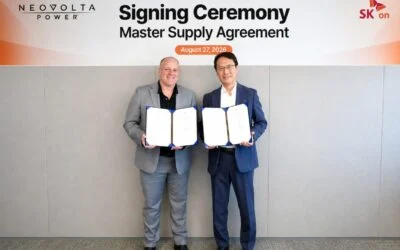
South Korean battery manufacturer SK On’s US production facilities will supply NeoVolta Power with 9GWh of lithium iron phosphate (LFP) pouch cells under a five-year deal.
China’s listed battery storage companies have entered the peak interim reporting season, with H1 2026 likely marking the broadest profit recovery in recent years.
Lithium-ion (Li-ion) battery cathode material producer Nano One has reaffirmed its strategy for addressing growing demand for lithium iron phosphate (LFP) cathode active materials outside China, focusing on a licensing-based approach through regional development company partnerships.
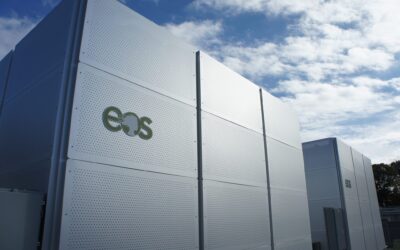
In this news roundup, Eos and WATTMORE; Gotion and Gamma Technologies; Middle River Power and PowerTransitions; and Electra AI and MinTech are advancing battery energy storage system (BESS) technology in the US.
US lithium-sulphur battery company Lyten is aiming to acquire another of Europe’s failed homegrown battery startups, Norway’s Morrow Batteries, which went into bankruptcy earlier this year.
The UK government has launched a new grant funding programme for energy storage technologies that can provide inter-day and seasonal energy shifting applications.