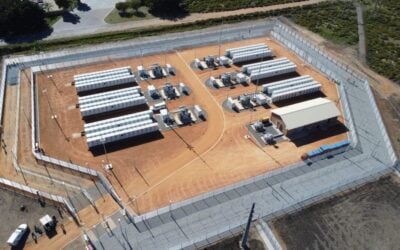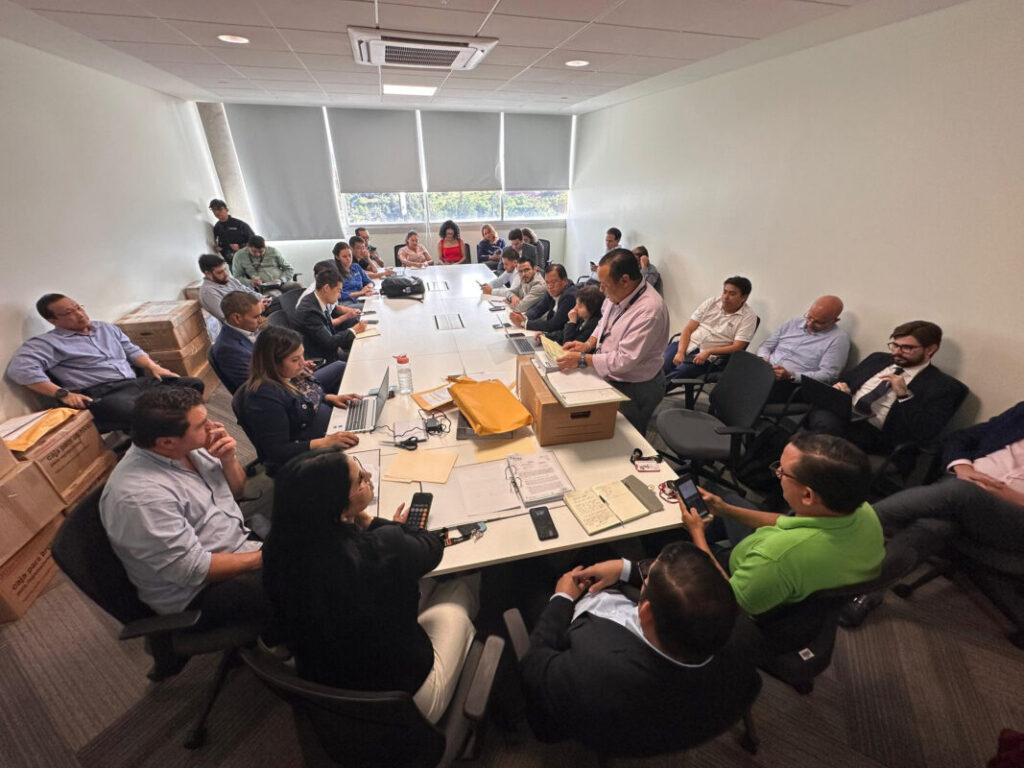
Last week (7 November) saw bids opened for a 75MW/300MWh BESS tender launched by the government of Honduras, in Central America.
The public event marked the opening of bids for the energy storage procurement, called LPI-001-ENEE-UEPER-2024, for the ‘Supply, installation, testing and commissioning of a battery energy storage system (BESS) with a capacity of 75MW/300 MWh at the Amarateca substation’.
The news was posted on X (formerly Twitter) by secretary of state for energy Erick Tejada Carbajal, who said it is “probably the most ambitious energy storage project planned so far in Central America”.
Honduras has around 750MW of installed variable renewable energy generation capacity, which meets around a quarter of its needs, and that needs to be shifted into the evening and night periods of high demand.
Try Premium for just $1
- Full premium access for the first month at only $1
- Converts to an annual rate after 30 days unless cancelled
- Cancel anytime during the trial period
Premium Benefits
- Expert industry analysis and interviews
- Digital access to PV Tech Power journal
- Exclusive event discounts
Or get the full Premium subscription right away
Or continue reading this article for free
Six separate companies have submitted bids to build the 4-hour BESS project, and it will be implemented next year after evaluation and award phases are completed, Carbajal said.
The Amarateca substation belongs to the National Company Of Electric Energy (ENEE), the country’s main utility.
The news follows the Electric Energy Regulatory Commission (Comisión Reguladora de Energía Eléctrica or CREE) launching a consultation in July this year to change its electricity market framework to enable the integration of large-scale energy storage onto the grid. Renewable energy capacity growth has so far been limited by its transmission system operator (TSO) CND to ensure quality and security of supply.
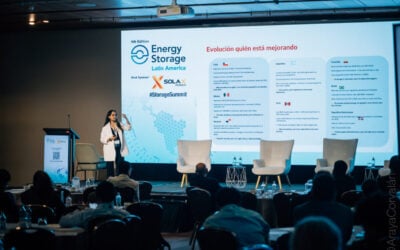
Energy-Storage.news heard at Solar Media’s recent Energy Storage Summit Latin America, in Chile, that a lack of regulation was the main thing holding back the energy storage market in the region.
The 368-page, Spanish-language LPI-001-ENEE-UEPER-2024 tender document has been uploaded to digital document library Scribd.