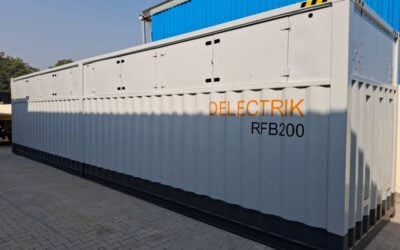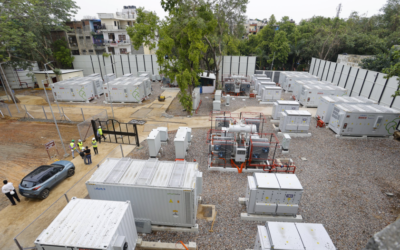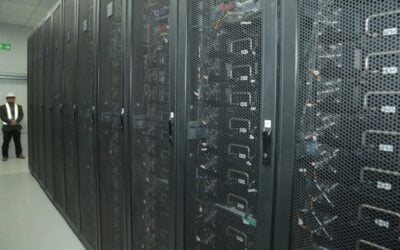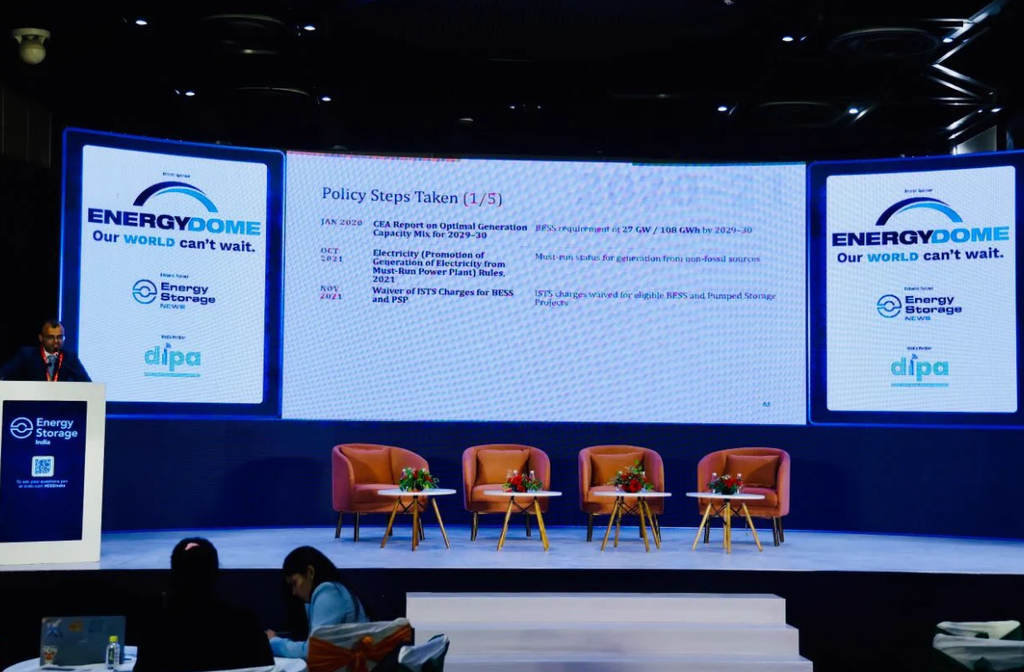
India has 5.3GWh of operational battery energy storage system (BESS) capacity, with a further 185GWh of projects under development, according to Prashant Bhamu, deputy director of integrated resources planning at the Central Electricity Authority (CEA), part of the Ministry of Power.
Speaking at the Energy Storage Summit India 2026, Bhamu said India’s energy storage market is moving from demand creation and tendering towards construction, commissioning and grid integration, with transmission connectivity, project delivery and domestic manufacturing among the priorities for the next phase of deployment.
According to him, India’s installed power generation capacity stood at around 560GW, including approximately 310GW of non-fossil fuel capacity. Bhamu said the country has increased its target for non-fossil fuel capacity to 60% by 2035 and that the share has reached around 55%.
The CEA’s long-term resource adequacy planning points to a requirement for 888GWh of energy storage by 2035-36, he said, comprising around 80GW of battery storage and 94GW of pumped hydro storage capacity.
Try Premium for just $1
- Full premium access for the first month at only $1
- Converts to an annual rate after 30 days unless cancelled
- Cancel anytime during the trial period
Premium Benefits
- Expert industry analysis and interviews
- Digital access to PV Tech Power journal
- Exclusive event discounts
Or get the full Premium subscription right away
Or continue reading this article for free
The figures reflect the growing role of storage in integrating variable renewable energy generation, meeting peak demand and providing grid services as India expands its solar and wind capacity. The CEA estimates India will need 236GWh of storage by 2031-32.
Government support expands storage pipeline
Bhamu outlined a series of policy interventions intended to establish energy storage as a commercially viable part of India’s electricity system, including viability gap funding (VGF), transmission charge waivers, energy storage obligations and procurement frameworks for battery and pumped hydro projects.
Under the government’s battery storage VGF scheme, an initial budget allocation of INR 90 billion (US$947.6 million) supported the deployment of 13.2GWh of battery storage, compared with an initial expectation of 4GWh as costs declined, Bhamu said. The central government provided capital grants of approximately INR 37.6 billion.
He also cited a separate 30GWh battery storage scheme supported through the Power System Development Fund (PSDF). Together, the two schemes supported 43.2GWh of battery storage capacity, according to the figures presented in his address.
The government has also identified enabling infrastructure for pumped hydro storage, including roads, bridges and transmission lines, to help reduce project costs. Bhamu said these measures could benefit approximately 15GW of pumped hydro projects.
Other measures include granting infrastructure status to battery and pumped hydro storage, providing a legal framework for energy storage as an independent service and establishing procurement guidelines intended to encourage competitive bidding.
Bhamu said the government had increased energy storage obligations for distribution utilities from 1% to 4% of their electricity demand, while the CEA had advised that upcoming renewable energy tenders include co-located storage of up to 10% of renewable capacity, with two hours of storage duration.
Transmission connectivity and cancelled bids remain challenges
Despite the expansion of the project pipeline, Bhamu identified cancelled tenders and developers withdrawing from projects after submitting aggressive bids as challenges for the market.
He said some developers had offered prices that were difficult to sustain or their projects lacked the required grid connectivity, resulting in projects failing to progress after the bidding stage.
To address the connectivity constraint, the Ministry of Power has identified around 30GW of transmission connectivity available during non-solar hours, Bhamu said. Developers could use this capacity to connect projects without applying for new connectivity, potentially reducing delays in bringing storage online.
The government has also introduced battery storage safety provisions and construction standards, which Bhamu said were intended to standardise project design, protection and operating requirements. He said the standards would take effect from April 2027.
Domestic manufacturing and new storage schemes
Bhamu said the government was also seeking to develop domestic manufacturing capacity across the battery storage value chain, including advanced chemistry cells (ACC).
He cited a recently floated tender for 10GWh of battery storage manufacturing capacity under a production-linked incentive framework, aimed at strengthening domestic supply and reducing reliance on imported technology.
A green energy corridor scheme covering intra-state transmission development will also support 50GWh of co-located battery storage, with implementation targeted for 2032-33, he said.
The government has separately published a roadmap for approximately 100GW of pumped hydro storage projects, with provisions intended to support financing, manufacturing and approvals.
Distributed storage emerges as the next market
Bhamu said the next phase of growth would increasingly involve storage deployed at distribution and consumer level, rather than being concentrated solely in large, utility-scale projects.
Potential applications include battery systems at substations and distribution feeders to improve asset utilisation and defer transmission and distribution investment. Storage at commercial and industrial facilities could also provide grid support and help manage consumption during peak-demand periods.
He cited time-of-day tariffs as one mechanism that could encourage consumers to charge storage systems during solar hours and use the stored electricity during more expensive evening periods.
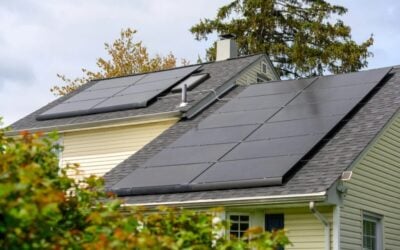
The government is also considering policy measures to encourage rooftop solar paired with storage, alongside options for aggregating distributed storage through cloud-based energy storage and distribution system operators.
Bhamu said storage would increasingly be required across the generation, transmission, distribution and consumption segments of the electricity system as India continues to expand renewable energy capacity.
With operational battery capacity now measured in gigawatts and a substantial project pipeline under development, the focus, he said, is shifting towards ensuring that tendered projects secure connectivity, reach construction and deliver the grid services required by the power system.