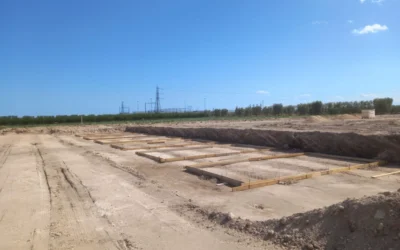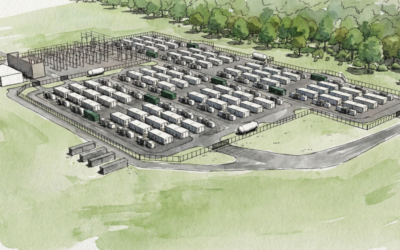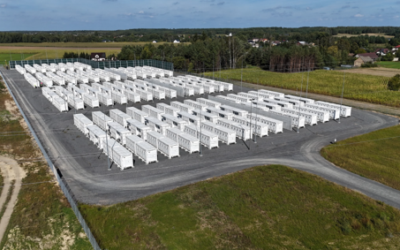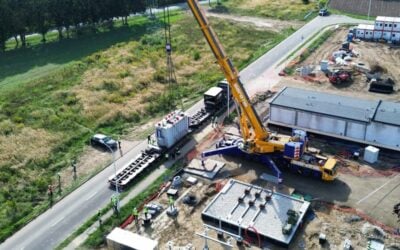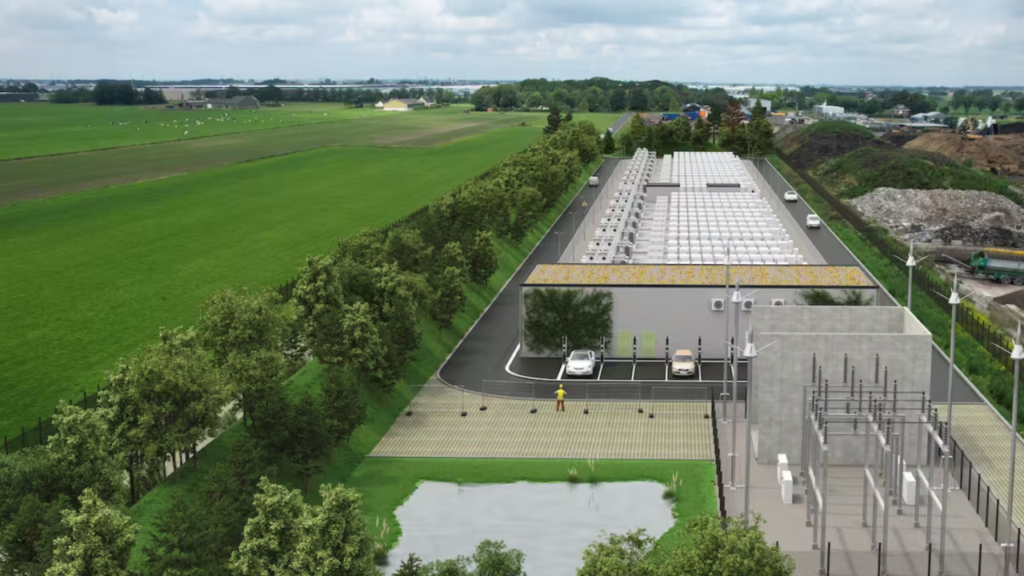
BESS owner-operator Return has put its 100MW/200MWh Antares project in the Netherlands into commercial operation, the largest to have reached that stage in the country as far as we know.
The project in Waddinxveen is now fully operational on the Dutch grid via a connection to the 150kV grid operated by TSO TenneT, Return said this week (5 October).
Locally-headquartered system integrator Alfen provided the battery energy storage system (BESS) technology while Sweden-based power firm Vattenfall is its key long-term offtaker. Return secured project finance from ING in April last year.
Although not claimed by Return, the Antares project appears to be the largest BESS in the Netherlands to have reached full commercial operations.
Try Premium for just $1
- Full premium access for the first month at only $1
- Converts to an annual rate after 30 days unless cancelled
- Cancel anytime during the trial period
Premium Benefits
- Expert industry analysis and interviews
- Digital access to PV Tech Power journal
- Exclusive event discounts
Or get the full Premium subscription right away
Or continue reading this article for free
The previous one was a 45MW/90MWh BESS energised earlier this year by IPP Dispatch. That had superseded Return’s own 30MW/68MWh Pollux project, deployed under its platform SemperPower in 2023 (which has since been folded into the Return brand).
Several much larger projects are currently under construction in the Netherlands, which has a growing renewables pipeline and one of the most congested grids in Europe. These include 800MWh projects from Return and tank storage company Vopak and 1GWh+ ones from BESS platform Giga Storage and German power firm RWE.
Return also has a 1.4GWh project also originally developed by a subsidiary Lion Storage, but which has since been folded into Return.
The grid-scale storage market in the Netherlands lagged behind its European neighbours for several years before maturing in 2023/24 onwards, enabling the deployment of projects of this scale. Part of that was a grid fee reform, but the falls in BESS capex and increasing familiarity with the technology among financiers and stakeholders also had a role to play.