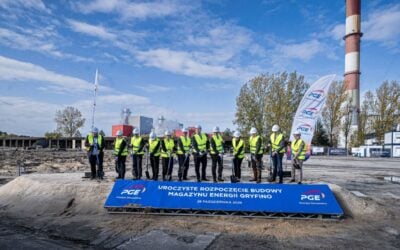
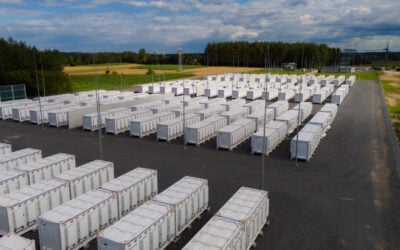
IPP Greenvolt has agreed to sell two BESS in Poland to A&R, PGE Group has started building an 800MWh one, while SC Holding, Tauron and Tavion have launched projects into the country.
As BESS projects grow more complex, so does the question of what ‘purpose’ even means in a construction contract, writes contracts lawyer Suriya Ashok of Clyde & Co.
Owner-operator Giga Storage has finalised financing for the construction of its 350MW/1,400MWh Albatross energy storage project near Neuenkirchen in Lower Saxony, Germany.
Aurora Energy Research has launched a forecast service to help investors and developers assess the commercial case for battery storage in the Philippines.
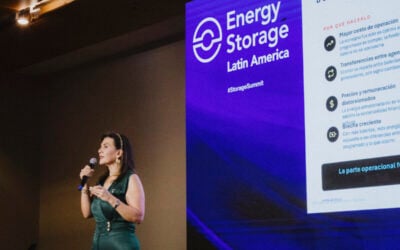
Ana Lía Rojas, executive director at the Chilean renewable energy and energy storage association (ACERA) gave the opening keynote of Energy Storage Summit Latin America 2026 and spoke about Chile’s current BESS market.