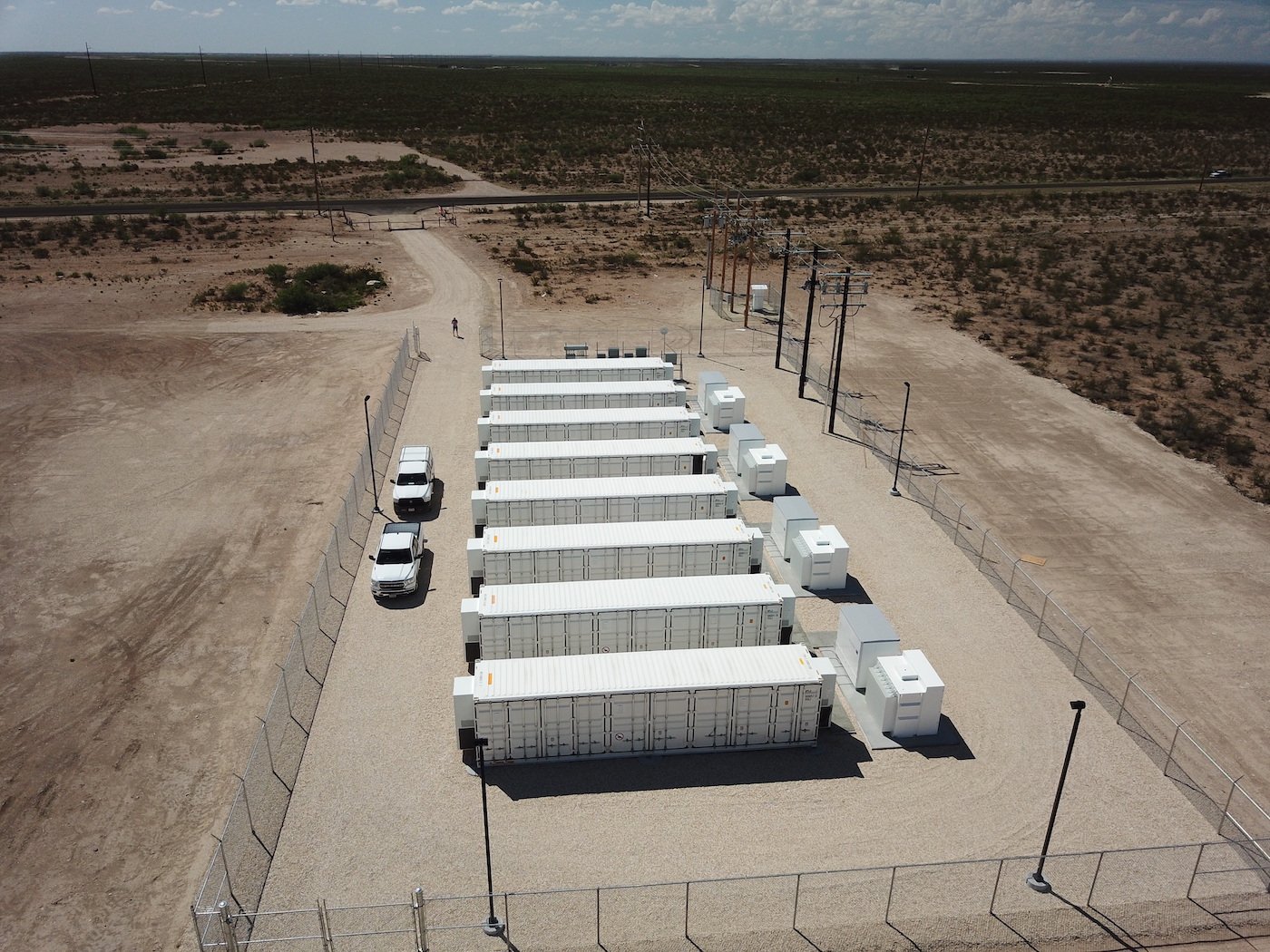
An energy storage project pipeline of 500MW in Texas’s ERCOT market is being developed by Dallas-headquartered distributed energy resources developer and operator Hunt Energy Network.
Hunt Energy Network said that the pipeline consists of distribution-level resources and that 100MW of its projects are already at “advanced stages of development,” and targeted to be in operation by Q1 2022. The remaining 400MW are expected to be commissioned over the following three years.
The company is a subsidiary of disruptive energy technologies investor Hunt Energy Enterprises, which is in turn part of a larger group of family-owned companies involved in everything from oil & gas exploration to private equity investment. Hunt Energy Network is executing the projects through a new venture which it has formed in collaboration with global asset and wealth management group Manulife Investment Management.
“This new venture combines an experienced organisation deeply rooted in the Texas energy markets with an investor with a track record of successful long-term partnerships. This is good news for Texas’s grid reliability and for the broader, rapidly growing energy storage industry,” Patrick Norton, managing director of investment bank Javelin Capital, which advised Hunt Energy Network on the deal, said.
Try Premium for just $1
- Full premium access for the first month at only $1
- Converts to an annual rate after 30 days unless cancelled
- Cancel anytime during the trial period
Premium Benefits
- Expert industry analysis and interviews
- Digital access to PV Tech Power journal
- Exclusive event discounts
Or get the full Premium subscription right away
Or continue reading this article for free
The Hunt Energy-Manulife venture will be called HEN Infrastructure and will manage as well as develop the portfolio, and Hunt Energy Network’s proprietary platform, called TraDER, will dispatch the assets into the ERCOT market.
The platform creates data-driven strategies for siting projects and optimising assets in competitive markets and will automate the energy storage systems’ trading and settlement activities. Acting as fast-responding generation and load resources within the ERCOT power market, they will help balance supply and demand of power across the ERCOT grid, which serves more than 80% of Texas.
“The open power market of Texas is a magnet for innovation. Our team is ready to speed the day when reliable electricity becomes more decentralised, more decarbonised, and more democratised,” Hunt Energy Network CEO Pat Wood said.
ERCOT market exemplary of the need for storage at all levels
The ERCOT market has already become a magnet for investors and developers looking to deploy front-of-meter transmission level battery storage over the past year or two, with the market’s “energy only” design offering energy assets the ability to play into services opportunities like frequency regulation, if they are willing to accept a level of merchant risk. That helps with the day-to-day balancing of the grid, particularly as renewable energy penetration increases, and could help keep parts of the grid online and help assets come back online in outage events.
ERCOT has been in the headlines recently for the energy crisis caused by extreme cold weather that hit parts of the US including Texas in February and left millions of people without power for up to a week. Unweatherised electricity generation and transmission equipment went offline and grid operators were forced to also take a large portion of customer load offline to prevent the entire network from crashing.
At this week’s sessions of the Energy Storage Summit USA 2021, a panel of investors in the clean energy and renewables sector heard that the crisis proved the value of battery storage, particularly distributed models, which speakers said have a “crucial role to play” in keeping the grid stable.
Texas’ devastating crisis a month ago continues to provide strong talking points across many angles for energy storage: in a recent blog for this site, a team from Form Energy, a startup technology provider developing a long-duration battery with as much as 150 hours of discharge duration argued strongly for the role of multi-day energy storage in ensuring the situation is not repeated. In another Guest Blog, analyst Ricardo F. Rodriguez at Guidehouse Insights said the energy crisis also exposed shortcomings and vulnerabilities in Texas’ infrastructure, which battery energy storage could mitigate.