Demand for electricity is growing in Ontario for the first time since 2005, and a new plan from the Canadian province sees a diverse low carbon energy portfolio as the answer.
The Powering Ontario’s Growth plan sees the development of long-duration energy storage (LDES) resources such as pumped hydro energy storage (PHES) as pivotal to ensuring efficiency of the grid, energy minister Todd Smith said.
The province’s electricity demand has remained largely flat for decades, but factors including electrification of transport, buildings and heavy industry, as well as nuclear and fossil fuel power plant retirements and meeting Canada’s net zero goals are set to change that.
Projections from the Independent Electricity System Operator (IESO), which operates Ontario’s electricity networks as well as its wholesale market, see a need to more than double the generation capacity from 42GW today to 88GW in 2050.
Try Premium for just $1
- Full premium access for the first month at only $1
- Converts to an annual rate after 30 days unless cancelled
- Cancel anytime during the trial period
Premium Benefits
- Expert industry analysis and interviews
- Digital access to PV Tech Power journal
- Exclusive event discounts
Or get the full Premium subscription right away
Or continue reading this article for free
Action is already being taken with LT-1, the recent expedited procurement of 4,000MW of new electricity resources – including Canada’s biggest energy storage procurement to date – as a means of shoring up electricity supply margins in the latter half of this decade.
There have also been the announcements in the past few weeks of two new-build nuclear power plants. Ontario was able to quit coal in the mid-2010s, replacing it largely with gas.
The Powering Ontario’s Growth report acknowledges that nuclear and hydroelectric are currently the province’s lowest cost energy resources, with solar and wind contracts signed prior to 2016 being at above-market prices.
Procurements going forward will likely be cheaper, however, with the plan committing to holding competitive solicitations for wind, solar, hydroelectric, battery storage and biogas.
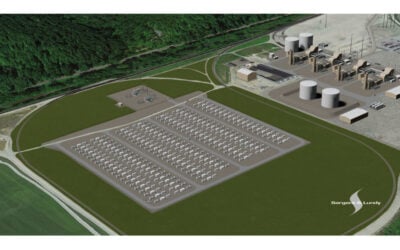
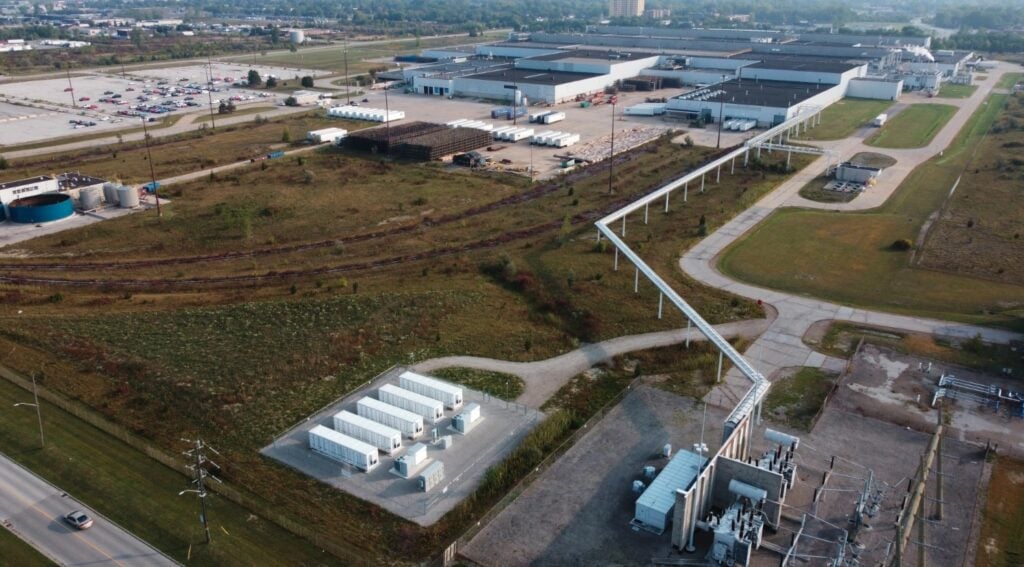
According to the report, from 228MW of grid-connected energy storage in 2023 – the vast majority of which was pumped hydro – Ontario will have 1217MW of mostly battery energy storage system (BESS) assets by 2026. Energy storage gets 27 mentions in the 86-page report.
Energy Storage Canada, the national trade association for the industry, stepped forward to applaud minister Todd Smith and the Ontario government in responding to the plan in a statement sent to Energy-Storage.news.
Highlighting for praise the recent and ongoing expedited LT-1 procurement (which includes “the largest storage specific procurement in Canada”), Energy Storage Canada executive director Justin Rangooni said the government “recognises the critical role clean energy storage resources must play in ensuring reliability, resiliency and helping to reduce Greenhouse Gas (GHG) emissions in Ontario’s electricity grid”.
“It is clear from Powering Ontario’s Growth that energy storage is quickly becoming a critical component of the province’s energy future,” Rangooni said.
“With 2,500MW of energy storage being procured through the IESO’s Resource Adequacy Framework, a renewed commitment to pumped storage, and additional opportunities to enable energy transition, Ontario is quickly becoming a leading jurisdiction for cleantech innovation globally. We applaud these efforts and look forward to continued collaboration with the province and its agencies to sustain a reliable, affordable, and clean energy system.”
Read Energy-Storage.news recent coverage of energy storage industry developments in Ontario here.