Update 14 July 2026: a spokesperson for QIC emailed Energy-Storage.news to comment: “As outlined in the Queensland Energy Roadmap, QIC was tasked with undertaking a full assessment of delivery options for the proposed Mt Rawdon, Big T, Capricornia and Borumba PHES projects, for consideration in 2026. Following extensive consultation, QIC has completed its assessment and is currently in the process of debriefing proponents.“
The Queensland government has reportedly shelved the proposed AU$6 billion (US$4 billion) Mt Rawdon pumped hydro project, ending state support for a mine-repurposing scheme that had attracted AU$50 million in government funding.
The decision, reported by ABC News, followed a review by Queensland Investment Corporation (QIC) that assessed four competing pumped hydro proposals, including the 2GW/20GWh Mt Rawdon project, the 400MW/4GWh Big-T project near Toowoomba, the 750MW/12GWh Capricornia site near Mackay and the 2GW/48GWh Borumba project south-west of Gympie.
According to reports, the 20GWh Mt Rawdon pumped hydro energy storage (PHES) project would not be prioritised by the state government. Construction was estimated to take seven years.
Try Premium for just $1
- Full premium access for the first month at only $1
- Converts to an annual rate after 30 days unless cancelled
- Cancel anytime during the trial period
Premium Benefits
- Expert industry analysis and interviews
- Digital access to PV Tech Power journal
- Exclusive event discounts
Or get the full Premium subscription right away
Or continue reading this article for free
Evolution Mining, which holds a 50% stake in the Mt Rawdon project alongside ICA Partners, had been working toward a final investment decision with state-owned energy company CleanCo, which had committed AU$50 million to the project.
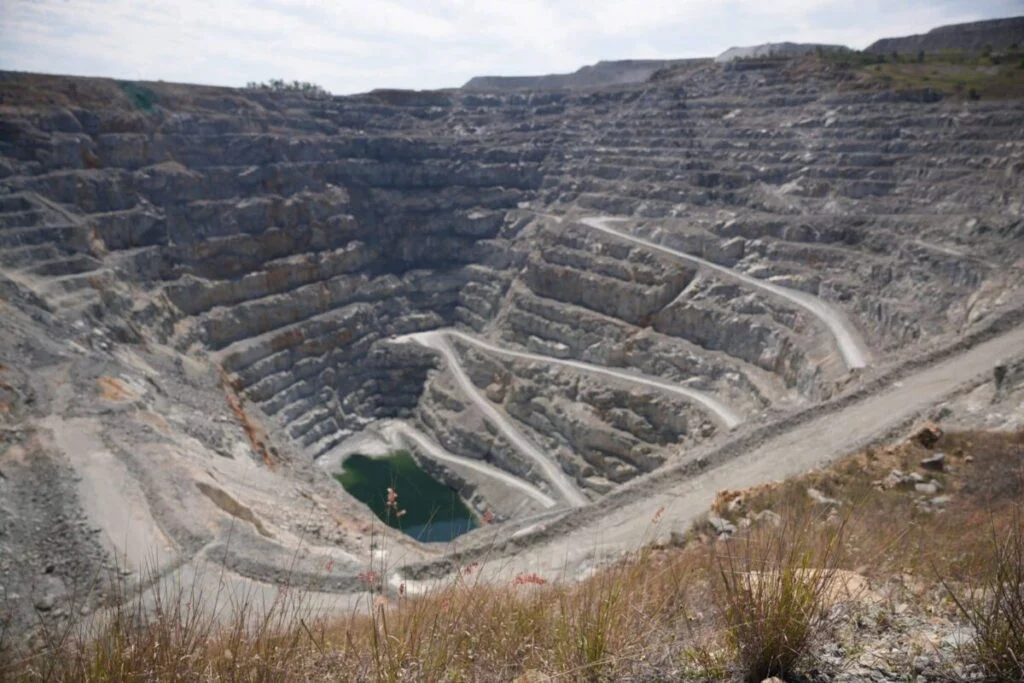
The Mt Rawdon site, located about 75km south-west of Bundaberg, was being developed to repurpose the open-cut pit of a gold mine that ceased processing operations in 2026 into the lower reservoir of a pumped hydro facility.
The cost gap that questions did not resolve
The reported shelving of Mt Rawdon in favour of the 2GW/48GWh Borumba PHES site has left unanswered questions about the basis for the government’s choice.
The cost gap between the two projects is substantial. The state’s 2026-27 budget committed AU$324 million to early works at Borumba, with total project costs estimated at approximately AU$18.4 billion.
Mt Rawdon, by repurposing existing mining infrastructure to avoid much of the civil engineering work required by a greenfield site, carried an estimated cost of around AU$6 billion, roughly a third of Borumba’s price tag.
Borumba’s trajectory into the 2026 decision had been turbulent. In December 2024, Queensland Hydro revealed the project’s cost had blown out by AU$4 billion to AU$18 billion and that first power would slip by three years to 2035, with less than a 1% chance of meeting the original 2030 target.
The state government responded by transferring Queensland Hydro’s oversight to QIC, the same body that has allegedly concluded Mt Rawdon should not proceed as a state priority.
The cancellation follows the Queensland government’s earlier decision to abandon the 5GW/120GWh Pioneer-Burdekin Pumped Hydro Project, once described as the world’s largest proposed pumped hydro scheme, citing costs estimated to impose an additional AU$15,653 per household.
Premier David Crisafulli has framed its energy policy in terms of “engineering and economics, not ideology,” a phrase used to justify both the cancellation of the Pioneer-Burdekin project and the now-controversial decision to commit to Borumba at its inflated cost rather than pursue the cheaper Mt Rawdon option alongside it.
Despite a rollback of pumped hydro projects, Queensland is continuing to support numerous energy storage projects across the state. Speaking exclusively to ESN Premium, QIC’s separate North West Energy Fund, which opened for proposals in June 2026, has taken a technology-neutral approach to long-duration storage.
QIC Infrastructure partner Arash Shojaie stated that the fund “would also welcome other long-duration storage and firming solutions where they can improve reliability and reduce delivered energy costs.”
That openness to long-duration storage in isolated networks, however, has not extended to state investment in the Mt Rawdon option.
Our publisher, Solar Media (part of Informa Group), will host the Battery Asset Management Summit Australia 2026 on 25-26 August at Amora Hotel Jamison in Sydney. You can find out more about the Summit on the official website.