The Bullawah Wind Farm has been approved by the NSW Independent Planning Commission (IPC).
The hybrid wind-plus-storage project is located in south-west New South Wales. Its approval clears a planning process that drew sustained opposition over more than two years.
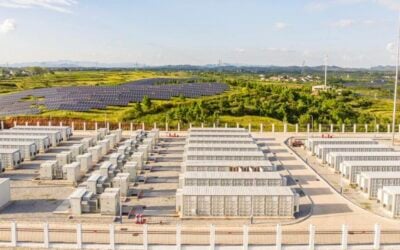
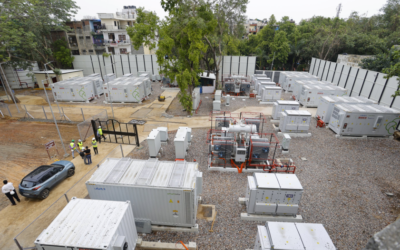
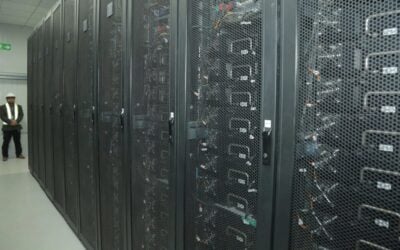
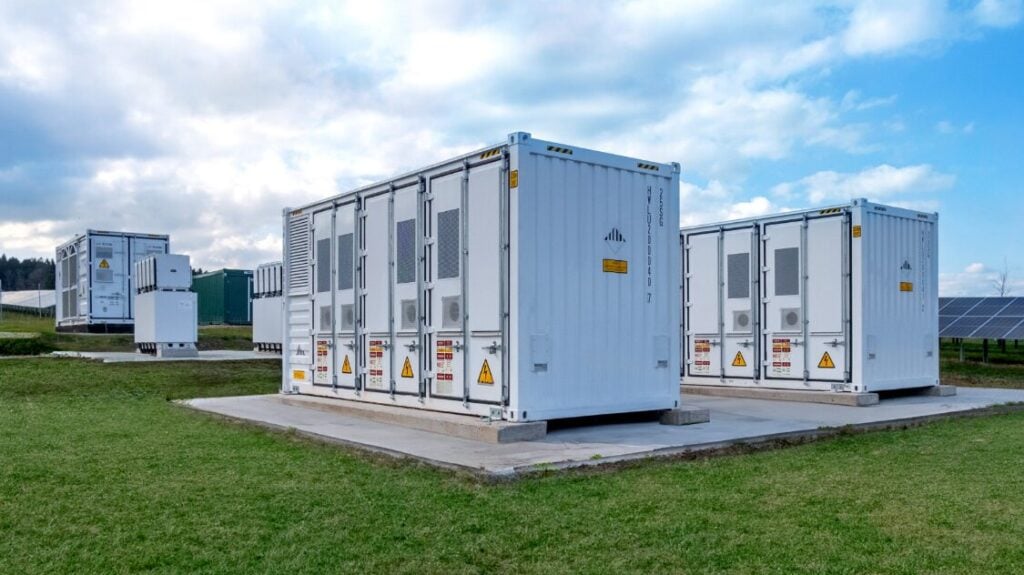
The project is proposed by BayWa r.e. Projects Australia. The Bullawah Wind Farm approval covers up to 804MW of wind generation from 141 turbines with a 300-metre tip height. It will be paired with a 358MW/718MWh battery energy storage system (BESS).
Germany-headquartered renewable energy developer, service provider and distributor Baywa r.e. is active in 34 countries. The company has brought more than 6GW of renewable energy online globally and manages around 12GW of assets. Its shareholders are BayWa AG and Energy Infrastructure Partners.
Try Premium for just $1
- Full premium access for the first month at only $1
- Converts to an annual rate after 30 days unless cancelled
- Cancel anytime during the trial period
Premium Benefits
- Expert industry analysis and interviews
- Digital access to PV Tech Power journal
- Exclusive event discounts
Or get the full Premium subscription right away
Or continue reading this article for free
The approval was announced on 2 October. It followed an assessment under a special ministerial ruling that placed the case before the IPC, with no right of appeal to the court. That mechanism was introduced after planning reforms aimed at preventing drawn-out legal challenges from parties outside the host community.
Bullawah is located around 28km south-east of Hay. It sits within the South West Renewable Energy Zone (REZ), spanning the Hay Shire, Murrumbidgee and Edward River local government areas.
The project is on the Traditional Lands of the Wiradjuri, Nari Nari and Yitha Yitha people. Traditional Owners are represented by the Griffith and Hay Local Aboriginal Land Councils.
The IPC’s approval comes with conditions. These cover the maintenance and upgrade of roads expected to carry heavy construction traffic, along with a requirement for BayWa r.e. to develop a management plan addressing impacts on the Plains-wanderer, a threatened grassland bird species that featured prominently in submissions opposing the project.
Bullawah’s 718MWh battery storage system scaled back from an earlier 2,000MWh design
The battery storage system component has been reduced substantially since the project’s initial design.
BayWa r.e.’s original proposal specified a 500MW/2,000MWh, 4-hour duration BESS. The approved version is a 2-hour system at 358MW/718MWh.
BayWa r.e. attributed the change in an EPBC referral variation to its own analysis of the storage capacity required for this section of the South West REZ.
The number of turbines was reduced over the same period, from 170 to 141. That cut the project’s physical footprint from just over 1,000 hectares to 656 hectares.
BayWa r.e. currently holds transmission access rights for only around 262MW of the project’s capacity in the REZ. Bullawah is therefore likely to be developed in stages, with the company flagging that it would pursue additional capacity if the surrounding grid infrastructure is upgraded.
EnergyCo, the NSW government body overseeing REZ delivery, confirmed Bullawah as one of four projects granted connection rights in the South West REZ’s inaugural competitive access process.
The other successful projects were Origin Energy’s Yanco Delta wind farm, Spark Renewables’ Dinawan Energy Hub and Someva’s Pottinger Energy Park. Together, the four represent 3.56GW of renewables and storage access rights.
Wind-plus-storage hybrids advance across NSW amid a widening project pipeline
Bullawah adds to a run of co-located wind and battery projects moving through New South Wales’ approvals system as the state works to replace retiring coal generation.
Goldwind Capital submitted its Milpulling Wind Farm for federal environmental assessment in June. That project pairs 600MW of wind with a 250MW/1,000MWh DC-coupled BESS within the Central-West Orana REZ, reflecting a similar move toward larger co-located storage components alongside wind generation.
Capital is also flowing into hybrid assets through acquisition and refinancing activity, not just new development.
Copenhagen Infrastructure Partners acquired full ownership of the 104MW Gawara Baya wind-plus-storage project in North Queensland from developer Windlab in August. That deal took the 408MW wind farm and its grid-forming battery component to financial close and into construction.
Squadron Energy completed a refinancing of its Australian portfolio in August, securing more than AU$2.7 billion in debt commitments structured specifically to build in flexibility for future battery storage and hybrid asset growth.
The company is pursuing its own wind-plus-storage projects elsewhere in the state, including an 1,800MWh development west of Gulgong that the IPC has also recommended for approval.
Never miss an Australian energy storage story. Sign up for our Australia newsletter and get the latest project announcements, policy updates and market analysis delivered directly to you.