Power company TransAlta has made an application to regulators seeking approval of a large-scale battery storage system in Alberta, Canada, which will be charged from hydroelectric generation.
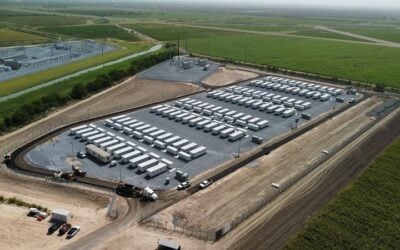
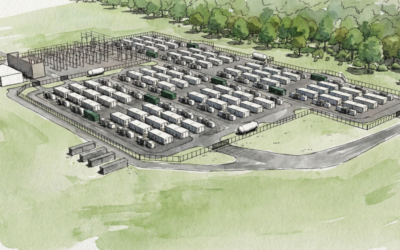
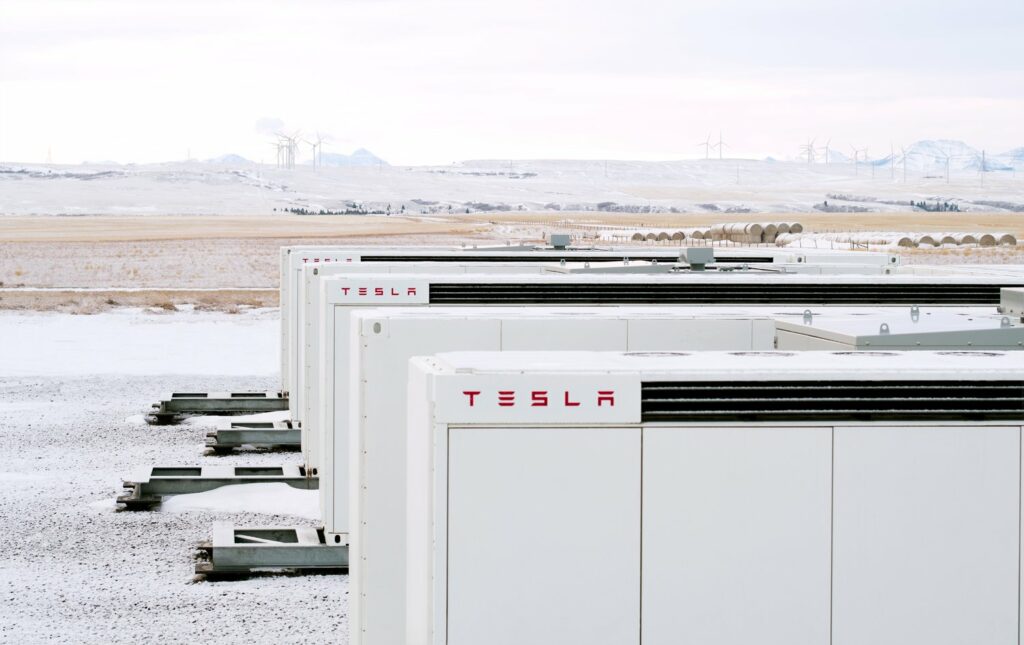
TransAlta’s project, called WaterCharger, would comprise up to 180MW of battery energy storage system (BESS) technology, deployed in two phases and charged with electricity generated at the company’s existing Ghost hydroelectric facility.
The company would own the BESS and hopes to get its initial phase up and running during 2023. TransAlta filed a Battery Storage Facility Application with the Alberta Utilities Commission on 21 January.
WaterCharger would help stabilise the Alberta grid and increase the usable share of renewable energy on it, TransAlta said. It will charge from the Ghost power station at times of low demand and then output to the grid at times of peak demand.
Try Premium for just $1
- Full premium access for the first month at only $1
- Converts to an annual rate after 30 days unless cancelled
- Cancel anytime during the trial period
Premium Benefits
- Expert industry analysis and interviews
- Digital access to PV Tech Power journal
- Exclusive event discounts
Or get the full Premium subscription right away
Or continue reading this article for free
It will be developed on private land owned by the power company on a 3 hectare site, with modular battery units mounted on concrete slab foundations. It will be connected to the hydro plant’s existing substation.
The company published an environmental evaluation report, environmental protection plan and noise impact assessment in December 2021 but said they remain subject to updates, with the latter two to undergo revision once a battery vendor company has been selected.
In Canada, the majority of battery storage development has been focused in Ontario, which has an electricity tariff structure called Global Adjustment that enables heavy industrial users of electricity to deploy behind-the-meter battery storage to reduce their peak use of electricity, for which they are charged a premium.
TransAlta subsidiary TransAlta Renewables brought online Alberta’s first grid-scale battery storage project, called WindCharger, in October 2020. As the name suggests, the 10MW/20MWh BESS charges from a wind farm in the province.
A few months before that, the Alberta Utilities Commission gave its approval for the province’s first-ever solar-plus-storage project. Since then, there have been a number of other developments in the region’s energy storage space: the grid operator Alberta Electric System Operator (AESO) announced a pilot procurement for fast frequency response ancillary services in late 2020 and in November last year the Alberta government offered financial support to a battery storage project and a pumped hydro energy storage (PHES) project.
In terms of battery storage at hydroelectric power plants, European utility RWE announced last year two projects totalling 117MW/128MWh of battery output and capacity at two run-of-river hydro plants in Germany. There are also three similar, albeit smaller, systems planned or in operation in Sweden, while energy storage technology company Fluence has built a 10MW BESS to act as a ‘virtual dam’ to a run-of-river hydro plant in Chile.