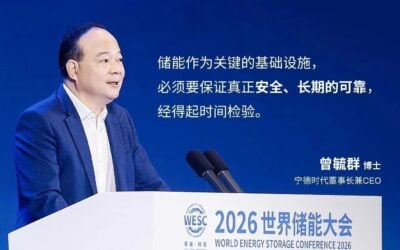
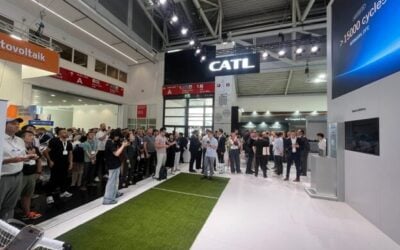
Energy storage is becoming an indispensable new-type power system infrastructure, CATL CEO and chairman Robin Zeng said in an industry speech last week.
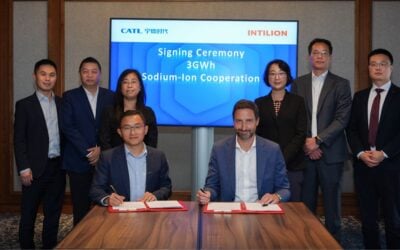
Intilion has just tied up with CATL for sodium-ion BESS deployments in Europe, following Alfen’s similar move in July, while Merus Power tells us it is in the process of integrating with the OEM’s new product.
Hithium’s recent sodium-ion battery and BESS product launch is the latest in a long line of announcements showing an inflection point for the battery chemistry. But how do its new products compare to other sodium-ion systems out there, and to its own LFP offering?
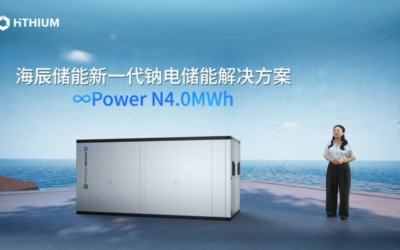
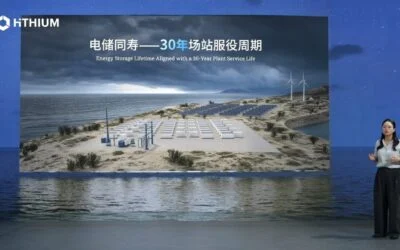
Hithium hosted a launch yesterday for its new sodium-ion (Na-ion) battery cell and energy storage system product line, promising a 30-year expected operational lifetime.
LFP is the de facto choice for the German BESS market today with sodium-ion still far from bankable, but that doesn’t mean choosing a supplier is necessarily straightforward.
A roundup of user-posted analysis, views and unofficial news from across the industry this past week, this time looking at this week’s sabotage attack on the German grid, BESS revenues and electricity market activity, CATL’s LFP price cut and various non-lithium news.