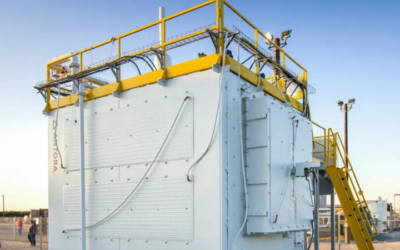
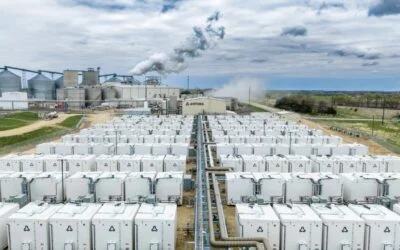
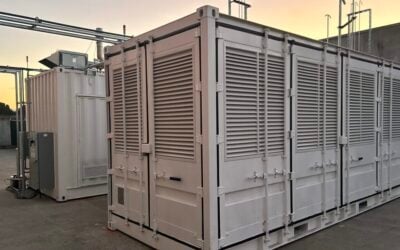
Thermal energy storage (TES) technology provider Antora Energy has announced a 5.8GWh “multi-day” TES project at Pratt Energy’s biorefinery in Pratt, Kansas, US.
The UK government has launched a new grant funding programme for energy storage technologies that can provide inter-day and seasonal energy shifting applications.
US ‘multi-day’ energy storage startup Noon Energy has made an agreement with renewables platform Sabanci Renewables, to deploy 1GW of Noon’s technology for AI infrastructure in the US.
What led Field to submitting, and winning, 16- to 18-hour BESS projects in the UK’s long-duration energy storage (LDES) cap-and-floor scheme, and what are the next steps? We hear from the firm’s technical director.
Long-duration energy storage (LDES) technologies are becoming increasingly viable options to add flexibility to the European electricity network, according to a new report.
California, US-headquartered thermal energy storage (TES) technology provider Antora has installed one of the world’s largest energy storage systems, in South Dakota.
US ‘multi-day’ energy storage startup Noon Energy has announced an agreement with Meta to reserve up to 1GW/100GWh of long-duration energy storage (LDES) capacity.