Lithium battery technology is rapidly enabling the electrification of transport, and of the energy sector. However, batteries themselves can often be seen as a short-lived commodity and as yet, recycling and reuse have not become major priorities in the industry. Dr Amrit Chandan, CEO of UK-headquartered Aceleron Energy discusses what it means to build a circular economy around advanced lithium-ion batteries, designed with longer lifetimes and their repurposing for second-life use in mind.
A €105 million (US$127.6 million) push to develop low-cost, environmentally-friendly lithium-ion battery technology by Sunlight, a designer and manufacturer of batteries headquartered in Greece, will receive €49.9 million in grant funding.
Ensuring high quality levels in the manufacturing of lithium-ion batteries is critical to preventing underperformance and even safety risks. Benjamin Sternkopf, Ian Greory and David Prince of PI Berlin examine the prerequisites for finding the ‘sweet spot’ between a battery’s cost, performance and lifetime.
Proposed updates to EU legislation on batteries that aim to address some of the issues associated with Europe’s supply chain have been welcomed by trade industry association RECHARGE, albeit with the suggestion that they may be too complex in their current form.
With dozens of massive new lithium-ion battery factories planned or already under construction in Europe, Panasonic and Equinor are investigating the potential for a “green battery business” in Norway.
Although lithium-ion is currently the market leading battery technology in energy storage, this status cannot be guaranteed in perpetuity. Three leading figures from the lithium-ion battery industry give Andy Colthorpe their views on how the technology can continue to prosper.
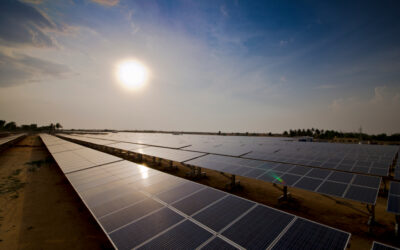
India’s government has agreed on a financing package that includes INR45 billion (US$603 million) of investment over five years to support the domestic development of high-efficiency PV modules.
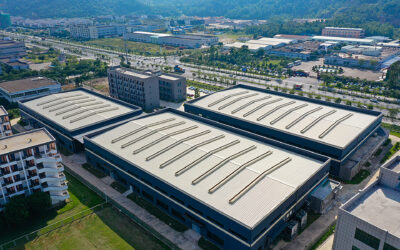
Saft has opened its third manufacturing site for energy storage systems (ESS) in Zuhai, China, adding to two existing “strategic hub” facilities in Bordeaux, France and in Jacksonville in the US.