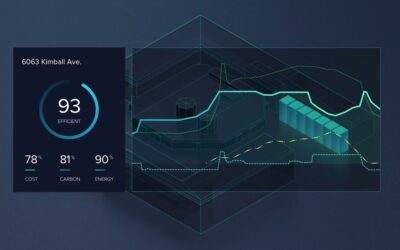
A contract with utility Southern California Edison (SCE) has led to Advanced Microgrid Solutions (AMS) supplying 2GWh of grid services from just 60MWh of energy storage during 2018, with one analyst dubbing the feat an “impressive milestone”.
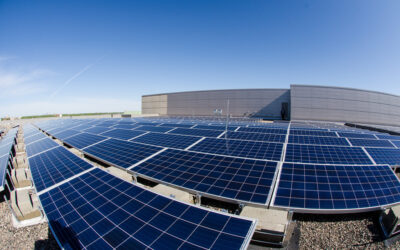
In the hierarchy of grid needs, peaking power is often a priority in terms of providing resiliency and balance to the network. This is usually provided by natural gas turbines, which come at a high environmental and economic cost. Andy Colthorpe charts the rise of the solar-plus-storage peaker plant.
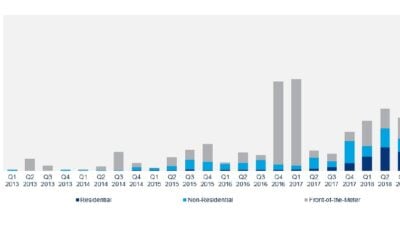
Energy storage enjoyed another record-breaking year of deployments in the US in 2018, while the residential segment is now “moving beyond early adopters” and into commercial viability, a report from Wood Mackenzie Power & Renewables claims.
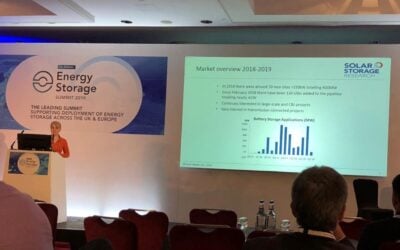
Following the fourth annual Energy Storage Summit hosted by Solar Media in London this month, Solar Media Market Research analyst Lauren Cook discusses recent trends in the UK market.
Legislators in Minnesota have begun the first steps to establishing fair or optimal market conditions for the deployment of energy storage, setting out rules for determining the value of storage to the network.
We hope you’ve enjoyed our series looking back on last year’s challenges, milestone and successes and looking ahead to a busy 2019. After featuring a range of views from industry participants and experts, now it’s my turn to throw out some predictions for the year ahead…
Cloud-aggregated virtual power plants using residential or C&I battery storage as part of a smart energy management system can benefit the grid, integrate renewables and EVs and hopefully add a powerful long-term value proposition for home storage. Andy Colthorpe and David Pratt report on how some of the UK’s first VPP projects are proving the concept.
Nevada could cost-effectively deploy between 750MW and 1,000MW of energy storage by 2030, according to an economic study commissioned by the state’s rulemakers to investigate the potential for the technology.
The US deployed 42% megawatts more energy storage in the second quarter of this year than in the first, with residential installations overtaking utility deployments for the first time.