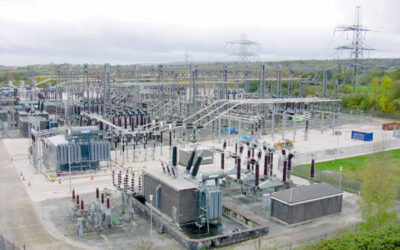
Investor-owned energy company National Grid, responsible for electricity and gas delivery in New York, Massachusetts and Long Island, will build a 5MW / 40MWh energy storage facility in Long Island with NextEra Energy.
Multinational utility Engie will install a 1MW / 4MWh Eos Energy Storage zinc hybrid cathode battery system in Brazil and is expected to “exercise the system to its operational boundaries”.
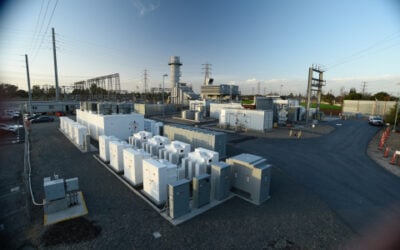
NextEra Energy Resources will build a 10MW lithium-ion battery storage system paired with a 20MW PV installation for Arizona utility Salt River Project, with another battery system on the way.
Projects that demonstrate how energy storage can benefit a wide range of stakeholders and the electric grid can compete for US$15.5 million of funding from the New York State Energy Research and Development Authority (NYSERDA).
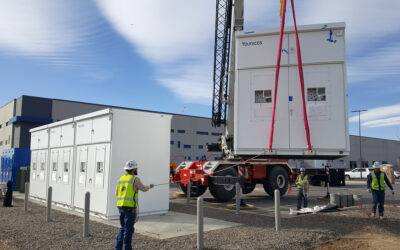
Work has been completed on a 1MW / 2MWh battery energy storage system for a ‘multi-resource microgrid’ in Denver, by Younicos and its project partners, Panasonic and utility Xcel Energy.
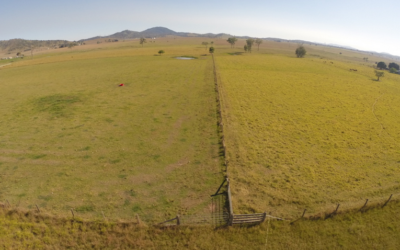
Queensland-based developer SolarQ is planning to build a 350MW(ac) solar plant combined with a ground-breaking 4,000MWh of lithium-ion battery storage in the Gympie Region of Queensland, Australia.
Tualatin, Oregon-headquartered Powin Energy has partnered with Eaton to deliver their 2MW expedited energy storage product which was procured to address the energy shortages the LA Basin faced as a result of the four-month long methane leak.
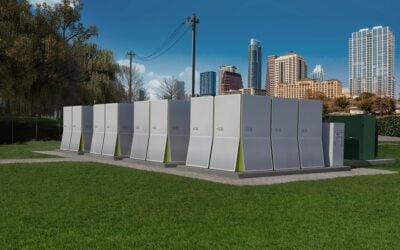
More than a tenth of a 250MW energy storage procurement by utility Southern California Edison will comprise of Ice Energy’s Ice Bear units, deployed in partnership with NRG Energy.
Clearly, renewable energy is now a viable alternative to traditional generation from a cost perspective. However solar and wind’s penetration of the grid is constrained by ageing infrastructure, high grid connection costs and their intermittent, weather-dependent nature. Scott McGregor looks at how long-duration energy storage on an industrial scale can help.