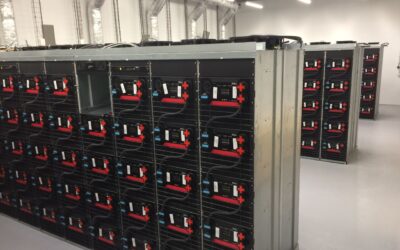
Swiss Green Electricity Management Group (SGEM), an investor in energy storage projects, has announced a 20MW / 10MWh battery storage system for PJM Interconnection’s frequency regulation market, to be supplied and built by Leclanché.
From the outside, the VPP looks like a single power production facility that publishes one schedule of operation and can be optimised from a single remote site. From the inside, the VPP can combine a rich diversity of independent resources into a network via the sophisticated planning, scheduling, and bidding of DER-based services. Peter Asmus examines the role energy storage can play within this architecture.
Energy company Tesla has revealed that it began to ship an updated version of its commercial battery storage solution last month, featuring doubled energy density.
A company offering solar-plus-storage systems for the residential market has introduced a set of controls that allow consumers to adapt to utility rates and legislative changes with the flick of a switch.
Chinese inverter manufacturer Sungrow has supplied its inverter and battery storage technologies to a large-scale solar-plus-storage microgrid project in a remote area of Tibet.
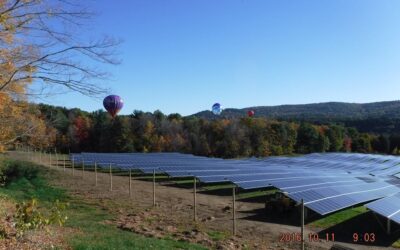
A solar power plant owned by Vermont utility Green Mountain Power saved the utility’s quarter of a million customers US$200,000 in one hour by drastically reducing peak demand.
Electricity storage and energy efficient products manufacturer, Powervault, has teamed up exclusively with Energy Storage News to offer readers the opportunity to win a 4kWh Powervault worth £3,000.
The Australian Renewable Energy Agency (ARENA) has committed up to A$18 million (US$13.7 million) in funding to build the first phase of a A$120 million solar-wind-storage project by Windlab and Eurus that will deliver renewable energy on demand.