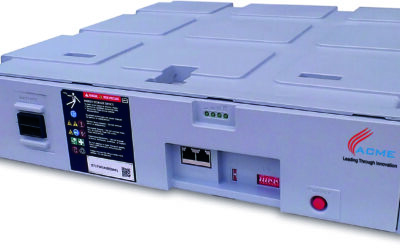
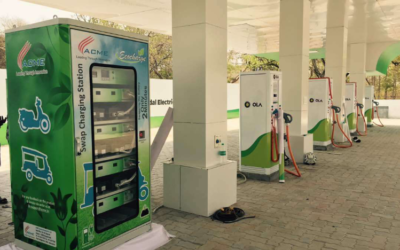
Battery manufacturing represents a “huge economic opportunity for India”, according to a draft ‘National energy storage mission’ (NESM) document, which outlines how the country could capture value across the supply chain and accelerate the country’s adoption of renewable energy.
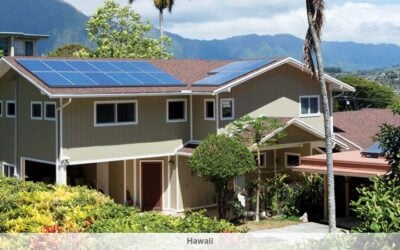
Hawaii has been a prolific installer of both rooftop solar and latterly batteries for energy storage and one of the US state’s smaller islands looks set to get its first ever grid-scale solar-plus-storage system.
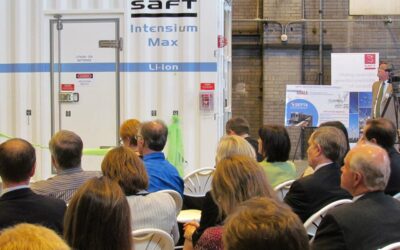
Minnesota electric cooperative Connexus Energy has confirmed recent press reports that it is building 15MW / 30MWh of battery energy storage, while another not-for-profit, Vermont Electric Cooperative, will build a 1.9MW / 5.3MWh system in its service area.
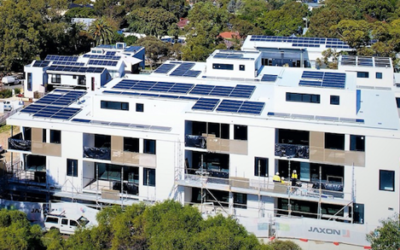
Cheap solar electricity will be traded between neighbouring residents in apartment blocks in Western Australia, enabling peer-to-peer trading of electricity in a project supported by the Australian Renewable Energy Agency (ARENA).
In response to Massachusetts Legislature passing a bill raising the state’s renewable energy standard and another encouraging clean energy and energy storage use during peak hours, solar and energy storage trade groups SEIA and ESA offered contrasting views.
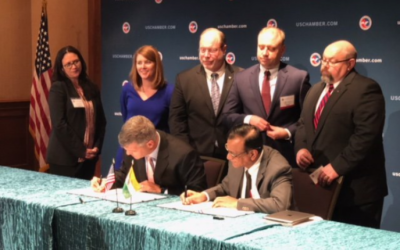
The U.S. Trade and Development Agency (USTDA) is supporting a 41MW hybrid solar-wind-storage project being developed by private Indian energy firm IL&FS Energy Development Company Limited (IEDCL) in the Indian state of Andhra Pradesh by providing a grant to aid the plant’s technical design and planning.
Solar Energy Corporation of India (SECI) has issued a tender for EPC of a grid-connected 2MWac solar PV project linked with 1MW / 1MWh of battery energy storage on government land at Kaza, in the mountainous state of Himachal Pradesh.
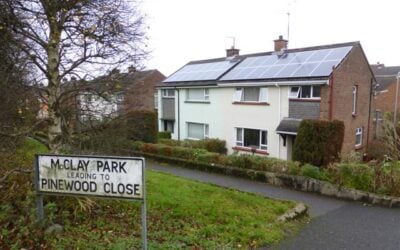
Homeowners in Ireland can now access grants worth hundreds of euros to fund the installation of solar and energy storage systems as the government launches its first micro-generation scheme for the technology.
India’s Goods and Services Tax (GST), a single tax applicable across the whole of the country, will be lowered for lithium-ion batteries by 10%, in a move which has been welcomed by the India Energy Storage Alliance (IESA).