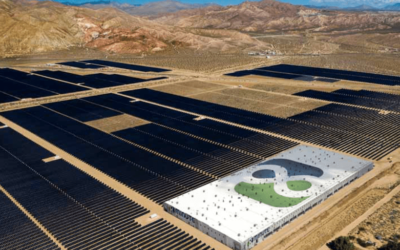
Major US renewables investor Capital Dynamics has spun off its US clean energy infrastructure arm and merged it with its former asset management affiliate to create Arevon Energy, a new multi-gigawatt solar and energy storage platform.
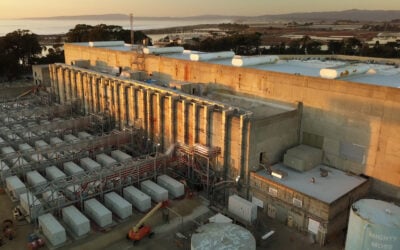
Augmentation at the Vistra Moss Landing Energy Storage Facility in California has been completed, with the world’s biggest battery energy storage system (BESS) now at 400MW / 1,600MWh.
It may be the height of summer but there’s no respite for the Solar Media Podcast, the new episode of which is packed full of insight as the US begins its clampdown on solar imports.
Users of US solar price comparison site EnergySage are increasingly drawn towards battery storage through concerns around having enough power in emergency situations, with 70% of users now requesting storage with their solar quotes.
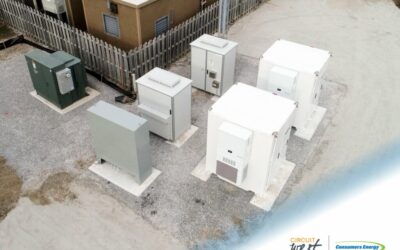
Electric utilities in Michigan are in agreement that energy storage offers multiple benefits to the customer and network, but uncertainty remains over how it can be introduced into market structures.
Canadian Solar has seen a “surge in demand for battery storage capacity,” CEO Dr Shawn Qu said, as the vertically-integrated solar PV company reported its latest quarterly financial results.
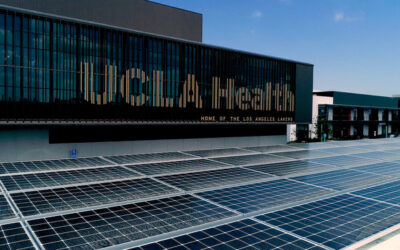
The California Energy Commission has approved rules that would require new buildings, including multi-family housing and commercial structures, to be equipped with solar and battery storage.
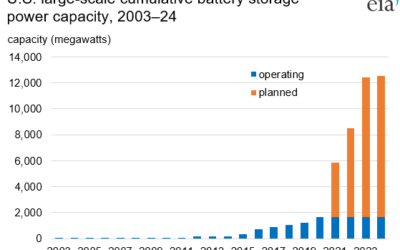
The cost of battery energy storage in the US fell by 72% between 2015 and 2019 and utilities in the country are set to bring 10,000MW of new grid-connected capacity online in the next two years.
Eos Energy Enterprises has a total order backlog for its zinc battery-based energy storage of 389MWh, worth nearly US$100 million, but expects to only be able to recognise US$5 million in revenues for 2021.