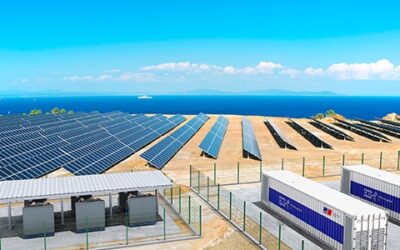
Microgrid projects on three different continents that include multiple megawatts of battery storage alongside renewable energy have been announced in the past few days from well-known industry players.
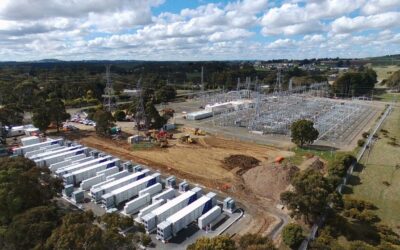
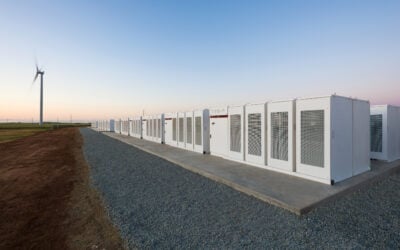
Reports into the performance of two large-scale battery energy storage systems (BESS) in the Australian state of Victoria have been published, showing that both performed as expected, or better, in 12 months of operation.
A lithium-ion battery energy storage system (BESS) supplied by French manufacturer and system integrator Saft has enabled a gold mine in Australia to meet more than 50% of its energy demand with renewable energy.
A series of smart energy projects in the town of Alice Springs in central Australia could be exemplary to the direction of travel for the energy transition across the country if successful.
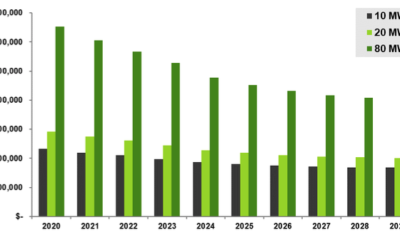
The market for grid-connected energy storage will defy the “headwinds” caused by the coronavirus pandemic on industries across the world, analysis firm IHS Markit has predicted.
Australian utility AGL is now inviting tenders to procure battery storage which will help it meet climate and sustainability goals – but the company expects to be economically dependent on coal as well as gas for years to come.
A selection of video replays from the Energy Storage Digital Series, hosted earlier this year by Energy-Storage.news’ publisher Solar Media are available on YouTube and have been compiled into a handy playlist.
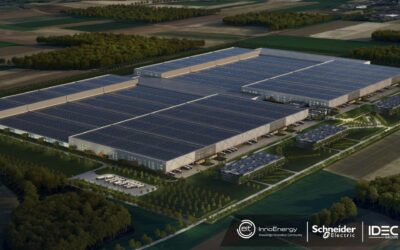
Lithium battery cells will be rolling off a production line at a 16GWh-capacity factory in France in 2023, with manufacturing startup Verkor then planning to scale up to 50GWh “in line with market dynamics”.
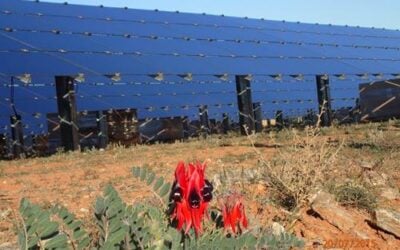
Western Australia will invest AU$56.3 million (US$40.11 million) in solar power as part of a new renewable energy plan designed to kickstart the state’s economy following the impacts of the COVID-19 pandemic.