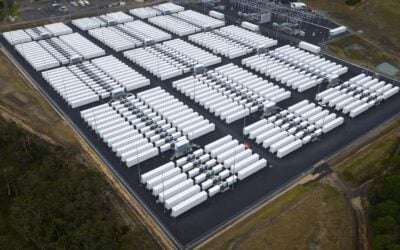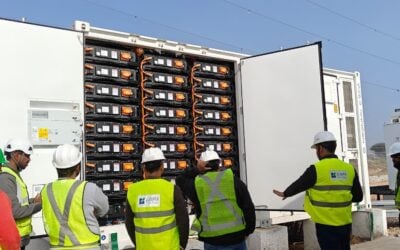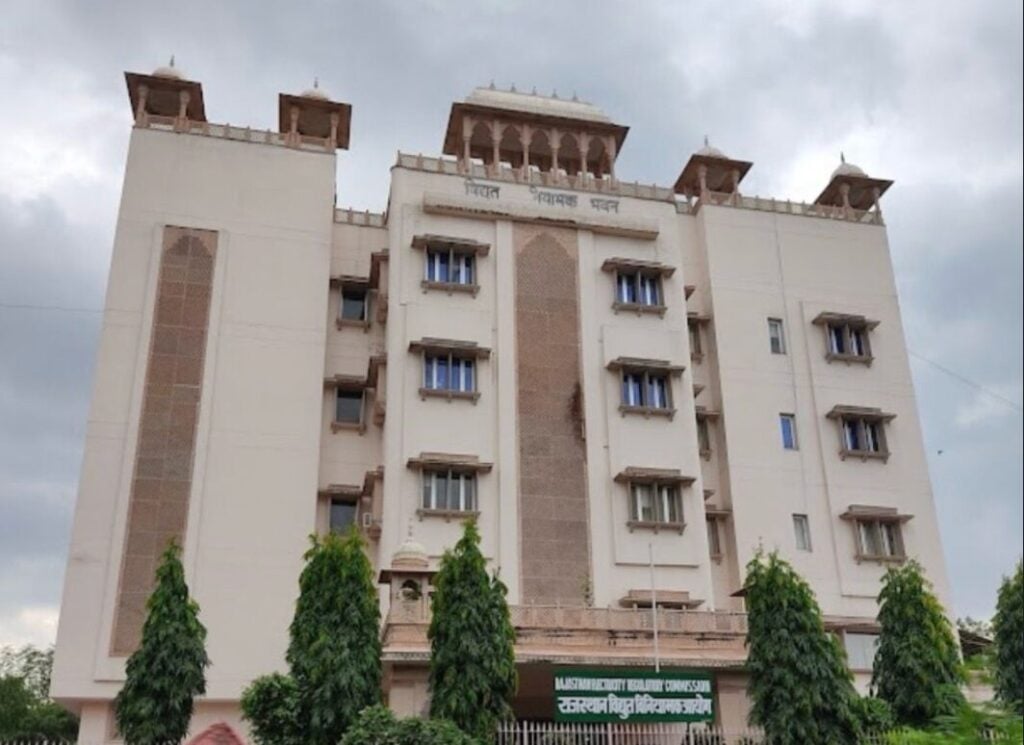
Following the recent notification, the Rajasthan government will develop 500MW/2,000MWh of standalone battery energy storage systems (BESS) with a four-hour single-cycle configuration and extended operational life.
The announcement comes after the Government of India amended its guidelines for implementing BESS under the Viability Gap Funding (VGF) scheme, granting states greater flexibility in project design.
The revised norms are expected to accelerate deployment and allow states to tailor projects to local grid and peak demand conditions. The move aligns with Rajasthan’s broader energy storage roadmap, which includes 6,000MWh of capacity already under various stages of implementation.
The state already has 4,000MWh under implementation in a two-hour, two-cycle format, and plans an additional 2,000MWh with a four-hour design. Officials said Rajasthan faced challenges executing the 6,000MWh capacity in the two-hour setup due to constraints in charging from solar during the second cycle, which did not align with the state’s demand curve.
Try Premium for just $1
- Full premium access for the first month at only $1
- Converts to an annual rate after 30 days unless cancelled
- Cancel anytime during the trial period
Premium Benefits
- Expert industry analysis and interviews
- Digital access to PV Tech Power journal
- Exclusive event discounts
Or get the full Premium subscription right away
Or continue reading this article for free
Ajitabh Sharma, principal secretary for energy in the Government of Rajasthan, said in a LinkedIn post that the state has opened its Notice Inviting Tender (NIT) for the Request for Selection (RfS) of bidders to develop a 500MW/2,000MWh standalone BESS project.
He noted that the tender follows the central government’s relaxation allowing a four-hour single-cycle configuration with an extended operational life. Sharma added that this marks the final phase of Rajasthan’s current 6,000MWh BESS development plan, with additional projects under planning across generation, grid, ancillary services, and market assets.
Issued by the Ministry of Power, the revised norms allow states and utilities to implement BESS projects with four-hour storage configurations, enabling tenders to be tailored to local grid and peak demand conditions. The move is expected to accelerate tender activity and optimise storage deployment across diverse regional demand profiles.
Vishal Kumar, under-secretary to the ministry, said, “In this regard, I am directed to convey that the states may implement the BESS projects in 2-hour/4-hour configuration while retaining the contractual right to utilise at least 63,000 cycles of BESS during the contract period.”
The order follows requests from states including Rajasthan, Kerala, Odisha, Bihar, and Chhattisgarh, which had sought deviations from existing norms for BESS projects implemented under the VGF scheme, supported through the Power System Development Fund (PSDF).
It comes as Solar Media, part of Informa, prepares to host its inaugural Energy Storage Summit India in Greater Noida, on the 31 October and 1 November, 2025.