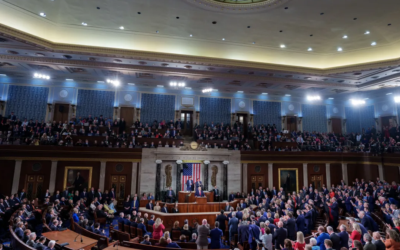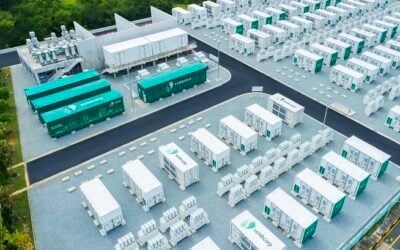
New York’s second competitive solicitation for large-scale energy storage has launched, seeking a gigawatt (1GW) of grid-connected resources.
New York State Energy Research and Development Authority (NYSERDA), which promotes and supports clean energy and energy innovation in the US state and runs its renewable energy and storage procurements, announced the solicitation last week (12 November).
Interested parties must first demonstrate their eligibility by filing a Step One Eligibility application with NYSERDA by 3pm on 15 December 2026. Successful applicants will then be invited into Step Two.
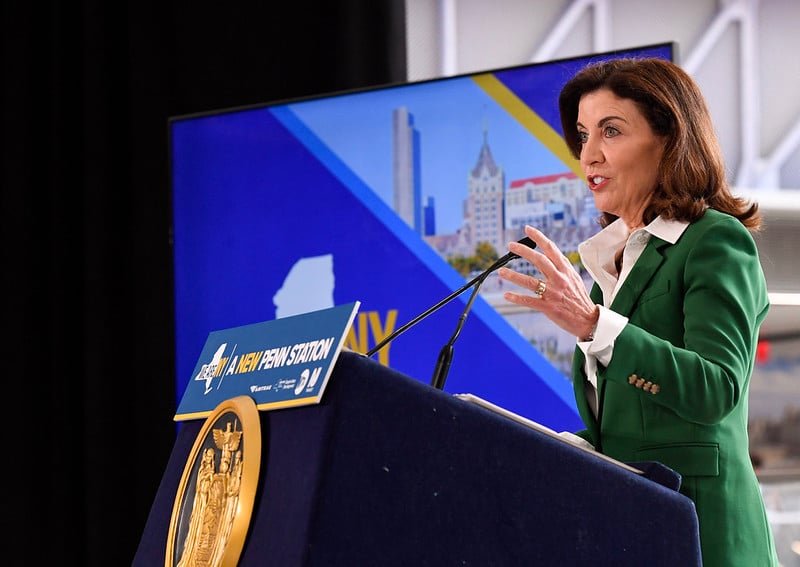
The solicitations aim to help New York meet its statewide target of deploying 6GW of energy storage by 2030 across all scales. The state had a target of 3GW by 2030 as part of the Climate Leadership and Community Protection Act legislation implemented by former Governor Andrew Cuomo, before current Governor Kathy Hochul doubled it in her State of the State Address at the beginning of 2022.
Try Premium for just $1
- Full premium access for the first month at only $1
- Converts to an annual rate after 30 days unless cancelled
- Cancel anytime during the trial period
Premium Benefits
- Expert industry analysis and interviews
- Digital access to PV Tech Power journal
- Exclusive event discounts
Or get the full Premium subscription right away
Or continue reading this article for free
‘Bulk’ is NYSERDA’s categorisation for utility-scale storage, meaning resources of 5MW output or above. Its other two categories are the self-explanatory ‘Residential’ and ‘Retail,’ the latter referring to distributed commercial and industrial (C&I) and community-scale resources.
The inaugural round of New York’s Bulk Energy Storage solicitation opened in July 2025 and selected 13 bids for battery energy storage system (BESS) projects. Announced in September, the selected bids totalled 719MW of the programme’s annual 1GW target.
Doreen Harris, NYSERDA CEO, said the solicitation launched last week demonstrated Governor Hochul’s commitment to advancing clean energy in the state by “putting affordability and reliability front and centre.”
“Energy storage reserves power when it is less expensive so that we can limit reliance on the most expensive power during peak hours – reducing the strain on our grid and delivering real cost savings to New Yorkers,” Harris said.
‘Missing money’ problem for owners and investors in New York
Three Bulk Energy Storage solicitations will be held in total, with the third launching in 2027. The programme was rolled out through the state’s second energy storage roadmap, published in 2022. A first roadmap in 2018 had successfully incentivised Retail and Residential deployments but struggled to get utility-scale development off the ground.
The core issue was that the regional grid and wholesale markets operator, NYISO, does not see the same sort of volatility in electricity pricing as, say, ERCOT in Texas, resulting in much smaller spreads through which BESS assets can buy low and sell high.
This issue of ‘missing money’ was explored in a 2023 article for our technical journal, PV Tech Power (ESN Premium subscribers can read the full piece),
NYSERDA VP for distributed energy, David Sandbank, discussed the situation at the 2022 edition of the RE+ US clean energy trade show. A new incentive scheme, he said then, would need to be feasible and ensure effective deployments, offering developers an upside while protecting New York ratepayers from high costs.
The incentive mechanism NYSERDA settled on, and the state approved, is called the Index Storage Credit. Developers bidding in the solicitation and NYSERDA agree on a strike price based on developer expectations and NYSERDA value modelling; any profits above the strike price are returned, and any profits below are kept.
Applicants to the Bulk solicitation should also note that one of the other significant barriers to energy storage development in New York is the state’s stringent Fire Codes. These were already among the most demanding in the US, particularly within New York City, but a spate of BESS fires a couple of years ago prompted a rethink of the codes through an interagency working group convened by Governor Hochul.
NY Green Bank (NYGB) will make financing options available to bridge funding gaps for developers and investors, NYSERDA said.