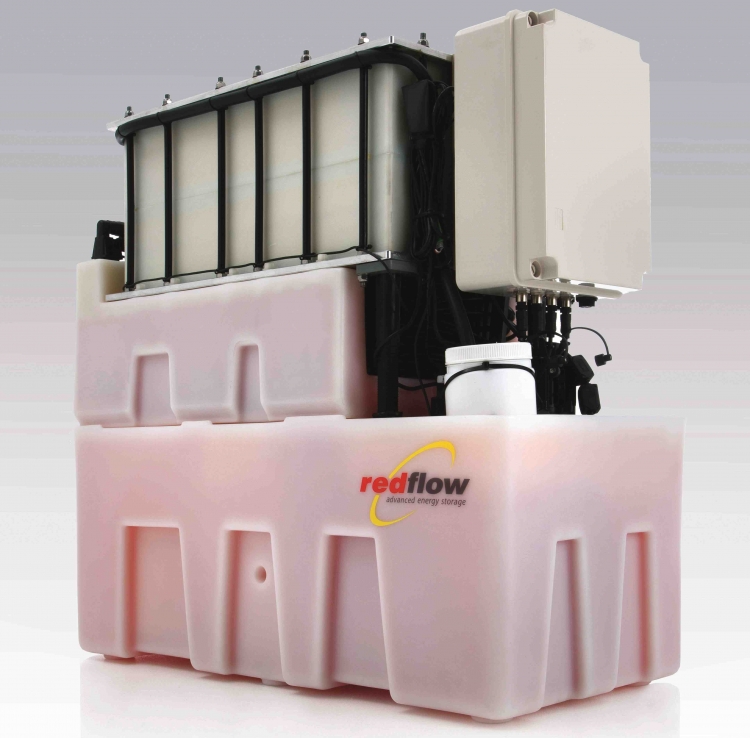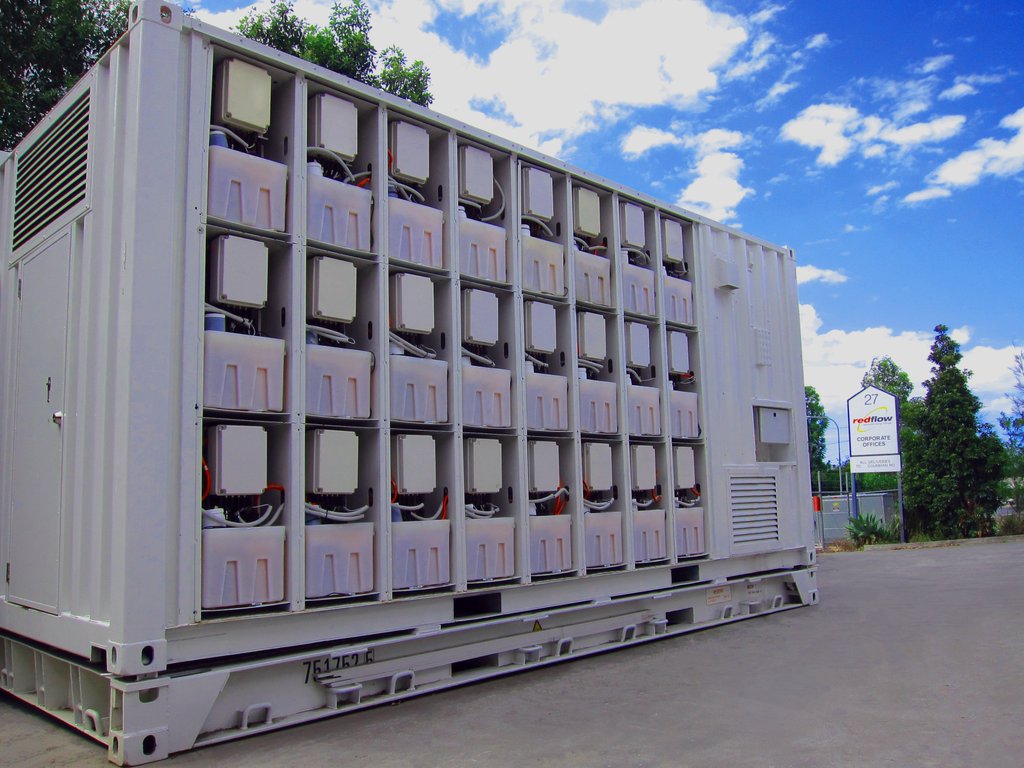
Australia-headquartered flow battery manufacturer Redflow’s zinc-bromine based devices have been picked by the New Zealand Rural Connectivity Group to help extend mobile coverage and internet connectivity to thousands of homes and businesses in remote areas.
New Zealand’s government created the RCG in 2017 as a critical infrastructure project aiming to extend mobile and wireless broadband coverage out to more than 34,000 rural homes and businesses, add 1,000km of mobile coverage to state highways and build 400 new cell sites in the process. The government is funding the RCG through a Telecommunications Development Levy, as well as a contribution of NZ$75 million (US$48.1 million) from New Zealand’s mobile network operators.
Redflow’s batteries will be paired with solar panels and backed up with a generator for the RCG sites. Redflow said that while its zinc-bromine batteries have been selected, commercial negotiations are now underway to “establish a direct relationship” for the purchase of batteries. The RCG project is aimed for completion by December 2022, while the first deployment of Redflow batteries looks likely to be installed by the end of this year, Redflow said.
“We have closely examined Redflow’s energy storage technology and believe it provides a compelling solution for RCG due to its deep cycling capability, its long life and its environmental benefits over competing technologies,” RCG head of procurement and commercial, Richard Spencer, said.
Try Premium for just $1
- Full premium access for the first month at only $1
- Converts to an annual rate after 30 days unless cancelled
- Cancel anytime during the trial period
Premium Benefits
- Expert industry analysis and interviews
- Digital access to PV Tech Power journal
- Exclusive event discounts
Or get the full Premium subscription right away
Or continue reading this article for free
Energy-Storage.news recently reported on Redflow’s second telecoms sector deal in South Africa, where telecoms towers are being repowered with the company’s ZBM2 battery units. Redflow pointed out in a press release that it has also executed an off-grid project for Vodafone New Zealand, while company managing director and CEO Tim Harris said Redflow and RCG have been working together for about six months to reach this point. The roll-out will include some grid-connected as well as off-grid areas.
The long-duration technology, rugged design and long expected lifetimes of the systems are touted as advantages for the company’s flow batteries in remote areas, enhancing reliability and requiring minimal maintenance, while also displacing or greatly reducing the runtime of diesel generators.