Work is underway on an energy storage project in South Australia that will use biogas to generate power to be stored in modules of molten silicon, from startup 1414 Degrees.
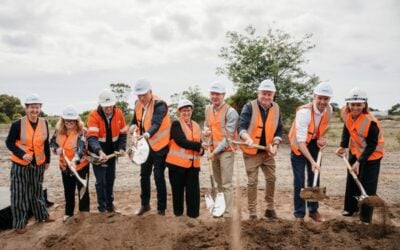
Co-funded by the South Australian state Renewable Technology Fund, and by the company, the GAS-TESS (thermal energy storage system) commercial pilot project is being installed at Glenelg Wastewater Treatment Plant.
The project came about in response to a 2017 request from state government-owned SA Water, which sought a biogas generation-inputted way of storing energy. Mobilisation of the GAS-TESS project has begun, 1414 Degrees said, with system components already on their way to the site.
Try Premium for just $1
- Full premium access for the first month at only $1
- Converts to an annual rate after 30 days unless cancelled
- Cancel anytime during the trial period
Premium Benefits
- Expert industry analysis and interviews
- Digital access to PV Tech Power journal
- Exclusive event discounts
Or get the full Premium subscription right away
Or continue reading this article for free
What it will do
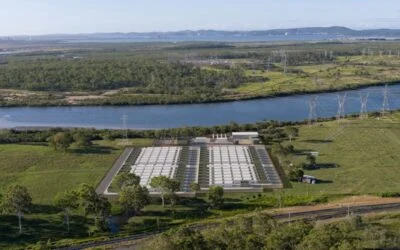
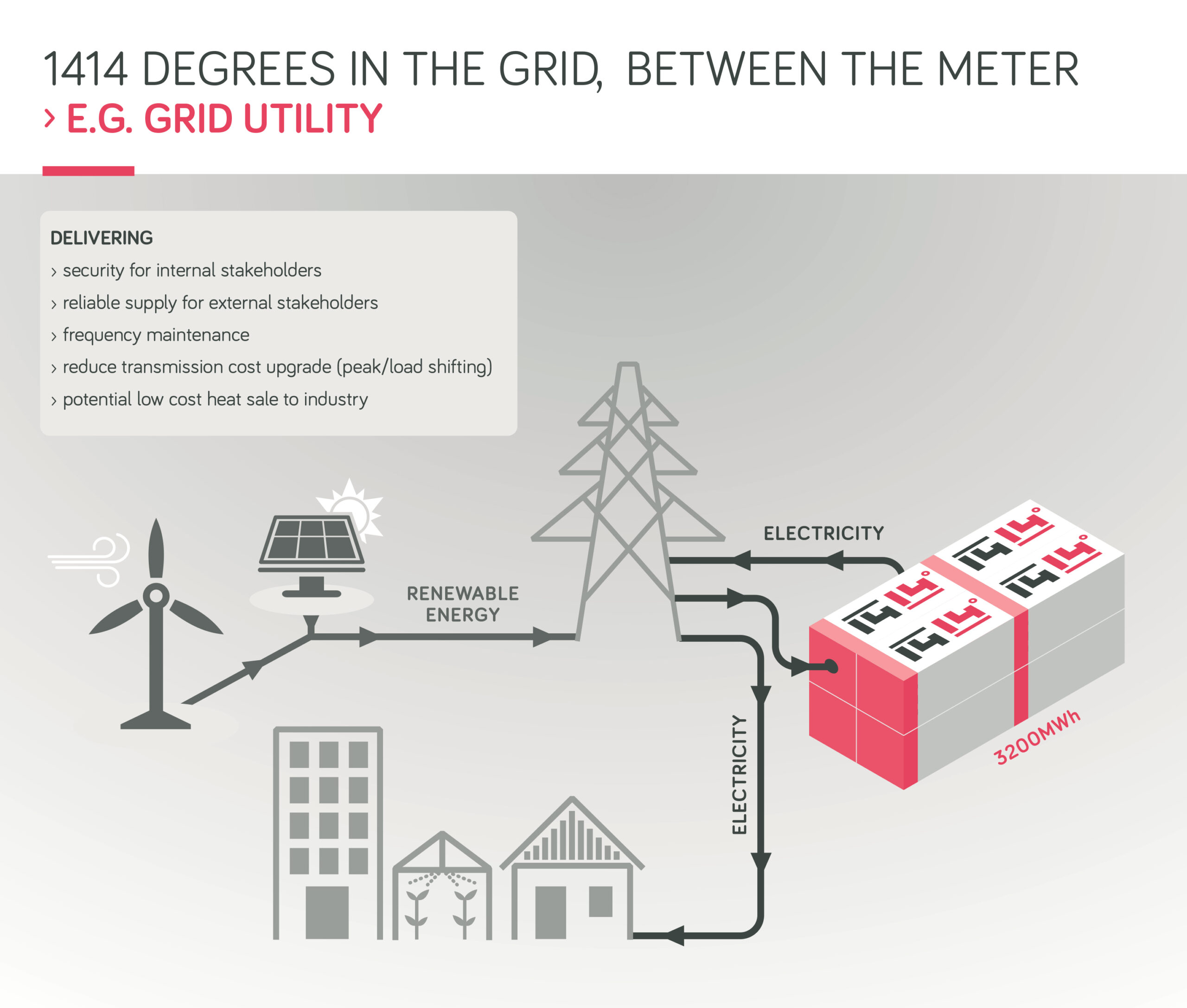
Biogas is creating during the wastewater treatment process. This is used to generate energy that can be stored in the molten silicon and then returned as both heat and as electricity. While the electricity can be used on the grid or to power onsite operations, the heat outputted by the system goes back into the wastewater treatment facility’s digestors to continue creating biogas. It is thought to be a 10MWh system according to earlier reports.
The company, named after the temperature at which the silicon stores energy, has built its own 10MWh demonstration module and is planning to build a scalable and replicable 200MWh ‘supermodule’ at a renewable energy facility. In May, Energy-Storage.news reported that 1414 Degrees was planning an IPO at AU$50 million (US$35.87 million) as it touted the possible advantages of its technology. The company then listed on the ASX in September, raising around AU$27 million.
“Embracing innovative, world-leading technology and ways of thinking, is essential to reducing our electricity costs and maintaining low and stable pricing for our customers. As well as realising the benefits of increased energy self-sufficiency, we can support South Australian innovation and, hopefully, lead a global charge to reduce the costs and environmental impacts of energy-intensive wastewater treatment operations,” SA Water chief executive Roch Cheroux said of the project.
“We expect to commission the GAS-TESS in March 2019 and provide immediate returns for SA Water, while at the same time building a foundation for the wider application of the 1414 Degrees technology at similar sites across the globe,” 1414 Degrees executive chairman Dr Kevin Moriarty said.