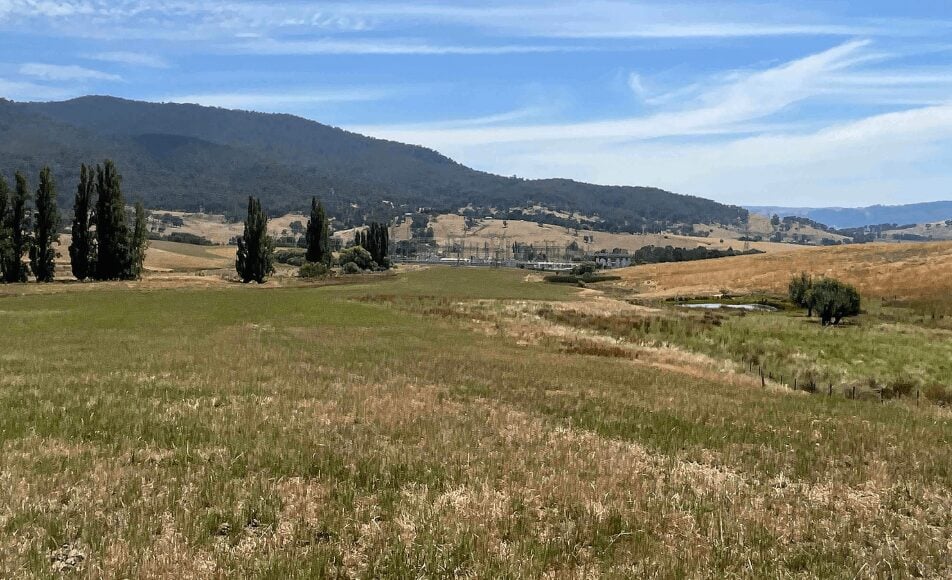
Mint Renewables has received planning approval for an 800MWh battery energy storage system (BESS) near Kojonup in Western Australia’s Great Southern region.
The Regional Development Assessment Panel (DAP) approved the development application for the Kojonup BESS.
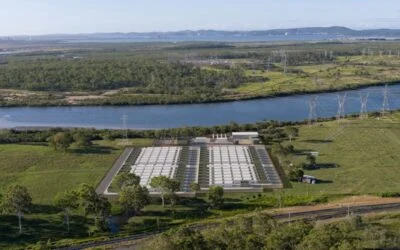
Application documents lodged with the shire in May describe a 100MW system with 8-hours of duration. The site is about 3km north-west of Kojonup town and about 241km south-east of Perth and covers roughly 34.5 hectares, of which about 8.1 hectares would be disturbed. Most of that is previously cleared agricultural land.
Mint Renewables is an Australian developer of solar, wind and storage projects. It is behind the 200MW/400MWh Dederang BESS in northeast Victoria, which the state government fast-tracked through its Development Facilitation Program in 2025 despite opposition from the local council. Planning documents put the cost of that project at about AU$280 million (US$196 million).
Try Premium for just $1
- Full premium access for the first month at only $1
- Converts to an annual rate after 30 days unless cancelled
- Cancel anytime during the trial period
Premium Benefits
- Expert industry analysis and interviews
- Digital access to PV Tech Power journal
- Exclusive event discounts
Or get the full Premium subscription right away
Or continue reading this article for free
In New South Wales, Mint has also referred a solar-plus-storage project to the federal Environment Protection and Biodiversity Conservation Act process. Magpie Hill pairs up to 375MW of solar with a 375MW/3,000MWh BESS near Tarago and Bungendore, with construction targeted for mid-2028.
The Kojonup site adjoins the existing Kojonup Substation. An on-site substation would step the voltage up from 33kV to 132kV, with 132kV underground cabling running to the existing substation.
Western Power, which owns and operates the network in the state’s south-west, is still engaging with Mint on the connection. The application describes the route as indicative until detailed design is complete.
Construction is expected to take about 55 weeks, starting in the fourth quarter of 2027 at the earliest, with commissioning around 2029. Both dates are subject to approvals and other dependencies, with the application also estimating up to 110 construction jobs, with an average workforce of about 37 and peaks of about 87.
Mint began community engagement in September 2025, including three drop-in sessions in October and a survey covering bushfire, water, traffic and benefit sharing.
The site is in a designated bushfire-prone area and the application includes a bushfire management plan and about 0.09 hectares of native vegetation may need clearing, subject to permits.
Duration sits above Western Australia’s capacity market threshold
The project would connect to the South West Interconnected System (SWIS), which is separate from the National Electricity Market (NEM) that serves Australia’s eastern states.
The SWIS is part of the Wholesale Electricity Market (WEM), which the Australian Energy Market Operator (AEMO) runs.
Battery energy storage in the WEM needs at least 6 hours of duration to earn payments under the market’s Reserve Capacity Mechanism, which pays for capacity that can be called on when demand peaks.
That requirement shaped Frontier Energy’s Waroona project south of Perth. Frontier expanded its battery energy storage system (BESS) from 80MW/4.75 hours to 81.5MW/562MWh, or 6.9 hours, after halting the project in 2024 without Reserve Capacity Credits from AEMO.
Mint did not say whether Kojonup has secured capacity credits or has a revenue contract and did not disclose a financing plan or the project’s cost.
Never miss an Australian energy storage story. Sign up for our Australia newsletter and get the latest project announcements, policy updates and market analysis delivered directly to you.