New Zealand state-owned energy company Meridian Energy has confirmed that its Waiinu Energy Park application has been referred by the Minister for Infrastructure for consideration under New Zealand’s Fast-track Approvals Act.
This marks the project’s entry into an accelerated consenting pathway that allows large-scale infrastructure to bypass standard resource consent processes.
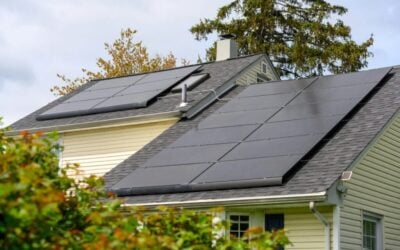
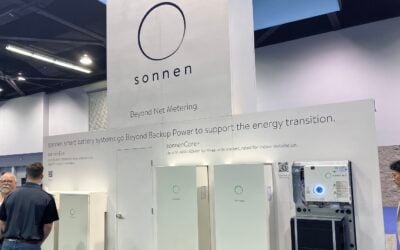
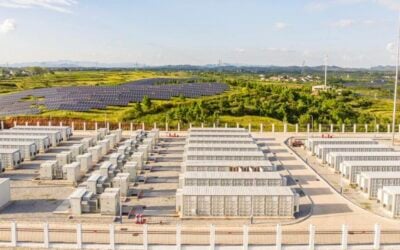
The Waiinu Energy Park, located northwest of Whanganui on the North Island’s west coast, proposes 56 wind turbines with a combined capacity of 392MW, a solar PV power plant with a capacity of 230MW, and a grid-scale battery energy storage system (BESS) with an undisclosed capacity.
The total generation capacity of 622MW would, according to Meridian, make the project one of the largest single renewable energy developments in New Zealand’s history. Meridian said the facility would generate approximately 1,600GWh of electricity per year.
Try Premium for just $1
- Full premium access for the first month at only $1
- Converts to an annual rate after 30 days unless cancelled
- Cancel anytime during the trial period
Premium Benefits
- Expert industry analysis and interviews
- Digital access to PV Tech Power journal
- Exclusive event discounts
Or get the full Premium subscription right away
Or continue reading this article for free
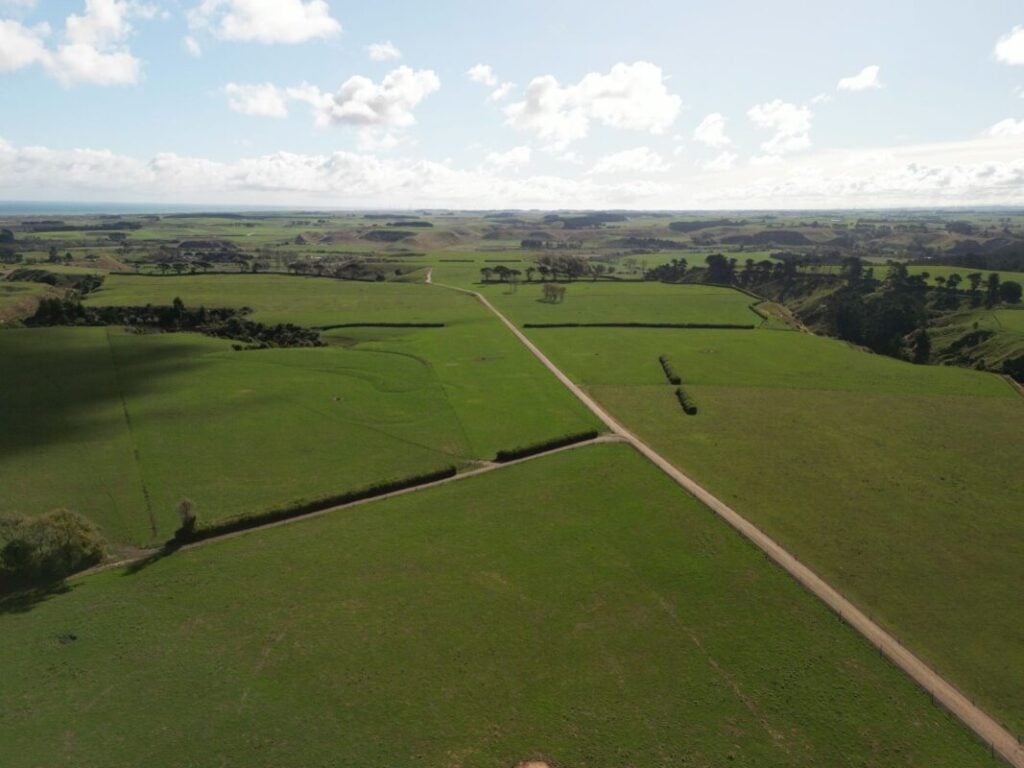
The main site sits on farmland between Waitōtara and Waiinu Beach, set back more than half a kilometre from the coastline, with a proposed grid connection site north of State Highway 3.
The site was selected for its strong, consistent wind resource and proximity to existing transmission infrastructure, with relatively flat terrain that reduces construction complexity.
Meridian chief executive Mike Roan said the referral reflects the preparation the company has undertaken ahead of its substantive consent application, which it plans to lodge in late 2026.
“Fast-track requires a lot of work to be done up front, so we’ve taken time to ensure the application is as detailed and well thought-out as possible, and that it picks up on feedback from iwi and hapū, and the local community,” Roan said.
He added that projects at this scale depend on the financial strength of vertically integrated electricity companies.
“Innovative, ambitious and large-scale developments like Waiinu are possible because of Meridian’s strong balance sheet. It’s through these sorts of investments that we’re delivering the new generation New Zealand needs to make power affordable,” Roan said.
Fast-track consenting in context
New Zealand’s Fast-track Approvals Act, which came into force in late 2024, is designed to reduce the time and cost of consenting large infrastructure projects by routing applications through an expert panel process rather than the standard Environment Court pathway.
Projects still undergo environmental assessment and public consultation processes, but within a structured, time-limited framework.
The fast-track referral does not represent project approval. Meridian must still submit its substantive application, which will then be assessed by an expert panel before any consent decision is made.
If consented, a detailed design process and board-level final investment decision would follow before construction could begin.
Meridian’s own project page indicates construction could commence in late 2028, with the project at peak expected to employ between 300 and 350 people on site, and potentially more than 3,000 people in total across the construction period.
A growing development pipeline
The Waiinu referral is the latest step in Meridian’s expanding programme of generation investment beyond its core hydro portfolio.
Meridian brought online New Zealand’s first grid-scale battery storage system at its Ruakākā site near Whangārei, a 100MW/200MWh system supplied by Saft using LFP chemistry, designed to provide fast-response frequency control services and support renewable energy integration on the national grid.
The Waiinu battery component would extend that capability to a substantially larger project on the North Island’s west coast.
Meridian has also been active on the policy side of New Zealand’s energy storage landscape. Meridian received a draft decision from a Fast-track Approvals Panel proposing to ease access restrictions on contingent hydro storage at Lake Pūkaki, covering the 545GWh band of water stored between 518 and 513 metres above sea level.
The Waiinu referral represents the longer-term supply-side investment alongside that near-term flexibility measure, adding new renewable energy generation capacity where the hydro storage strategy adds short-term dispatchability.