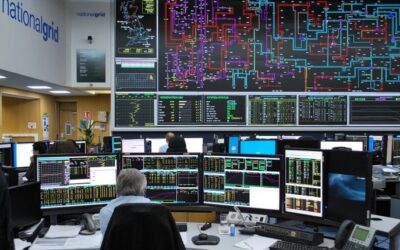
Energy storage and other flexibility providers with units as small as 1MW will soon be able to access ‘Great Britain’s core flexibility market’ under reforms being proposed by transmission system operator, National Grid.
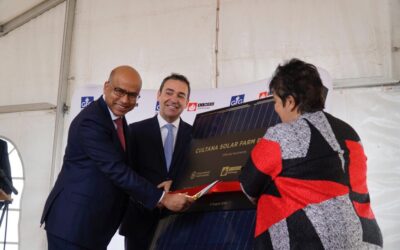
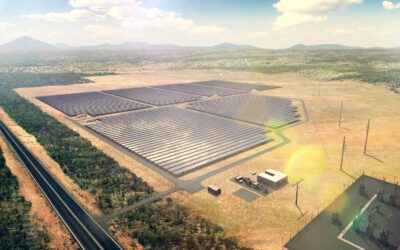
Amid the ongoing furore about the Federal Government’s proposed National Energy Guarantee (NEG), a 280MW solar PV project and a 52MWh battery project are both set to go ahead in South Australia, it has been announced today.
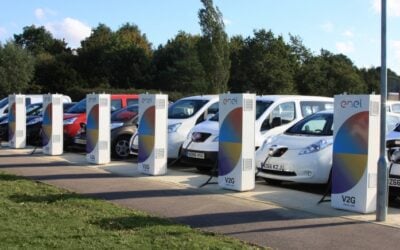
“There are already many Gigawatt-hours of batteries on wheels”, which could be used to provide balance and flexibility to electrical grids, if the “ultimate potential” of vehicle-to-grid (V2G) technology could be harnessed.
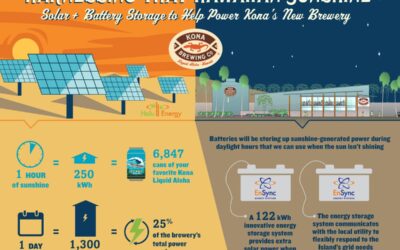
Following news yesterday of the first grid-scale solar-plus-storage system on the Hawaiian island of Molokai, two more modestly-sized projects show the potential diversity of applications for energy storage in the US state.
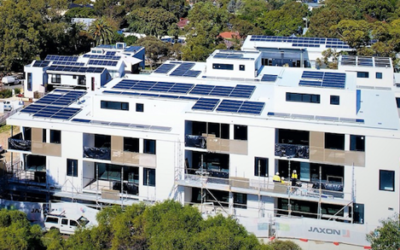
Cheap solar electricity will be traded between neighbouring residents in apartment blocks in Western Australia, enabling peer-to-peer trading of electricity in a project supported by the Australian Renewable Energy Agency (ARENA).
Automotive Energy Supply Corporation (AESC) and NEC Energy Devices, the Nissan Motor Co’s electric battery business jointly operated with NEC Corporation, and NEC Corporation’s own lithium-ion battery business respectively, have been sold to China’s Envision.
In response to Massachusetts Legislature passing a bill raising the state’s renewable energy standard and another encouraging clean energy and energy storage use during peak hours, solar and energy storage trade groups SEIA and ESA offered contrasting views.
Homeowners in Ireland can now access grants worth hundreds of euros to fund the installation of solar and energy storage systems as the government launches its first micro-generation scheme for the technology.
A planned commercial and industrial (C&I) energy storage project in England could increase onsite solar consumption to the point that no power will be drawn from the grid on some days of the year.