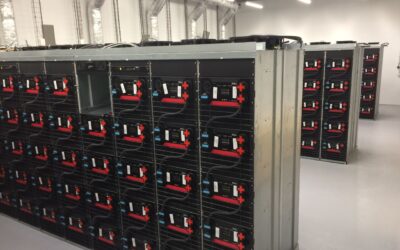
Blockchain technology is being touted as the next big step forward in the digitalisation of the energy system. But storage and storage management software are the critical pieces of the puzzle needed to maximise its potential, writes Carsten Reincke-Collon of Younicos.
The UK’s government must “take the brakes off” the progress of energy storage by implementing the right policy framework without delay, according to Members of Parliament (MPs) from across the political spectrum.
In part 2 of a technical paper first published in PV Tech Power Vol.13, Alex Eller of Navigant Research continues his look at how one of the most significant expenses for electric utilities, maintaining and upgrading transmission and distribution (T&D) networks, could be undercut using non-wires alternatives – including energy storage.
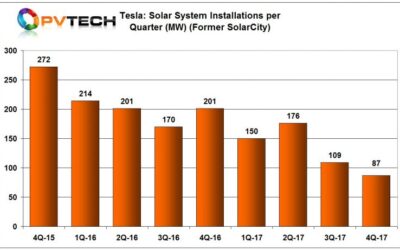
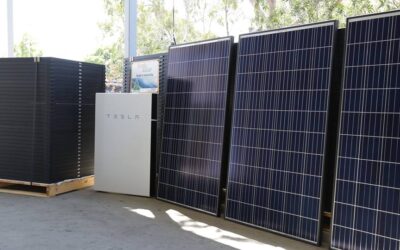
Tesla reported another major decline in its residential solar installations for the fourth quarter of 2017, while a supply shortage for its residential energy storage system ‘Powerwall 2’ has created a customer backlog of solar and storage installs of more than one year.
London-headquartered oil and gas company BP has announced plans to invest US$500 million (£358.5 million) in low carbon businesses each year as it looks to further embrace the low carbon transition.
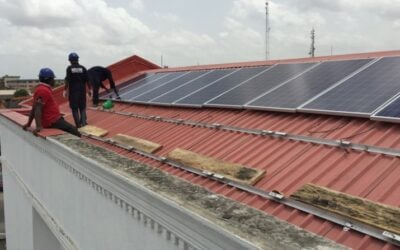
African Infrastructure Investment Managers (AIIM) has invested in Starsight Power Utility, a Nigeria-based energy services company providing solar-diesel-battery hybrid and efficient cooling and lighting solutions to its commercial and industrial clients.
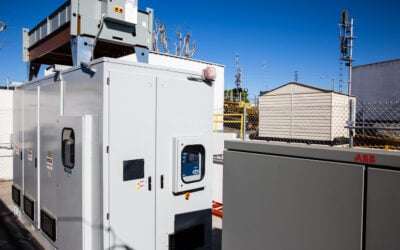
Energy storage in the state of South Australia has continued its prolific pace of development with the announcement of two new grid-scale projects and a sizeable commercial and industrial (C&I) installation.
Innovations in new distributed energy technologies are challenging conventional thinking around the most effective ways to serve electricity customers and utilise grid infrastructure. Alex Eller of Navigant Research looks at how one of the most significant expenses for electric utilities, maintaining and upgrading transmission and distribution (T&D) networks could be undercut using non-wires alternatives – including energy storage.