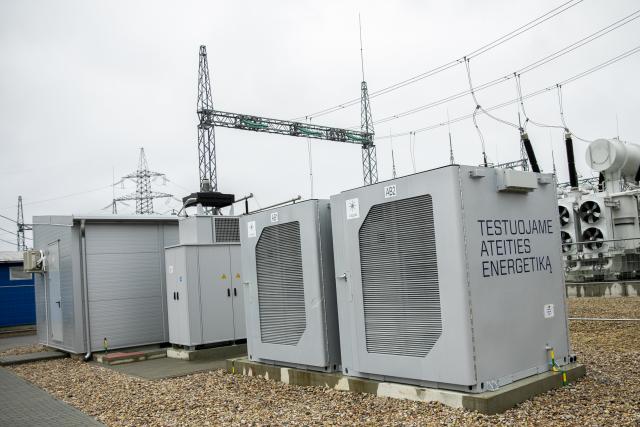
A battery energy storage system (BESS) pilot project has been commissioned in Lithuania, paving the way for a much bigger rollout of the technology scheduled to begin soon.
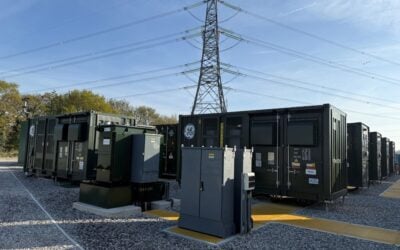
Described as the first project of its kind in both Lithuania and the wider Baltic States region, the 1MW / 1MWh BESS provided by Fluence is connected to the transmission network at a substation in the capital Vilnius.
It will be used to test the capabilities of the technology to help stabilise the electricity grid and — as Energy-Storage.news reported in detail in April as the project got underway — will act as a virtual transmission line asset for grid operator Litgrid.
The batteries can absorb power when there is congestion on the grid and put it back in when it’s most needed. Litgrid is also looking at how the proven ability of battery storage to support the grid with synthetic inertia, frequency regulation, voltage management and other services can be applied to its own networks.
Try Premium for just $1
- Full premium access for the first month at only $1
- Converts to an annual rate after 30 days unless cancelled
- Cancel anytime during the trial period
Premium Benefits
- Expert industry analysis and interviews
- Digital access to PV Tech Power journal
- Exclusive event discounts
Or get the full Premium subscription right away
Or continue reading this article for free
As noted in April, Lithuania’s electricity system is seeking closer synchronisation with European partners, moving from what Litgrid CEO Rokas Masiulis said is the “post-Soviet grid”, while the Baltic nation also imports a lot of its power from abroad. The country wants to ensure 70% of domestic power consumption is met from domestic sources by 2030, with just under half of that to come from renewable energy.
“Currently we have a unique situation in Lithuania – we are synchronising and preparing to take over the management of all parameters of the electricity system, active development of renewable resources is underway, ambitious battery projects are being prepared,” Masiulis said this week.
“All this constitutes the perfect medium to use battery energy storage systems not only as a means of storing and subsequently using surplus energy from renewable sources, but also to adapt them to ensure the reliable operation of the power transmission network. This is the purpose of this first project – Litgrid specialists will test the battery’s ability to perform different transmission network functions in real operating conditions of the Lithuanian electricity system.”
Pilot sets stage for 200MW / 200MWh rollout
Moving forward, four 50MW / 50MWh BESS projects with a combined rated output and capacity of 200MW / 200MWh are planned to be installed by October 2022, at substations in Vilnius, Alytus, Utena and Šiauliai. They will be deployed by Energy Cells, a subsidiary of energy transmission and exchange group EPSO-G Group, which is owned by the Lithuanian state and controlled by the ministry of energy.
Energy Cells was established in January this year to work on the 200MW portfolio. At the time, the company said the BESS will help enable Lithuania’s energy security and reliable operation of the grid. Their main function will be to act as primary reserve, offering instantaneous restoration of power.
As the integration with Europe’s power sector is underway, the systems will turn more towards helping enable higher shares of renewable energy. Experts from Kaunas University of Technology made a study to determine that the 200MW of batteries would have a significant impact on ensuring network reliability and would eliminate the need for nearly 300MW of new power generation capacity.
Republic of Lithuania energy minister Dainius Kreivys said that the 1MW system “will provide valuable knowledge in preparation for the implementation of the 200 MW battery system project, and will contribute to the stability of the electricity grid in preparation for synchronisation”.
“The Lithuanian electricity system is on the path of transformation, and the assimilation of new technologies is one of the key conditions for a successful transformation,” the minister said.