Japanese petroleum firm Idemitsu has invested in a vanadium mining, processing and electrolyte production project in Australia, while two other major upstream projects have progressed.
Through subsidiary Idemitsu Debella Pty Ltd, the Tokyo-based company has ‘become a major investor’ in Vecco Group, which is developing the Debella Critical Minerals Project in the Queensland North West Minerals Province.
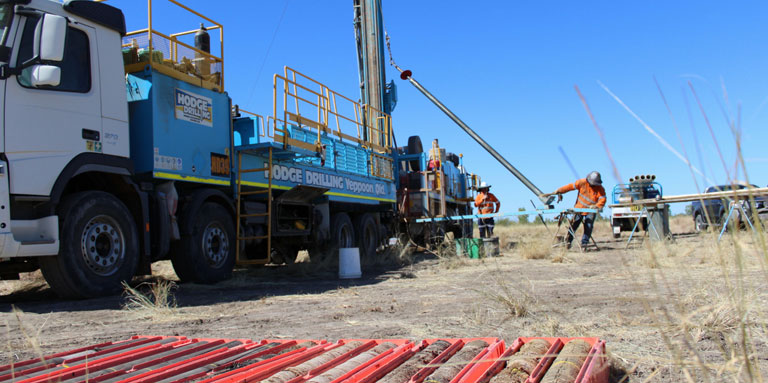
The Debella Project will establish a critical minerals mine producing vanadium, rare earth elements and alumina, as well as the first commercial-scale electrolyte manufacturing plant in Australia which will be fed by the mine.
Idemitsu said the plant is targeting production in 2024 while Vecco says ‘initial production’ will begin in 2023. It will produce a vanadium pentoxide product along with battery electrolyte for vanadium flow battery manufacturers. Stage One will see an electrolyte production capacity of 35MWh annually rising to more than 350MWh per annum in Stage Two.
Try Premium for just $1
- Full premium access for the first month at only $1
- Converts to an annual rate after 30 days unless cancelled
- Cancel anytime during the trial period
Premium Benefits
- Expert industry analysis and interviews
- Digital access to PV Tech Power journal
- Exclusive event discounts
Or get the full Premium subscription right away
Or continue reading this article for free
Idemitsu Australia CEO Steve Kovac said: “As global demand for critical minerals and rare earths grows we will continue to invest in opportunities with a focus on battery related minerals including lithium, vanadium and cobalt. Idemitsu’s investment in Vecco Group is another exciting move for the company.”
It is Idemitsu’s second investment in the non-lithium battery technology in the space of a month. In September, it acquired 32.22% of the IPO shares of Critical Minerals Group Limited (CMG), which owns the Lindfield Project, a vanadium mining area in the same region of Queensland.
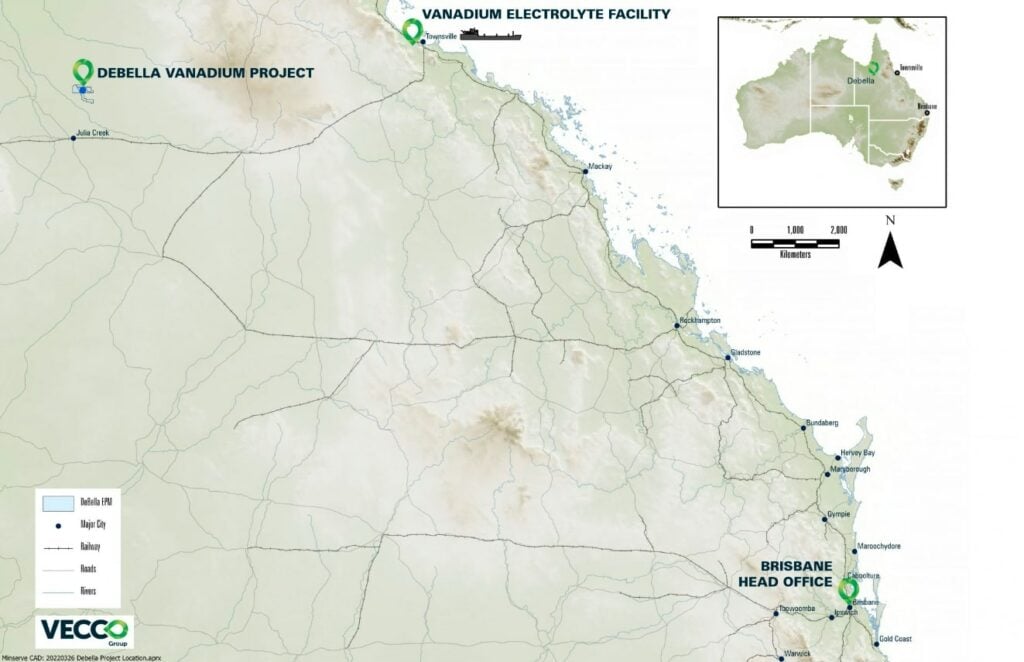
See a map of the Debella project sites below. Idemitsu’s focus in Australia has to-date mainly been on coal but it recently announced plans to expand into critical battery minerals, including lithium.
Other vanadium projects progress
Australia’s vanadium mining and electrolyte production sector has had a busy few weeks.
Alongside Idemitsu’s deals, Richmond Vanadium Technology announced last week (24 October) that its IPO to raise up to AU$35 million (US$22.4 million) had opened. The company is offering 62.5-87.5 million shares at AU$0.40 each until 7 November, and aims to list on the ASX under the code RVT at the end of November.
The funds of the IPO will primarily be used to deliver the Bankable Feasibility Study for the Richmond Vanadium Project, which Energy-Storage.news has previously reported on.
On the same day, another Australia-based company, Neometals Ltd, announced it had received an Environmental Permit for its Vanadium Recovery Project in Pori, on the southwest coast of Finland.
The Regional State Administrative Agency for Southern Finland granted the Permit for the construction and operation of the plant, which will supply vanadium pentoxide in the European market.
The facility will use ‘slag’ from local steel producer SSAB to recover the metal and is expected to start production in 2024. Bank Aventum Partners will now lead the debt raising process.
Around 70% of the today’s supply of vanadium metal comes recovery projects while three primary producers of the chemical share another 20% of the market: Largo Resources, Bushveld Minerals and Glencore.
Energy-Storage.news recently interviewed one of the leading vanadium redox flow battery companies in the world, Invinity Energy Systems. One major issue for companies like Invinity and Austria-based CellCube, two of the most long-running companies in the space, is a small supply chain.
Upstream developments like these will increasingly allow them to develop large-scale energy storage systems to compete with lithium-ion and ultimately test whether their technology can live up to its promises at scale.